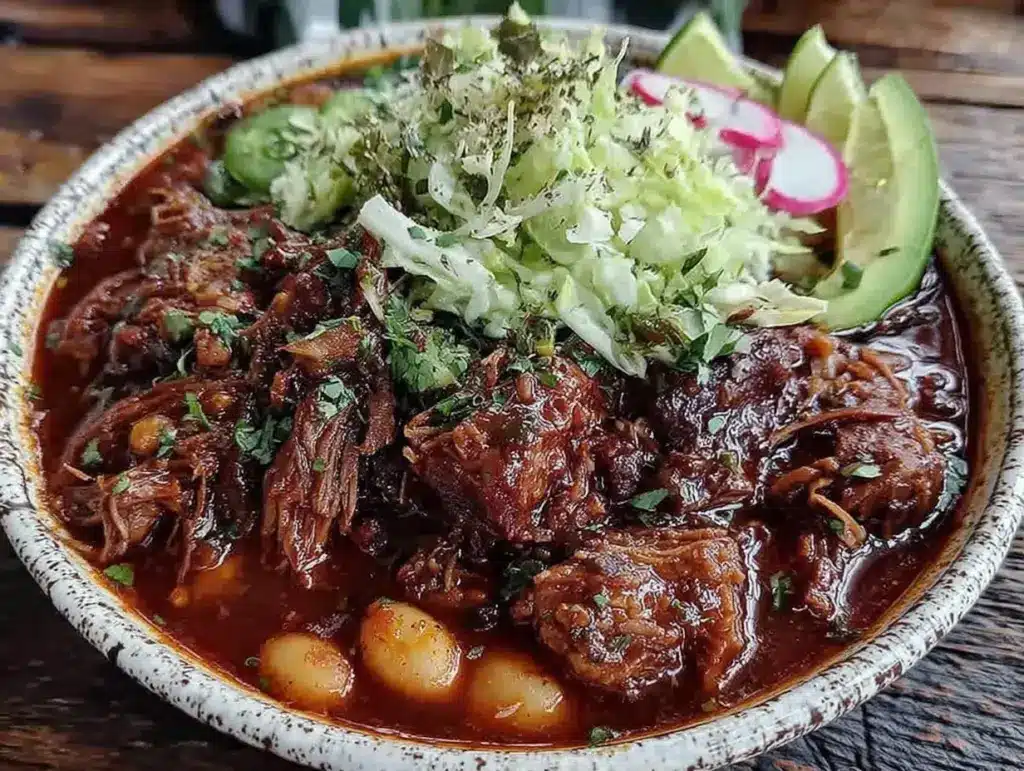
It’s 9:30 PM on a Friday, and my kitchen is a disaster zone of onion skins, garlic peels, and a large stockpot that smells like heaven. My husband walks in, sees the red stains on my apron, and asks, “Are you making the big batch?” I nod, wiping sweat from my forehead with the back of my wrist. We’re preparing for my family’s annual September gathering—a mix of cousins, neighbors, and friends who’ve become like family over the years. The theme? Mexican Independence Day. Or, as we call it, “El Grito.”
For years, I tried to play it safe. I’d make a quick taco bar or order from the best local spot. But there’s something about Mexican Independence Day Pozole Rojo that changes the energy of a room. It’s not just dinner; it’s a ritual. It’s the sound of the pot bubbling on the stove for hours, the vibrant red broth that stains your fingers (in the best way), and the communal act of building your own bowl at the table. When you serve this, you aren’t just feeding people. You’re welcoming them into your home in the most traditional, heartfelt way possible.
I’ve made this Mexican Independence Day Pozole Rojo at least a dozen times, tweaking the chili blend and the simmering times until it hit that perfect balance of smoky, spicy, and deeply savory. It’s a recipe that demands patience but rewards you with the most comforting, crowd-pleasing meal you’ll ever make. If you’re looking to impress your guests with something that tastes like it came from a generations-old kitchen, this is it. It’s rich, it’s hearty, and it’s absolutely worth the effort.
Why You’ll Love This Recipe
There are about ten reasons I keep coming back to this Mexican Independence Day Pozole Rojo, but let’s be real—it’s not just because it tastes good. It’s about the experience. Here’s why this dish has earned a permanent spot in my rotation, especially when I need to feed a crowd.
It’s a Flavor Bomb — Seriously, the depth of flavor here is unreal. We’re talking dried guajillo and ancho chilies, toasted spices, and slow-simmered pork that falls apart at the touch of a fork. It’s complex and bold, but in a warm, comforting way. My friends who usually stick to lighter meals always ask for seconds of this.
It’s the Ultimate Crowd-Pleaser — I’ve served this to picky eaters, spice-lovers, and everyone in between. The beauty of pozole is the topping bar. Everyone builds their bowl exactly how they like it. I’ve seen shy cousins come alive when they’re busy chopping radishes and squeezing lime. It breaks the ice.
It Makes Your House Smell Incredible — I’m not kidding. For hours, my kitchen smells like a high-end Mexican restaurant. My neighbors have actually knocked on my door asking what I’m cooking. It’s a mood-lifter, especially in the fall when you want that cozy, hearty vibe. It’s similar to the warmth you get from a creamy wild rice and mushroom casserole, but with a much more vibrant, spicy kick.
It’s Make-Ahead Friendly — This recipe actually tastes better the next day. The flavors meld together overnight. I often make it the day before the party, reheat it gently, and add the fresh toppings right before serving. It takes the stress out of hosting.
It’s deeply Traditional yet Approachable — You don’t need to be a professional chef to make this. You just need good ingredients and time. It feels special, like a celebration in a bowl, but the steps are straightforward. It’s the perfect balance of impressive and doable.
This is my go-to when I want to bring people together. It’s messy, it’s loud, it’s delicious, and it’s unforgettable. If you want to create a memory around your dinner table, start here.
Ingredients You’ll Need
Here’s the thing about pozole: the quality of your ingredients matters more than anything else. You don’t need fancy gadgets, but you do need good chilies and tender meat. I’m particular about a few things here, and I’ll tell you exactly why.
Dried Guajillo Chilies (10-12 pods) — These are the backbone of the red color and the bright, tangy heat. They’re mild but flavorful. Look for ones that are pliable and bright red, not dark or brittle. If they’re too old, they’ll taste dusty.
Dried Ancho Chilies (6-8 pods) — These add that deep, raisin-like sweetness and smokiness. They balance the heat from the guajillos. I always buy these in bulk and keep them in my pantry. They’re essential for that authentic red hue.
Pork Shoulder (3-4 pounds) — Bone-in, skin-on is best. The collagen breaks down during the long simmer, making the meat incredibly tender and adding richness to the broth. I prefer pork shoulder over loin because it stays juicy. Cut it into large 2-inch chunks.
Hominy (2 large cans, 24oz each) — This is non-negotiable. Hominy is nixtamalized corn, and it’s the soul of pozole. Look for white hominy for a classic look, but yellow works too. Drain and rinse them thoroughly to remove that tinny taste. If you can find fresh hominy, even better, but canned is convenient and delicious.
White Onion (1 large, halved) — We use this for the broth, not for eating. It infuses the liquid with sweetness. Don’t skip this step. It adds a layer of depth you won’t get from diced onions.
Garlic (8-10 cloves, peeled) — Yes, that many. Don’t be shy. Fresh garlic is crucial. Jarred garlic just doesn’t have the same punch. I usually peel a whole head and freeze the extras for next time.
Bay Leaves (3 leaves) — Simple, aromatic, and classic. They add a subtle herbal note that ties everything together.
Mexican Oregano (1 tablespoon) — Not Mediterranean oregano. Mexican oregano is more citrusy and earthy. It’s a key flavor profile in this dish. If you can’t find it, regular oregano works, but it won’t be quite the same.
Cumin (1 teaspoon) — Just a touch. It adds warmth without overpowering the chilies.
Salt (to taste) — Start with 1 tablespoon, then adjust at the end. The broth will reduce, so you’ll need to taste carefully.
For the Topping Bar (The Fun Part):
- Radishes, thinly sliced — For crunch and freshness.
- White Onion, finely diced — For sharpness.
- Shredded Cabbage — Adds texture and cools down the spice.
- Lime Wedges — Essential for brightness.
- Cilantro, chopped — Fresh herbal note.
- Oregano (dried) — For sprinkling on top.
- Avocado, sliced — Creamy richness.
- Tostadas or tortilla chips — For crunch.
I also like to have some grilled corn salad with cotija and lime on the side if I want extra Mexican flair, but the toppings in the bowl are usually enough.
Equipment Needed
You don’t need fancy equipment for this. Here’s what I actually use. It’s pretty standard stuff, so you probably have most of it.
Large Stockpot or Dutch Oven — I use a 7-quart pot. You need space for the pork, the hominy, and the liquid. A heavy-bottomed pot helps with even simmering. My old Le Creuset is perfect for this.
Blender — High-speed is nice, but any blender works. You’ll be pureeing the soaked chilies into a smooth paste. Let the blender cool down between batches if you’re doing a lot.
Strainer or Sieve — Optional, but I like to strain the chili paste before adding it to the pot to remove any tough skin bits. It makes the broth smoother.
Slotted Spoon — For removing the pork from the broth after cooking. Makes it easier to shred or chunk it.
Sharp Knife and Cutting Board — For chopping onions, garlic, and prepping toppings.
Measuring Spoons — Standard stuff. Dollar store versions work fine.
Bowls — For serving. I like wide, shallow bowls so people can see all the toppings.
I’m obsessed with my soft garlic knots with parmesan for a side, but honestly, you don’t need much else. The pozole is the star. Just make sure your pot is big enough!
How to Make It: Step-by-Step
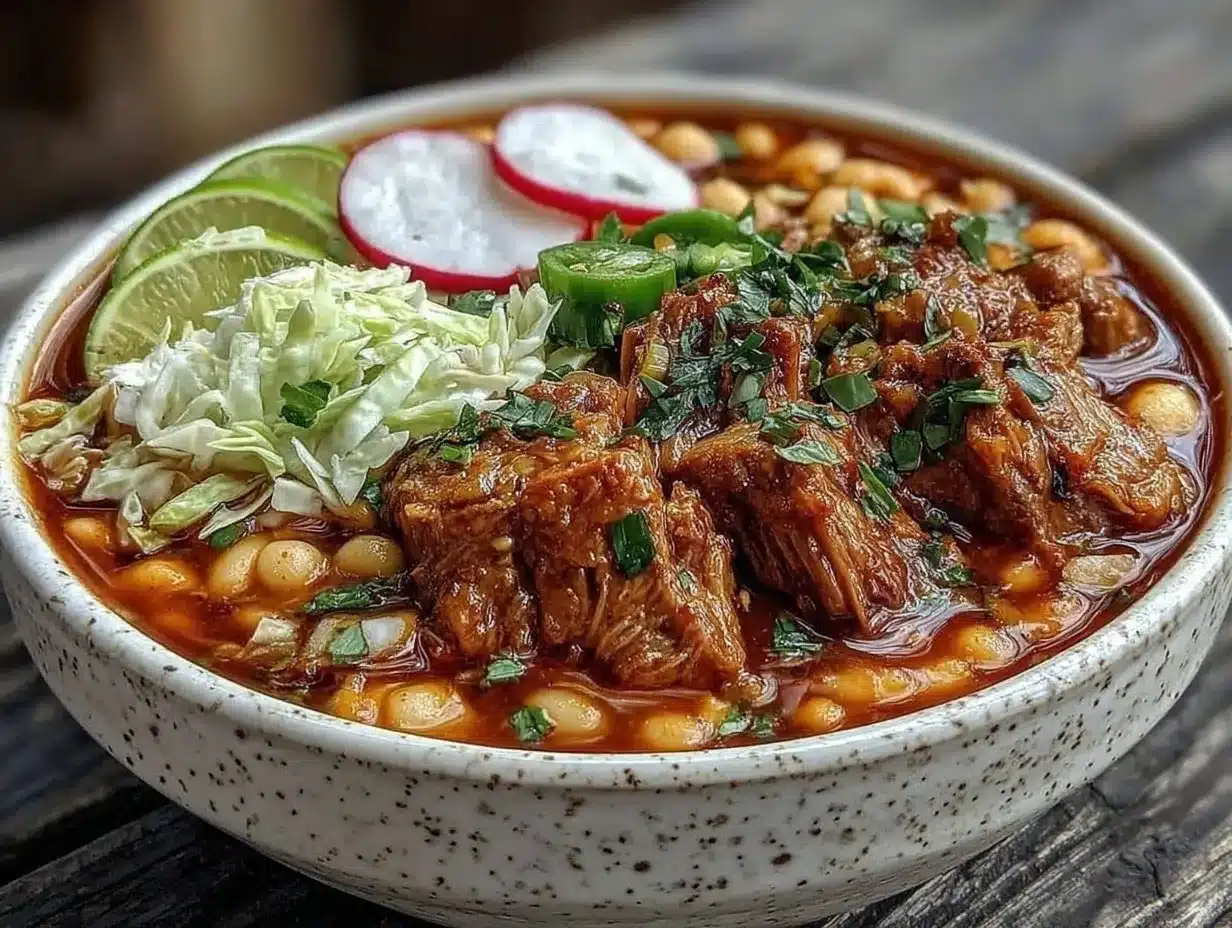
Alright, let’s make this! I’m walking you through exactly how I do it, including the little tricks I’ve picked up over the years. It’s a five-step process, but it’s mostly hands-off simmering.
Step 1: Prep the Chilies
Remove the stems and seeds from the guajillo and ancho chilies. This is important—seeds can make the broth bitter. Toss the chilies into a large bowl and cover them with boiling water. Let them soak for 15-20 minutes until they’re soft and pliable. This rehydrates them and makes them easy to blend. While they soak, you can start prepping your pork.
Step 2: Sear the Pork
Pat the pork chunks dry and season them generously with salt. Heat a little oil in your large stockpot over medium-high heat. Sear the pork in batches until it’s browned on all sides. Don’t crowd the pan! This step adds a deep, savory flavor (the Maillard reaction) that you can’t get from just boiling. Remove the pork and set it aside.
Step 3: Make the Chili Paste
Drain the soaked chilies, reserving a cup of the soaking liquid. Toss the chilies into your blender along with the bay leaves, garlic cloves, cumin, and Mexican oregano. Add enough of the reserved soaking liquid to help the blades move. Blend until completely smooth. If your blender is struggling, add a little more water. The paste should be bright red and silky.
Step 4: Simmer the Broth
In the same pot, add a little more oil if needed. Pour in the chili paste and cook it over medium heat for 2-3 minutes, stirring constantly. This “fries” the paste slightly and deepens the flavor. Add the seared pork, the halved onion, and 6-8 cups of water (or enough to cover everything). Bring to a boil, then reduce to a low simmer. Cover and cook for 1.5 hours. The pork should be tender but not falling apart yet.
Step 5: Add Hominy and Finish
Add the drained hominy to the pot. Continue simmering, uncovered, for another 1-2 hours, or until the pork is fall-apart tender and the hominy has swollen and opened up. Taste the broth. Add salt as needed. If it’s too thin, simmer longer. If it’s too thick, add more water. The consistency should be brothy but hearty. Remove the bay leaves and the onion halves. Serve hot with all the toppings!
Total Time: About 3-4 hours (mostly simmering).
Expert Tips & Tricks
Here’s everything I’ve learned from making this dozens of times. These tips will save you from my mistakes.
Don’t Skimp on the Searing
I know it’s tempting to skip the sear and just boil the pork. Don’t. That browned crust adds a layer of complexity that makes the broth taste rich instead of watery. It’s worth the extra 10 minutes.
Toast the Chili Paste
Cooking the pureed chilies in oil for a few minutes before adding water is a game-changer. It removes the raw, metallic taste of dried chilies and brings out their fruity notes. I learned this from my abuela, and I swear by it.
Use Low-Sodium Broth if You Want
I usually just use water, but if you want extra depth, swap half the water for chicken broth. Just be careful with salt since broth is salty. I stick to water so I can control the sodium perfectly.
Let It Rest
If you can wait, let the pozole sit for an hour after cooking before serving. The flavors meld together, and the broth thickens slightly. It tastes even better the next day, so don’t be afraid to make it ahead.
Blind Spot Check
Sometimes a few tiny pieces of chili skin slip through the blender. Straining the paste through a fine-mesh sieve ensures a silky smooth broth. It’s a small step that makes a big difference in texture.
Spice Control
Guajillos are mild, but anchos can vary. If you want more heat, add a chopped chipotle pepper in adobo sauce when you blend the chilies. It adds a smoky kick that’s incredible.
Variations & Substitutions
Once you’ve nailed the basic version, here’s how you can mix it up. I’ve tried all of these.
Pozole Verde
Swap the red chilies for a sauce made from tomatillos, serrano peppers, cilantro, and white onion. It’s bright, green, and tangy. A totally different vibe, but just as delicious.
Pozole Blanco
Skip the chilies entirely. Just simmer the pork with garlic, onion, and bay leaves. Serve with a side of crema and cheese. Simple and elegant.
Chicken Pozole
Use chicken thighs instead of pork. Cook time is shorter—about 45 minutes for the chicken, then add hominy and simmer for 30 more. Lighter but still satisfying.
Vegetarian Version
Swap pork for mushrooms (king oyster mushrooms shred like pork) and use vegetable broth. Add extra hominy and corn for heartiness. It’s surprisingly filling.
Gluten-Free
This recipe is naturally gluten-free! Just double-check your chili powder or oregano labels to ensure no cross-contamination. Most dried chilies are safe.
I also love pairing this with cheesy jalapeno cornbread muffins for a complete feast. The corn complements the hominy beautifully.
Serving & Storage
How to Serve:
Set up a “Pozole Bar” on the counter. Put out bowls of shredded cabbage, sliced radishes, diced onion, lime wedges, cilantro, avocado, and tostadas. Let everyone build their own bowl. It’s interactive and fun. Serve with extra lime wedges and hot sauce on the side.
Storage:
Store leftovers in an airtight container in the fridge for up to 4 days. The hominy will absorb more liquid, so the broth will be thicker. That’s normal.
Reheating:
Reheat gently on the stovetop over medium-low heat. Add a splash of water or broth to loosen it up if it’s too thick. Stir frequently to prevent sticking. Microwave works too, but add a splash of water and cover loosely.
Freezing:
You can freeze pozole, but the hominy might get mushy upon thawing. If you plan to freeze it, consider freezing the broth and pork separately from the hominy. Add fresh hominy when you reheat.
I usually make a big batch because leftovers are just as good as fresh. It’s perfect for a cozy night in after the party ends.
Nutrition Information
I’m not a nutritionist, but here’s the breakdown if you’re tracking. Per serving (based on 8 servings):
| Nutrient | Amount |
|---|---|
| Calories | 380 |
| Protein | 25g |
| Carbs | 45g |
| Fiber | 12g |
| Fat | 12g |
| Sodium | 450mg |
It’s hearty and filling, thanks to the protein and fiber from the hominy. The fat comes from the pork, so if you’re watching calories, you can skim the top or use leaner cuts. But honestly? It’s comfort food. Enjoy it.
Final Thoughts
So that’s my go-to Mexican Independence Day Pozole Rojo! I’ve probably talked your ear off at this point, but when you make a recipe this often, you have a lot to say about it. This dish has saved my holidays more times than I can count. It’s my answer to “what’s for dinner” when I want to impress without stressing. My family is happy, my guests are happy, and I’m happy because I get to share a piece of my culture with them.
Make it yours! Try different toppings, adjust the spice, or swap the meat. The best recipes are the ones you adapt to your family’s tastes. If you make this, drop a comment and let me know what you think! I love hearing how recipes turn out in your kitchen. And if something doesn’t work, tell me that too—I’m here to help troubleshoot.
Happy cooking! And I hope your kitchen smells half as good as mine does right now.
Frequently Asked Questions
Can I use canned pork instead of pork shoulder?
You can, but the texture won’t be the same. Canned pork is already cooked and tender, so you won’t get that rich, collagen-infused broth. If you’re short on time, use canned pork but simmer the chili broth with the onion and garlic for 30 minutes first to build flavor. Add the pork at the very end just to heat it through.
Why is my pozole too spicy?
If it’s too hot, you can balance it by adding a bit of sweetness or acidity. Try stirring in a tablespoon of sugar or a splash of lime juice. Serving it with plenty of cabbage and avocado also helps cool down the heat. Next time, use fewer guajillo chilies or remove more seeds from the anchos.
Can I make this in a slow cooker?
Yes! Sear the pork and make the chili paste as directed. Then transfer everything to the slow cooker. Cook on low for 6-8 hours. Add the hominy in the last 2 hours so it doesn’t get too mushy. It’s a great hands-off option.
What’s the best hot sauce for pozole?
I love a simple chili sauce made from rehydrated chilies blended with vinegar and salt. But store-bought options like Cholula or Tapatío work well too. Some people prefer a creamy chipotle sauce. Experiment to find your favorite!
Can I freeze the chili paste?
Absolutely. Blend the chilies, garlic, and spices, then freeze the paste in ice cube trays. When you need it, just pop a few cubes into the pot. It saves so much time on weeknights.
Pin This Recipe!
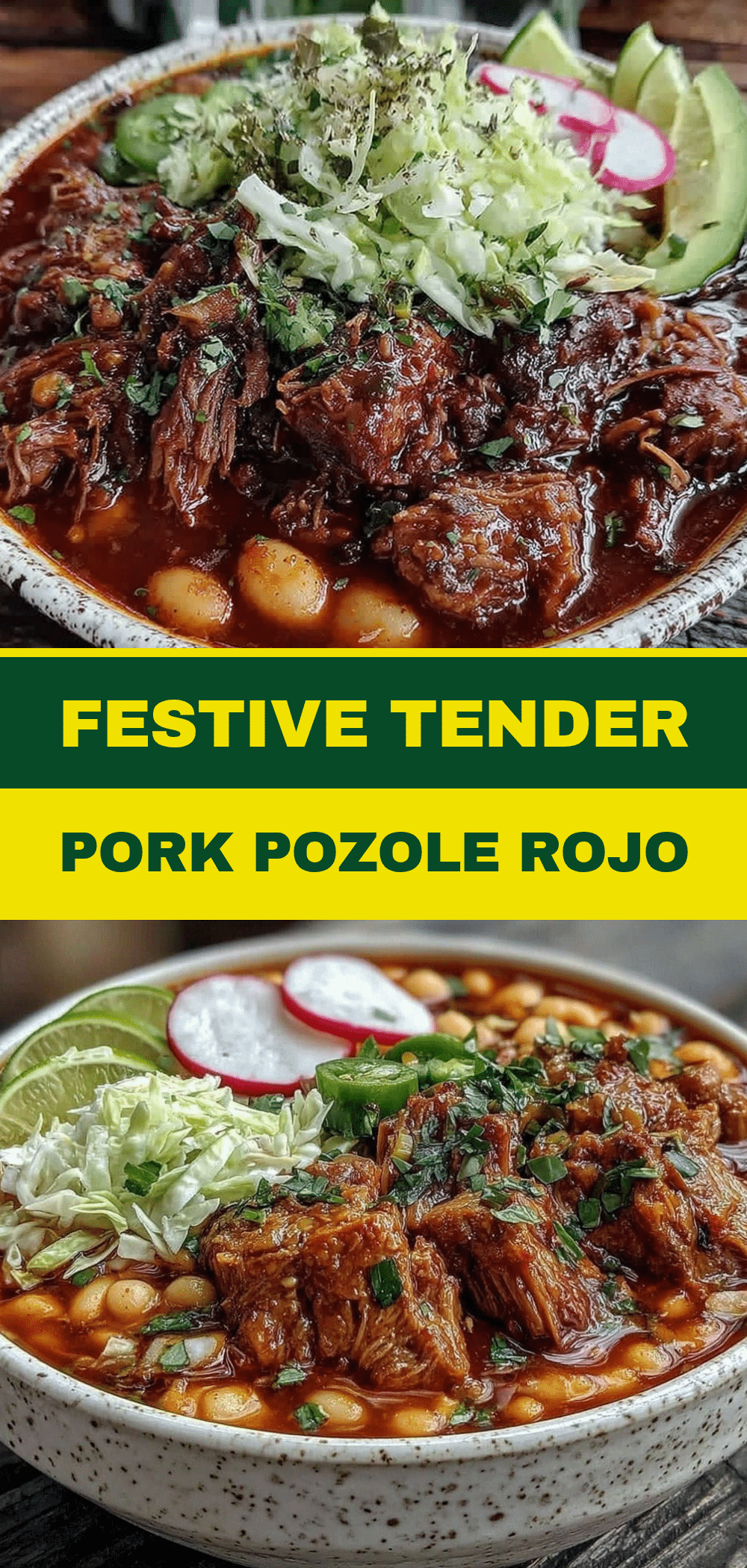

Mexican Independence Day Pozole Rojo
- Total Time: 3 hours 30 minutes
- Yield: 8 servings 1x
Description
A traditional, hearty red pozole made with slow-simmered pork shoulder, dried guajillo and ancho chilies, and hominy. This crowd-pleasing dish is perfect for celebrations and features a customizable topping bar.
Ingredients
- 10–12 dried guajillo chilies
- 6–8 dried ancho chilies
- 3–4 pounds pork shoulder (bone-in, skin-on), cut into 2-inch chunks
- 2 large cans (24oz each) white hominy, drained and rinsed
- 1 large white onion, halved
- 8–10 cloves garlic, peeled
- 3 bay leaves
- 1 tablespoon Mexican oregano
- 1 teaspoon cumin
- Salt to taste
- Oil for searing
- Toppings: Radishes (thinly sliced), white onion (finely diced), shredded cabbage, lime wedges, cilantro (chopped), dried oregano, avocado (sliced), tostadas or tortilla chips
Instructions
- Remove stems and seeds from the guajillo and ancho chilies. Soak them in boiling water for 15-20 minutes until soft.
- Pat pork chunks dry and season with salt. Sear in batches in a large stockpot with oil over medium-high heat until browned. Remove and set aside.
- Drain chilies, reserving 1 cup of soaking liquid. Blend chilies with bay leaves, garlic, cumin, Mexican oregano, and reserved liquid until smooth.
- In the same pot, cook the chili paste in oil for 2-3 minutes. Add seared pork, halved onion, and 6-8 cups of water. Bring to a boil, then reduce to a low simmer. Cover and cook for 1.5 hours.
- Add hominy to the pot. Simmer uncovered for another 1-2 hours until pork is fall-apart tender and hominy is swollen. Remove bay leaves and onion halves. Season with salt to taste and serve with toppings.
Notes
The recipe tastes better the next day as flavors meld. If freezing, freeze broth and pork separately from hominy to prevent mushiness. For spice control, add chipotle peppers in adobo sauce. Ensure chilies are rehydrated properly for smooth blending.
- Prep Time: 30 minutes
- Cook Time: 3 hours
- Category: Main Course
- Cuisine: Mexican
Nutrition
- Serving Size: 1 bowl with toppings
- Calories: 380
- Sugar: 2
- Sodium: 450
- Fat: 12
- Saturated Fat: 3
- Carbohydrates: 45
- Fiber: 12
- Protein: 25
Keywords: pozole rojo, mexican independence day, pork pozole, hominy soup, traditional mexican recipe, dinner party food, slow cooker pozole