My grandfather used to say that Mexican Independence Day wasn’t just a holiday; it was a three-day long party that started with the smell of woodsmoke and ended with too much wine. Growing up, Chiles en Nogada was the crown jewel of that celebration. You’d find it sitting on the center of the table, a vibrant flag of green, white, and red, looking so intricate and intimidating that I was afraid to touch it. For years, I thought this dish was reserved for professional chefs in white coats and fancy restaurants. I was wrong. So wrong.
Here’s the thing: I’ve spent the last decade living my life outdoors. My kitchen is a Weber kettle, a pellet smoker, and occasionally a campfire ring when we’re camping. And last year, I decided to stop waiting for a fancy restaurant to make me feel patriotic and festive. I brought the chiles en nogada to my grill. It took me two tries to get the puffy, blistered peppers just right, but the third time? It was magic. The smoky char from the grill interacts with the sweet, walnut-rich nogada sauce in a way that feels completely new, yet deeply traditional.
This isn’t just about cooking; it’s about the experience. It’s about standing in the backyard, the smoke curling around you, while you grill poblano peppers until they’re soft and blackened. It’s about mixing that creamy, spiced walnut sauce while the kids are running around with sparklers. This chiles en nogada recipe is my tribute to my grandfather’s parties, adapted for the modern backyard cook. It’s complex, it’s beautiful, and it’s surprisingly doable if you break it down into steps. Let’s fire up the grill.
Why You’ll Love This Recipe
I know what you’re thinking. “Grilling stuffed peppers? Really?” Yes, really. There are about ten reasons I keep making this for every September gathering, but here are the big ones that will convert you.
The Smoky Char Factor — Honestly, boiling or roasting peppers in the oven is fine, but grilling them adds a layer of flavor you just can’t fake. The direct heat blisters the skin, giving you that slight bitterness that cuts through the rich, sweet nogada sauce. It’s a game-changer. I’ve tried grilled corn salad with cotija and lime before, and the smokiness there is similar—just amplified here.
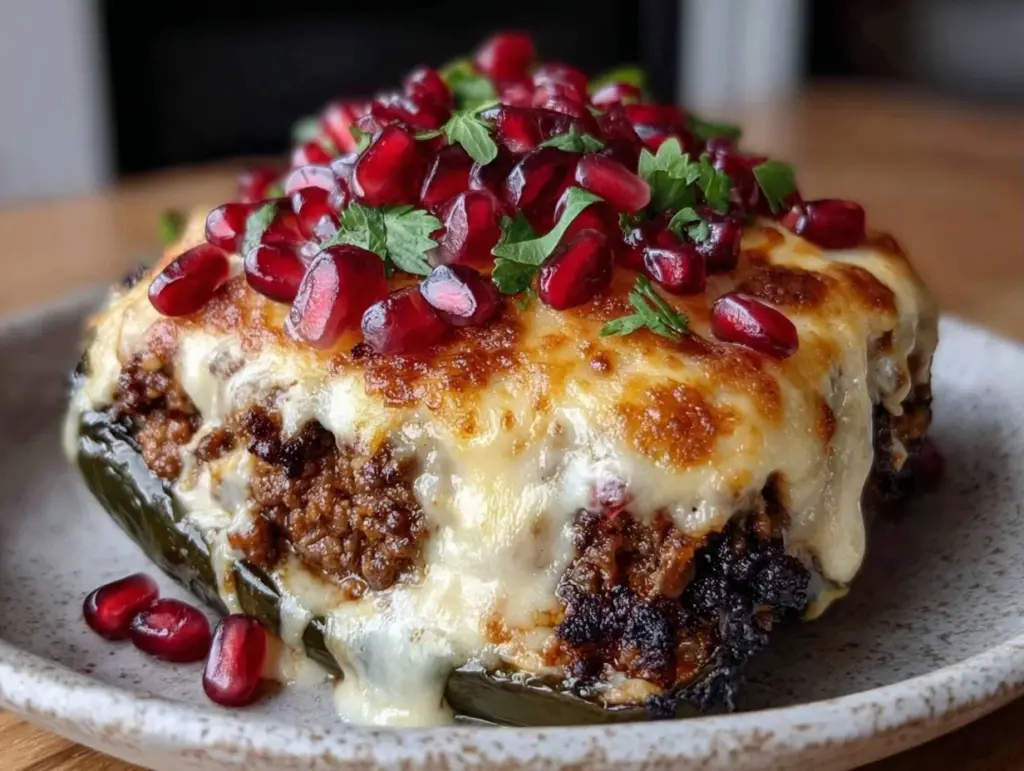
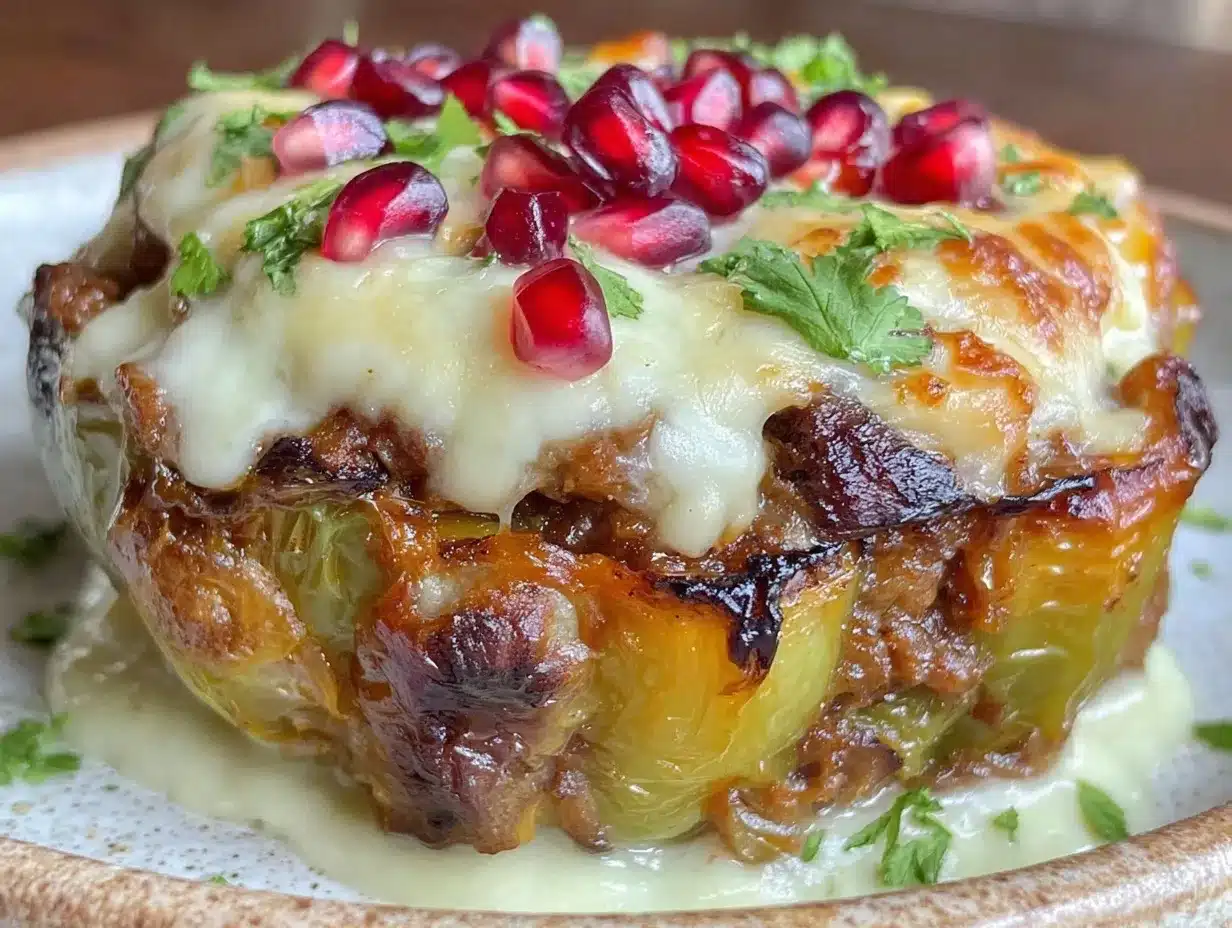
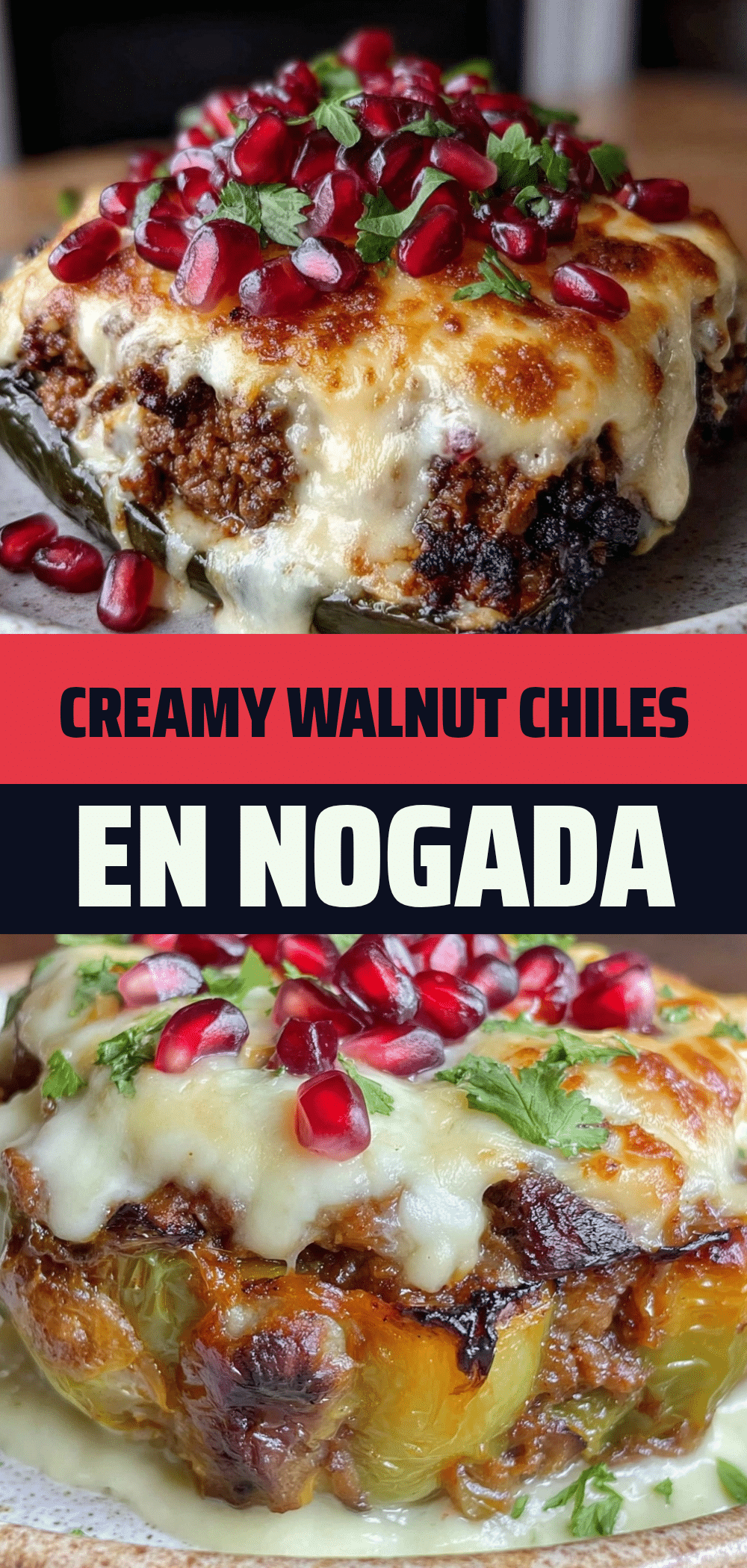
It’s a Conversation Starter — When you pull a plate of green peppers blanketed in white cream and sprinkled with red pomegranate seeds off the grill, heads turn. It’s visually stunning. It looks like you spent hours in the kitchen (even though the active grilling time is short). It’s the ultimate “I’m proud of my cooking” dish.
Perfect for Outdoor Entertaining — Unlike dishes that need to be plated immediately in a warm kitchen, this holds up well on a side table. The sauce doesn’t separate if it sits for a bit, and the grilled peppers stay warm. It’s perfect for a casual BBQ or a more formal Independence Day dinner where you want to show off your outdoor cooking skills.
Flavor Balance — The combination of sweet pears and peaches, spicy ancho chili, and rich walnuts is unlike anything else. It’s sweet, savory, spicy, and creamy all at once. If you like honey apple cake or other sweet-and-savory holiday treats, this takes that concept to a whole new level.
Makes You Look Like a Pro — I’ll be honest. I’ve made this for neighbors who are serious home cooks, and they were stunned. They thought I’d ordered it from a high-end Mexican restaurant. The secret is just in the technique, which I’m sharing with you right now.
This is my go-to when I need dinner to just work. No complicated techniques, no weird ingredients, just reliable, delicious food that makes everyone happy.
Ingredients You’ll Need
Here’s the best part: you probably have most of this already, or it’s easy to find at a regular grocery store. The key is quality on the walnuts and the pomegranates. I’m particular about three ingredients here, and I’ll tell you exactly why.
For the Peppers
Poblano Peppers (4 large) — These are the star. They need to be large, firm, and green. Look for ones that are straight, not curled. They have a mild heat and thick walls that hold up well to grilling. I usually buy a bag of 4-6 because one always gets a bad spot.
Vegetable Oil (2 tablespoons) — Just enough to brush on the peppers before grilling. Helps them blister and prevents sticking.
For the Picadillo (The Filling)
Ground Pork (1 pound / 450g) — Traditional recipes use a mix of pork and beef, but I stick to pork for a richer, juicier filling. It stays moist under the grill’s heat. If you prefer, you can use ground turkey, but it will be drier.
Yellow Onion (1 medium, diced / about 200g) — Sweet onions work too, but yellow gives better depth. White onions are too sharp for this.
Garlic (6 cloves, minced / about 2 tablespoons) — Yes, six cloves. Don’t skimp. Fresh only—no jarred garlic in this recipe. It needs to be fragrant.
Ancho Chili Powder (1 tablespoon) — This is dried, ground poblano. It adds earthiness and mild heat. If you can’t find it, mix chipotle and paprika, but ancho is best.
Cinnamon (1 teaspoon) — Ground cinnamon. It’s essential for that classic Mexican flavor profile.
Fennel Seeds (1/2 teaspoon, crushed) — Adds a subtle anise note. Don’t skip it.
Raisins (1/2 cup / 75g) — Plump, sweet raisins. They contrast with the savory meat.
Almonds (1/2 cup / 60g, sliced or slivered) — Toasted lightly for crunch. Traditional recipes often include these.
Peaches and Pears (1 cup each, diced) — Fresh or canned in juice. Fresh is better for texture. They add sweetness and moisture.
Tomato (1 medium, diced / about 150g) — Adds acidity and body to the filling.
Salt and Black Pepper — To taste. I use about 1 teaspoon salt for the meat.
For the Nogada Sauce (The Walnut Cream)
Walnuts (2 cups / 280g, raw) — This is the base of the sauce. Use high-quality, raw walnuts. Toasting them lightly before blending enhances the flavor. I buy them in shells sometimes and crack them myself—it’s meditative.
Heavy Cream (1 cup / 240ml) — Full-fat only. Half-and-half makes it too thin. Trust me on this.
Milk (1/2 cup / 120ml) — To thin out the sauce to a pourable consistency.
Sugar (2 tablespoons) — Just enough to balance the savory walnuts. Adjust to taste.
Cinnamon Stick (1 small) — Infuses the cream with warmth.
Nutmeg (1/4 teaspoon, freshly grated) — Freshly grated is non-negotiable. Pre-grated nutmeg tastes like dust.
Cloves (2 whole) — Optional, but adds depth. Remove before serving.
For the Garnish
Pomegranate Seeds (1/2 cup / 75g) — The red “blood” of the Mexican flag. Fresh is best. If you can’t find fresh pomegranates, frozen seeds work too—just thaw them.
Parsley or Cilantro (1 tablespoon, chopped) — A touch of green for the flag colors. Parsley is more traditional for this garnish.
Equipment Needed
You don’t need fancy equipment for this. Here’s what I actually use.
Gas Grill or Charcoal Grill — I prefer charcoal for the extra smoky flavor, but gas is easier for temperature control. I use a Weber Original Kettle Grill. It needs to be clean and oiled.
Grill Grates — Stainless steel or cast iron. I oil them well before grilling to prevent sticking.
Large Skillet — For cooking the picadillo filling. Cast iron is best for even heating.
Food Processor — For blending the nogada sauce. A high-speed blender works too, but a food processor gives a better texture.
Sharp Knife — For chopping onions, garlic, and fruit. Dull knives make you cry more—learned this the hard way.
Cutting Board — Any size works. I use plastic for easier cleanup.
Measuring Cups and Spoons — Pretty standard stuff. Dollar store versions work fine.
Strainer or Cheesecloth — Optional, for straining the sauce if you want it super smooth. I usually skip this for a rustic texture.
Grill Tongs — Essential for turning the peppers. Silicone tips are nice so you don’t scratch the grates.
Small Bowl — For mixing the sauce.
How to Make It: Step-by-Step
Alright, let’s make this! I’m walking you through exactly how I do it, including the little tricks I’ve picked up. The key is to prep the filling and sauce while the grill heats up.
Step 1: Prep Your Ingredients (10-15 minutes)
Before you start cooking, chop your onion, mince your garlic, and measure everything out. I know it seems fussy, but it makes the actual cooking way less stressful. Dice the peaches and pears. De-seed the pomegranates (yes, it’s messy—do it over a bowl). Grate the nutmeg. Once you start cooking, things move fast.
Step 2: Cook the Picadillo Filling (15-20 minutes)
Heat a large skillet over medium heat with a tablespoon of oil. Add the ground pork and cook, breaking it up with a spoon, until browned. Drain any excess fat. Add the diced onion and cook for 3-4 minutes until soft. Add the garlic, ancho chili powder, cinnamon, fennel seeds, salt, and pepper. Cook for 1 minute until fragrant. Stir in the raisins, almonds, diced peaches, pears, and tomato. Let it simmer for 5-7 minutes until the flavors meld and the mixture thickens. Taste and adjust seasoning. Let it cool completely. This step can be done a day ahead—actually tastes better the next day.
Step 3: Make the Nogada Sauce (10 minutes)
While the filling cools, make the sauce. In a food processor, pulse the walnuts until finely chopped. Add the heavy cream, milk, sugar, cinnamon stick, nutmeg, and cloves. Blend until smooth. If the sauce is too thick, add a little more milk. It should be the consistency of heavy cream. Taste and adjust sugar. Set aside in the fridge. The flavors will deepen as it chills.
Step 4: Grill the Poblano Peppers (15 minutes)
Preheat your grill to medium-high heat (about 400°F / 200°C). Clean and oil the grates. Brush the poblano peppers with vegetable oil. Place them directly on the grill grates. Grill for 3-4 minutes per side, turning occasionally, until the skin is blistered and charred in spots. The peppers should be soft and cooked through. You want a nice char, but don’t burn them to a crisp. Remove from the grill and place in a bowl. Cover with plastic wrap or a damp towel. Let them steam for 10 minutes. This makes peeling the skin much easier.
Step 5: Peel, Stuff, and Reheat (10 minutes)
After steaming, gently rub off the charred skin. You don’t need to remove every speck, but get most of it off. Make a small slit along the side of each pepper and carefully remove the seeds and membranes. Be gentle—you don’t want to tear the pepper. Stuff each pepper with the cooled picadillo mixture. Pack it in gently but firmly. Place the stuffed peppers back on the grill for 2-3 minutes to warm through and get a final light char.
Step 6: Plate and Garnish (5 minutes)
Remove the peppers from the grill. Place them on a serving platter. Drizzle the nogada sauce generously over the peppers, covering them completely. Sprinkle with pomegranate seeds and chopped parsley or cilantro. The red, white, and green should be visible. Serve immediately.
Total Time: About 1 hour (20 minutes active, 40 minutes mostly hands-off)
Expert Tips & Tricks
Here’s everything I’ve learned from making this dozens of times. These tips will save you from my mistakes.
Don’t Skip the Steam
After grilling, steaming the peppers in a covered bowl is crucial. It loosens the skin so it peels off easily. If you try to peel them hot, they’ll tear. If you wait too long, they’ll get mushy. 10 minutes is the sweet spot.
Toast the Walnuts
Lightly toast the walnuts in a dry skillet for 2-3 minutes before blending. It brings out their natural oils and makes the sauce richer. Don’t burn them—they’ll turn bitter.
Balance the Sauce
The nogada sauce should be slightly sweet to contrast the savory filling. Taste it before plating. If it’s too bland, add a pinch of salt or a bit more sugar. If it’s too sweet, add a squeeze of lime juice.
Keep the Peppers Whole
When stuffing, be gentle. If a pepper tears, patch it with a small piece of another pepper or just serve it open-faced. It still tastes great, even if it’s not pretty.
Make Ahead Strategy
The picadillo and nogada sauce can be made 2 days in advance. Store them separately in the fridge. Grill and stuff the peppers the day of serving for the best texture.
Variations & Substitutions
Once you’ve nailed the basic version, here’s how you can mix it up. I’ve tried all of these.
Vegetarian Version
Replace the ground pork with cooked quinoa or lentils. Add more diced vegetables like zucchini or bell peppers. The sauce remains the same.
Spicy Kick
Add a diced jalapeño or a dash of cayenne pepper to the picadillo. Or, mix a little chipotle powder into the nogada sauce for a smoky heat.
Fruit Swap
If peaches and pears aren’t in season, use apples or figs. They work well too.
Gluten-Free
This recipe is naturally gluten-free, but check your chili powder and spices to ensure they’re certified GF.
Dairy-Free Nogada
Replace heavy cream and milk with full-fat coconut cream. The flavor will be slightly different, but still delicious.
Serving & Storage
How to Serve:
“I usually serve this straight from the grill to the table. It looks rustic and stays warm. But here are other ways I’ve enjoyed it:”
Side Dishes:
– Smoky chipotle queso dip (for extra cheesy lovers)
– Simple green salad with citrus vinaigrette
– Warm corn tortillas on the side
– Cheesy jalapeno cornbread muffins (for a hearty side)
Toppings Bar:
When I have guests, I put out: extra pomegranate seeds, chopped cilantro, lime wedges, and extra nogada sauce. Everyone customizes their bowl.
Storage Instructions:
Refrigerator:
Store leftovers in an airtight container for up to 3 days. The sauce may thicken in the fridge—whisk in a splash of milk to loosen it before reheating.
Reheating:
Best method: Reheat the stuffed peppers in a 350°F (175°C) oven for 10-15 minutes. Reheat the sauce gently in a saucepan. Do not microwave the peppers—they can get mushy.
Freezing:
Honestly, this doesn’t freeze well because of the dairy. The sauce separates when thawed. Make it fresh or store in the fridge for up to 3 days.
Nutrition Information
I’m not a nutritionist, but here’s the breakdown if you’re tracking.
Per Serving (based on 4 servings):
– Calories: 580
– Protein: 18g
– Carbs: 45g
– Fiber: 6g
– Sugar: 22g
– Fat: 35g
– Saturated Fat: 12g
– Cholesterol: 45mg
– Sodium: 420mg
– Calcium: 120mg
What’s Good:
– Decent protein from the pork and walnuts
– Fiber from the vegetables and walnuts
– Rich in healthy fats from the walnuts
What to Know:
– Higher in calories from cream and cheese
– Contains dairy and nuts
– Moderate sodium (use low-sodium broth if adding any)
My Take:
“Look, this is a special occasion dish with cream and nuts. It’s not a diet recipe. But it’s way better than takeout, costs less, and I know exactly what’s in it. When I want to make it lighter, I reduce the cream and add more vegetables. But usually? I just eat a reasonable portion and enjoy it.”
Final Thoughts
So that’s my go-to chiles en nogada! I’ve probably talked your ear off at this point, but when you make a recipe this often, you have a lot to say about it.
This has saved Independence Day dinners more times than I can count. It’s my answer to “what’s for dinner” when I want something festive, impressive, and deeply rooted in tradition. My kids are happy, my husband’s happy, and I’m happy because I’m not stressed about cooking.
Make it yours! Try different add-ins, swap in your favorite vegetables, adjust the garlic (though more is always better in my opinion). The best recipes are the ones you adapt to your family’s tastes.
If you make this, drop a comment and let me know what you think! I love hearing how recipes turn out in your kitchen. And if something doesn’t work, tell me that too—I’m here to help troubleshoot.
Happy cooking! And I hope your kitchen smells half as good as mine does right now.
Frequently Asked Questions
Can I use roasted peppers instead of grilled?
You can, but grilling adds a smoky flavor that I think is essential for this dish. If you must roast them, broil them in the oven until charred, then steam and peel as directed. It’s not the same, but it works.
My nogada sauce is too thick—what do I do?
Add more milk or cream, one tablespoon at a time, until it reaches a pourable consistency. Remember, it will thicken a bit as it cools.
Can I make this ahead for a dinner party?
Yes! Make the picadillo and nogada sauce up to 2 days ahead. Grill and stuff the peppers the day of serving. Reheat them gently in the oven. It saves you stress during the party.
Why did my sauce get grainy?
The walnuts were too coarse or the sauce was heated too much. Blend the walnuts until very fine and don’t heat the sauce above room temperature. Serve it cold or at room temperature.
Can I use jarred picadillo?
You can, but homemade tastes so much better. Jarred versions are often too salty and lack the fresh fruit flavor. If you must use it, add diced fresh fruit and a pinch of cinnamon to boost the flavor.
How do I remove pomegranate seeds easily?
Cut the pomegranate in half, submerge it in a bowl of water, and gently break it apart under the water. The seeds will sink, and the white membrane will float. Drain and dry the seeds. It’s messy but effective.
Can I freeze the stuffed peppers?
Not recommended. The texture of the peppers and the sauce will suffer. Make them fresh for the best results.
Pin This Recipe!
Chiles en Nogada: Grill These 15 Min!
- Total Time: 1 hour
- Yield: 4 servings 1x
Description
A modern twist on the traditional Mexican Independence Day dish, featuring grilled poblano peppers stuffed with a savory picadillo filling and topped with a creamy walnut nogada sauce and pomegranate seeds.
Ingredients
- 4 large Poblano Peppers
- 2 tablespoons Vegetable Oil
- 1 pound Ground Pork
- 1 medium Yellow Onion, diced
- 6 cloves Garlic, minced
- 1 tablespoon Ancho Chili Powder
- 1 teaspoon Ground Cinnamon
- 1/2 teaspoon Fennel Seeds, crushed
- 1/2 cup Raisins
- 1/2 cup Almonds, sliced or slivered
- 1 cup Peaches, diced
- 1 cup Pears, diced
- 1 medium Tomato, diced
- Salt and Black Pepper to taste
- 2 cups Raw Walnuts
- 1 cup Heavy Cream
- 1/2 cup Milk
- 2 tablespoons Sugar
- 1 small Cinnamon Stick
- 1/4 teaspoon Nutmeg, freshly grated
- 2 whole Cloves
- 1/2 cup Pomegranate Seeds
- 1 tablespoon Parsley or Cilantro, chopped
Instructions
- Prep ingredients: Chop onion, mince garlic, dice peaches and pears, de-seed pomegranates, and grate nutmeg.
- Cook the picadillo: Heat oil in a large skillet over medium heat. Brown ground pork and drain excess fat. Add onion and cook until soft. Add garlic, ancho chili powder, cinnamon, fennel seeds, salt, and pepper; cook until fragrant. Stir in raisins, almonds, peaches, pears, and tomato. Simmer for 5-7 minutes until thickened. Let cool completely.
- Make the nogada sauce: Pulse walnuts in a food processor until finely chopped. Add heavy cream, milk, sugar, cinnamon stick, nutmeg, and cloves. Blend until smooth. Adjust consistency with more milk if needed. Refrigerate.
- Grill the peppers: Preheat grill to medium-high (400°F/200°C). Brush poblano peppers with vegetable oil. Grill for 3-4 minutes per side until blistered and charred. Place in a bowl, cover, and steam for 10 minutes.
- Peel and stuff: Rub off charred skin from peppers. Make a slit along the side and remove seeds/membranes. Stuff each pepper with the cooled picadillo mixture.
- Reheat and serve: Place stuffed peppers back on the grill for 2-3 minutes to warm through. Plate and drizzle generously with nogada sauce. Garnish with pomegranate seeds and parsley/cilantro.
- Serve immediately.
Notes
The picadillo and nogada sauce can be made up to 2 days in advance. Store separately in the fridge. Grill and stuff the peppers the day of serving for best texture. Do not freeze, as the dairy sauce will separate. If the sauce is too thick, whisk in a splash of milk before serving.
- Prep Time: 20 minutes
- Cook Time: 40 minutes
- Category: Main Course
- Cuisine: Mexican
Nutrition
- Serving Size: 1 stuffed pepper per
- Calories: 580
- Sugar: 22
- Sodium: 420
- Fat: 35
- Saturated Fat: 12
- Carbohydrates: 45
- Fiber: 6
- Protein: 18
Keywords: chiles en nogada, grilled peppers, Mexican Independence Day, walnut sauce, picadillo, outdoor cooking, grilling recipes, festive dinner