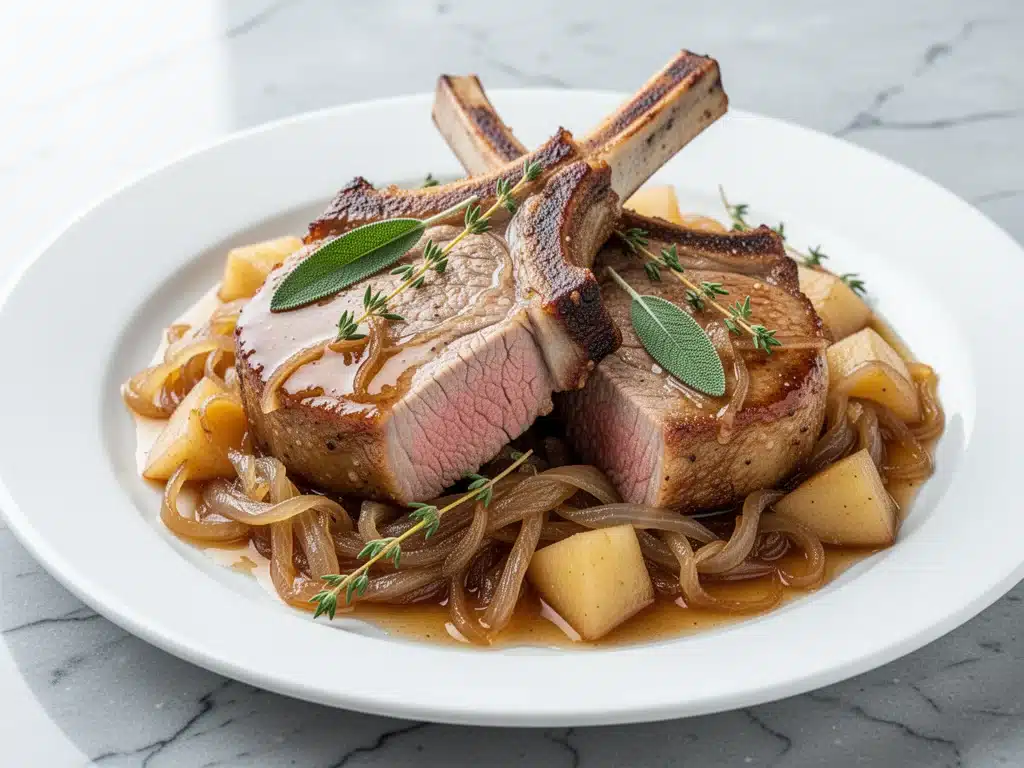
Last Tuesday, I was standing in my kitchen at 6:45 PM, staring at a package of pork chops with a sense of dread. You know the feeling. It’s that specific combination of hunger, exhaustion, and the terrifying realization that you have no idea what to cook for dinner. I wanted something warm, something that felt like a hug, but I also knew I didn’t have the energy to do anything complicated. The leaves were turning outside, the air had that crisp bite, and my brain was screaming for autumn flavors.
So I did what I always do when I’m tired: I grabbed whatever was in the fridge and the pantry. I had apple cider, some onions, and thick-cut pork chops. I threw them together in a skillet, half-expecting a mediocre result. But ten minutes later, the smell of caramelized onions and spiced cider filling the house, my husband walked in and literally stopped in his tracks. He said, “What is that amazing smell?” And when we sat down to eat, we didn’t even talk for the first five minutes. We just ate.
That night, I discovered that Fall Apple Cider Braised Pork Chops with Caramelized Onions doesn’t just work—it’s incredible. It’s the kind of meal that makes a stressful weeknight feel special. I’ve made it at least a dozen times since then, tweaking the timing and the spice ratios until it was perfect. It’s become my secret weapon for those evenings when I need dinner to just work, without sacrificing flavor or comfort. If you’re looking for a way to bring cozy autumn vibes to your table without spending hours in the kitchen, this is it.
Why You’ll Love This Recipe
I’m not exaggerating when I say this recipe has saved our dinner routine multiple times. There are specific reasons I keep coming back to it, and they’re not just because it tastes good (though it does). Here’s why this apple cider pork chop dish deserves a permanent spot in your rotation.
- It’s Actually Fast — Seriously, from start to finish, it takes about 35 minutes. And only 15 of those are active. I make this on weeknights when I’m running around like a headless chicken. The pork chops sear quickly, and while they’re braising, I can clean up or help with homework.
- One-Pan Wonder — This is huge for me. I hate doing dishes. Everything happens in one deep skillet. Sear the meat, caramelize the onions, make the sauce, braise the chops. Done. Minimal cleanup, maximum flavor.
- Flavor That Feels Fancy — The combination of tart apple cider, sweet caramelized onions, and savory pork creates this complex, restaurant-quality taste. But it’s just home cooking. My kids think it’s “special” because it’s sweet and savory, and I love that it feels like a treat without the effort.
- Perfect for Fall — There’s something about the smell of cinnamon and apples simmering that just feels right in October and November. It brings that cozy, hygge feeling into your kitchen. It pairs beautifully with sides like creamy garlic mashed cauliflower or roasted root vegetables.
- Forgiving — I’ve burned the onions once (oops), and I’ve used too much cider once (too soupy). But this recipe is very forgiving. If you overcook the onions slightly, they’re just sweeter. If the sauce is thin, just reduce it longer. It’s hard to mess up.
This is my go-to when I want to impress without stressing. It’s reliable, delicious, and makes your kitchen smell like a bakery. Trust me, once you make this, you’ll understand the hype.
Ingredients You’ll Need
Here’s the best part: you probably have most of these ingredients already. This isn’t a recipe that requires a trip to three different specialty stores. It’s pantry-friendly with a few fresh additions that make all the difference.
For the Pork Chops
Thick-Cut Pork Chops (1.5 inches thick, bone-in or boneless, about 4-6 chops) — This is the most important ingredient. Do not use thin, paper-thin chops. They will dry out before the onions caramelize. Look for chops that are at least 1.5 inches thick. Bone-in adds more flavor, but boneless works fine if that’s what you find on sale.
Kosher Salt and Black Pepper — Generous seasoning. I salt the chops at least 15 minutes before cooking if I remember. If I don’t, I just season them right before they hit the pan. Don’t skimp on the pepper; it adds nice heat.
Neutral Oil (2 tablespoons) — I use avocado oil or canola oil because they have high smoke points. Olive oil works, but extra virgin can burn at high heat. You want a good sear, so high heat is key.
For the Caramelized Onions
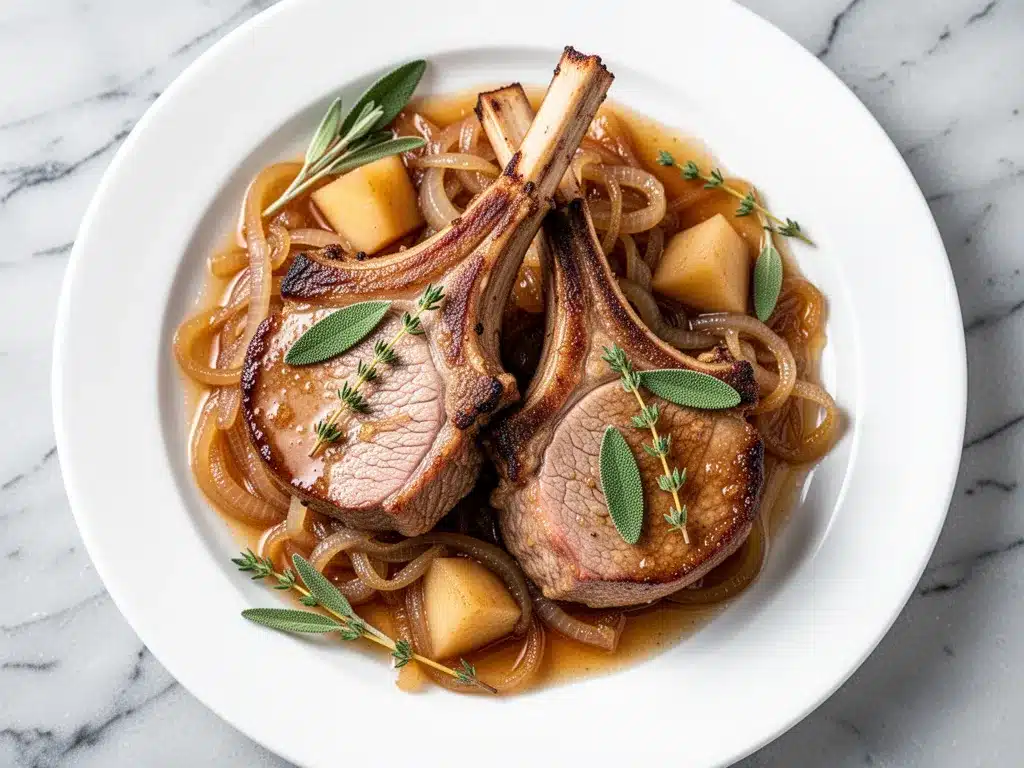
Yellow Onions (2 large, thinly sliced) — I slice them myself. Pre-sliced onions are convenient but don’t caramelize as evenly. Thin slices are crucial—they cook faster and get sweeter. You want them to look like jam, not just translucent.
Butter (2 tablespoons) — I use unsalted butter for the onions. It adds richness and helps the onions brown. If you’re dairy-free, use a high-quality plant-based butter.
For the Braising Liquid
Apple Cider (1.5 cups) — Not apple juice. Not apple juice cocktail. Actual apple cider. It needs to have that tart, fermented flavor. If you can find fresh-pressed cider from a local farm stand, even better. If you can only find shelf-stable cider, look for ones labeled “unfiltered” or “hard cider” (non-alcoholic versions exist too).
Apple Cider Vinegar (1 tablespoon) — This cuts through the sweetness of the cider and the richness of the pork. It adds brightness. Don’t skip it, or the dish will taste cloying.
Dijon Mustard (1 tablespoon) — Adds a tangy depth. It’s subtle but essential. If you don’t have Dijon, whole-grain mustard works too.
Fresh Thyme (4-5 sprigs) — Or 1 teaspoon dried thyme. Fresh is better, but dried works in a pinch. Thyme and pork are a classic pairing.
Cinnamon Stick (1 whole) — Or ½ teaspoon ground cinnamon. A whole stick infuses flavor without making it taste like dessert. If you use ground cinnamon, add it at the end so it doesn’t clump.
Garlic (3 cloves, minced) — Fresh garlic only. Jarred garlic has a weird metallic taste that clashes with the sweet cider.
For the Thickening
Butter (1 tablespoon, cold) — Swirled in at the end to make the sauce glossy. This is a chef’s trick, but it makes a huge difference.
Equipment Needed
You don’t need fancy gadgets for this. Here’s what I actually use, along with some honest opinions on alternatives.
Large Skillet or Dutch Oven — I prefer a 12-inch cast iron skillet or a heavy-bottomed stainless steel pan. It needs to be big enough to hold all the pork chops in a single layer. If you have to overcrowd the pan, the meat steams instead of searing. A Dutch oven works great if you’re braising in the oven, but for a weeknight skillet method, a large pan is best.
Sharp Chef’s Knife — For slicing the onions thinly. A dull knife will make you cry more than the onions will. I use my Wüsthof, but any sharp knife works.
Wooden Spoon or Silicone Spatula — For stirring the onions and scraping the brown bits (fond) from the bottom of the pan. Those brown bits are flavor gold.
Tongs — For flipping the pork chops. Trying to use a fork can pierce the meat and lose the juices. Tongs keep the chops intact.
Measuring Cups and Spoons — Standard stuff. I keep a set on my counter for easy access.
Instant-Read Thermometer — Highly recommended. Pork chops can dry out quickly if overcooked. This tool takes the guesswork out. If you don’t have one, you’ll need to learn the touch test (firm but not hard).
How to Make It: Step-by-Step
Alright, let’s make this! I’m walking you through exactly how I do it, including the little tricks I’ve picked up over time. It’s simpler than it looks.
Step 1: Prep the Pork Chops (5 minutes)
Pat the pork chops dry with paper towels. This sounds basic, but dry meat sears better. Moisture creates steam, and we want a crust. Season both sides generously with kosher salt and black pepper. If you have time, let them sit at room temperature for 15-20 minutes while you prep the onions. This helps them cook more evenly.
Step 2: Sear the Pork Chops (4-5 minutes)
Heat the oil in your large skillet over medium-high heat. Once the oil shimmers and just starts to smoke, add the pork chops. Do not overcrowd the pan. Sear for 2-3 minutes on the first side until you get a deep golden-brown crust. Flip and sear for another 2-3 minutes on the other side. You don’t need to cook them all the way through yet; just get that color. Remove the chops to a plate and set aside. Don’t clean the pan—those brown bits are flavor.
Step 3: Caramelize the Onions (10-12 minutes)
Reduce the heat to medium-low. Add the butter to the same skillet. Once melted, add the sliced onions. Spread them out evenly. Let them sit for 2-3 minutes without stirring. This helps them brown. Then, start stirring occasionally. Cook for another 8-10 minutes, until the onions are deep golden brown, soft, and jammy. They should smell sweet and caramelized. If they start to burn, lower the heat. This step takes patience, but it’s worth it.
Step 4: Build the Sauce (3 minutes)
Add the minced garlic and dried thyme (if using) to the onions. Cook for 1 minute, stirring constantly, until fragrant. Do not let the garlic burn. Pour in the apple cider, apple cider vinegar, and Dijon mustard. Use your wooden spoon to scrape up all the brown bits from the bottom of the pan. This is crucial for flavor. Let the mixture simmer for 2-3 minutes to reduce slightly.
Step 5: Braise the Pork Chops (10-12 minutes)
Nestle the seared pork chops back into the skillet, on top of the onions. Pour the sauce over them. Add the fresh thyme sprigs and the cinnamon stick. Bring the liquid to a gentle simmer, then reduce the heat to low. Cover the pan with a lid. Let the chops braise for 8-10 minutes. Check the internal temperature with a thermometer. You want to reach 145°F (63°C). If they’re still too rare, uncover and cook for another 2-3 minutes.
Step 6: Finish the Sauce (2 minutes)
Remove the pork chops to a serving platter. Discard the thyme sprigs and cinnamon stick. Turn the heat up to medium-high and let the sauce simmer uncovered for 2-3 minutes until it thickens to a sauce consistency. Remove from heat. Whisk in the cold tablespoon of butter. This will make the sauce glossy and rich. Taste and adjust salt and pepper if needed.
Step 7: Serve
Pour the sauce and onions over the pork chops. Garnish with fresh parsley or chives if you have them. Serve immediately. The longer they sit, the more the sauce thickens, so get them to the table hot.
Expert Tips & Tricks
Here’s everything I’ve learned from making this dozens of times. These tips will save you from my mistakes.
Don’t Skip the Sear
I know it’s tempting to just braise the meat. But searing creates the Maillard reaction, which adds depth and complexity. Without the sear, the pork tastes boiled. Take the time to get that crust.
Low and Slow for Onions
If you crank the heat to caramelize onions quickly, they’ll burn on the outside and stay raw on the inside. Low heat is your friend. It’s not that much extra time, and the flavor is infinitely better.
Use Real Cider
Apple juice is too sweet and lacks the tartness. Apple cider has the right balance of sweetness and acidity. If you can’t find fresh cider, look for “cloudy” or unfiltered varieties at the grocery store. Clear apple juice will make the dish too sweet.
Don’t Overcook the Pork
Pork chops are lean. Overcook them by even 5 minutes, and they’ll be dry and tough. 145°F is the target. Pull them off the heat when they hit 140°F; they’ll continue to cook slightly as they rest. Use a thermometer. It’s the only way to be sure.
Scrape the Fond
Those brown bits stuck to the bottom of the pan? That’s flavor. When you add the cider, use a wooden spoon to scrape them all up. If you leave them, you’re leaving flavor on the table.
Thicken the Sauce
If your sauce is too thin after removing the chops, let it simmer longer. If it’s still too thin, you can make a slurry (1 teaspoon cornstarch mixed with 1 teaspoon cold water) and whisk it in. But usually, just reducing it works fine.
Variations & Substitutions
Once you’ve nailed the basic version, here’s how you can mix it up. I’ve tried all of these.
Spicy Version
Add ½ teaspoon red pepper flakes or a pinch of cayenne pepper when you add the garlic. It adds a nice kick that balances the sweetness. This goes well with maple-glazed roasted sweet potatoes for a spicy-sweet combo.
Herb-Forward
Swap thyme for rosemary or sage. Sage and pork are a classic fall pairing. Use 2-3 fresh sage leaves instead of thyme sprigs.
Veggie-Loaded
Add sliced apples (Granny Smith or Honeycrisp) when you add the onions. They’ll soften and add another layer of texture. Or toss in some chopped kale or spinach in the last minute of cooking.
Gluten-Free
This recipe is naturally gluten-free, as long as your cider and mustard are GF. Check labels, as some ciders or mustards can have hidden gluten.
Dairy-Free
Skip the butter in the onions and use olive oil. For the sauce finish, skip the butter swirl or use a dairy-free alternative. It won’t be as glossy, but it’s still delicious.
Different Meat
You can use this same method for chicken thighs or even duck breasts. Chicken thighs are more forgiving and stay juicier. Duck breasts need less time, so adjust accordingly.
Serving & Storage
How to Serve:
I usually serve this straight from the skillet at the dinner table—it looks rustic and stays warm. But here are other ways I’ve enjoyed it:
- Mashed Potatoes — The sauce is perfect for pouring over creamy mashed potatoes. Classic comfort food.
- Rice or Quinoa — A neutral grain soaks up the sauce nicely.
- Crusty Bread — To mop up every last drop of sauce.
- Green Veggies — Roasted Brussels sprouts or steamed green beans add a nice crunch and bitterness to balance the sweet sauce.
Storage Instructions:
Refrigerator: Store leftovers in an airtight container for up to 3 days. The pork chops will absorb some of the sauce, which is fine. In fact, they’re often better the next day as the flavors meld.
Reheating: The best method is to reheat gently in a skillet over low heat with a splash of water or broth. This keeps the meat moist. Microwave reheating can dry out pork chops quickly, so if you must use the microwave, do it in short bursts (30 seconds) and add a splash of liquid.
Freezing: This doesn’t freeze well. The pork chops can become dry and mushy upon thawing. The sauce freezes okay, but I’d recommend making this fresh for best results.
Nutrition Information
I’m not a nutritionist, but here’s the breakdown if you’re tracking. Please note that this is an estimate and will vary based on the specific cuts of meat and brands used.
Per Serving (based on 4 servings):
- Calories: 450
- Protein: 35g
- Carbs: 25g
- Fiber: 2g
- Sugar: 18g (from the cider and onions)
- Fat: 22g
- Saturated Fat: 8g
- Sodium: 600mg
What’s Good:
High in protein, which keeps you full. The onions provide some fiber and antioxidants. It’s a balanced meal if you pair it with veggies.
What to Know:
Higher in sugar due to the cider, but it’s natural fruit sugar. Contains dairy (butter). Moderate sodium. If you’re watching sugar, reduce the cider to 1 cup and use unsweetened apple juice blend.
Final Thoughts
So that’s my go-to Fall Apple Cider Braised Pork Chops with Caramelized Onions! I’ve probably talked your ear off at this point, but when you make a recipe this often, you have a lot to say about it.
This has saved weeknight dinners more times than I can count. It’s my answer to “what’s for dinner” when I’m tired, don’t want takeout, and still want something that tastes really good. My kids are happy, my husband’s happy, and I’m happy because I’m not stressed about cooking. Plus, the house smells amazing, which is a nice bonus.
Make it yours! Try different apples, swap the herbs, or add some spice. The best recipes are the ones you adapt to your family’s tastes. If you make this, drop a comment and let me know what you think! I love hearing how recipes turn out in your kitchen. And if something doesn’t work, tell me that too—I’m here to help troubleshoot.
Happy cooking! And I hope your kitchen smells half as good as mine does right now.
Frequently Asked Questions
Can I use apple juice instead of apple cider?
You can, but the flavor will be different. Apple juice is sweeter and less tart. If you use apple juice, add an extra tablespoon of apple cider vinegar and a pinch of salt to balance the sweetness. But for the best flavor, stick with real apple cider. It has that complex, fermented taste that makes this dish special.
Why are my pork chops dry?
This usually happens if you overcook them. Pork chops are lean and cook quickly. Use a meat thermometer and pull them off the heat at 145°F. Also, make sure you’re searing them properly to lock in juices, and don’t skip the braising step—it keeps them moist. If you’re using thin chops, reduce the braising time.
Can I make this ahead of time?
Sort of. You can prep the onions and chop the pork ahead of time and store them in the fridge. But I recommend cooking it fresh. The pork chops are best served hot and juicy. If you must make it ahead, reheat gently with a splash of liquid to keep them moist.
What kind of apple cider should I use?
Look for unfiltered, cloudy apple cider. It has more flavor and texture than clear, pasteurized juice. If you can find fresh-pressed cider from a local farm, that’s ideal. Avoid “apple drink” or “apple juice cocktail,” as these are often diluted and sweetened.
Can I use boneless pork chops?
Yes, boneless works fine. Just be careful not to overcook them. Boneless chops are thinner, so they’ll cook faster. Reduce the braising time by 2-3 minutes and check the temperature frequently.
How do I store leftovers?
Store in an airtight container in the fridge for up to 3 days. The pork chops will absorb the sauce, which is fine. Reheat gently in a skillet with a splash of broth or water to keep them moist.
Can I double this recipe?
Absolutely! Double everything and use your biggest skillet or a Dutch oven. You might need to sear the pork chops in batches to avoid overcrowding. The cooking times stay the same, but keep an eye on the onions—they might take a bit longer to caramelize in a larger pan.
Pin This Recipe!


Fall Apple Cider Braised Pork Chops with Caramelized Onions
- Total Time: 35 minutes
- Yield: 4 servings 1x
Description
A cozy, one-pan weeknight dinner featuring thick-cut pork chops braised in a rich sauce of apple cider, caramelized onions, and warm spices like cinnamon and thyme.
Ingredients
- 4–6 thick-cut pork chops (1.5 inches thick, bone-in or boneless)
- Kosher salt and black pepper
- 2 tablespoons neutral oil (avocado or canola)
- 2 large yellow onions, thinly sliced
- 2 tablespoons unsalted butter
- 1.5 cups apple cider
- 1 tablespoon apple cider vinegar
- 1 tablespoon Dijon mustard
- 4–5 sprigs fresh thyme (or 1 tsp dried thyme)
- 1 whole cinnamon stick (or ½ tsp ground cinnamon)
- 3 cloves garlic, minced
- 1 tablespoon cold butter (for finishing sauce)
Instructions
- Pat pork chops dry and season generously with salt and pepper. Let sit at room temperature for 15-20 minutes if possible.
- Heat oil in a large skillet over medium-high heat. Sear pork chops for 2-3 minutes per side until golden brown. Remove to a plate and set aside.
- Reduce heat to medium-low. Add 2 tablespoons butter to the pan. Add sliced onions and cook for 10-12 minutes, stirring occasionally, until deep golden brown and jammy.
- Add minced garlic and dried thyme (if using) to onions; cook for 1 minute until fragrant.
- Pour in apple cider, apple cider vinegar, and Dijon mustard. Scrape up brown bits from the bottom of the pan. Simmer for 2-3 minutes to reduce slightly.
- Nestle pork chops back into the skillet. Add fresh thyme sprigs and cinnamon stick. Cover and braise on low heat for 8-10 minutes until internal temperature reaches 145°F.
- Remove chops to a platter. Discard thyme and cinnamon. Increase heat to medium-high and simmer sauce uncovered for 2-3 minutes until thickened.
- Remove from heat and whisk in 1 tablespoon cold butter to glossy finish. Taste and adjust seasoning.
- Serve pork chops topped with sauce and onions immediately.
Notes
Do not use thin pork chops as they will dry out. Ensure you use real apple cider, not apple juice, for the best flavor balance. Pork is safe to eat at 145°F. If the sauce is too thin, simmer longer or use a cornstarch slurry. This recipe is naturally gluten-free if your cider and mustard are GF.
- Prep Time: 15 minutes
- Cook Time: 20 minutes
- Category: Main Course
- Cuisine: American
Nutrition
- Serving Size: 1 pork chop with sau
- Calories: 450
- Sugar: 18
- Sodium: 600
- Fat: 22
- Saturated Fat: 8
- Carbohydrates: 25
- Fiber: 2
- Protein: 35
Keywords: pork chops, apple cider, braised pork, fall recipes, weeknight dinner, one pan meal, caramelized onions, cozy dinner