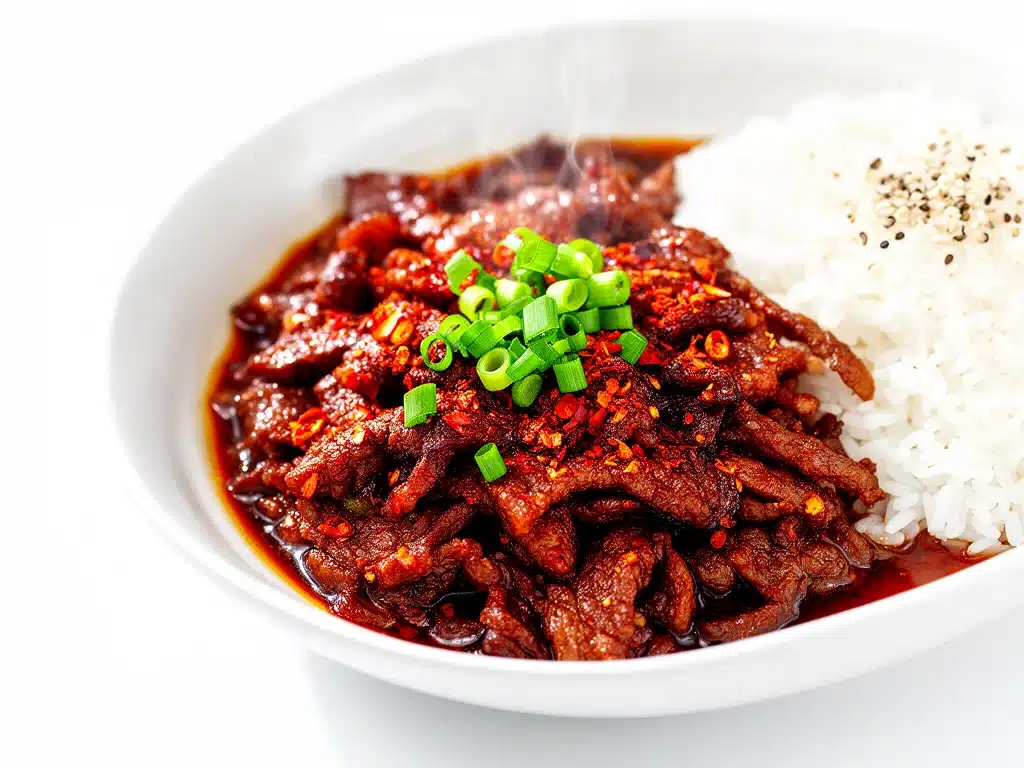
There was this one Friday night when I was scrambling to throw dinner together after a long week, and my pantry looked pitifully bare. I pulled out some ground beef, grabbed a handful of random sauces, and decided to wing it with a spicy Korean beef bulgogi-inspired marinade. Honestly, I didn’t expect much, but the moment I tasted it, I knew I’d stumbled onto something special. It was saucy, had just the right kick, and—most importantly—my whole family devoured it without complaint. No fighting over the last bite, no picky tastes, just plates wiped clean. Since then, I’ve perfected this easy 5-step spicy Korean beef bulgogi recipe into a reliable weeknight winner, loaded with rich, bold flavors that feel like a restaurant dish but come together in under 30 minutes.
After testing the marinade ratios about a dozen times (and yes, burning the meat more than once), I finally nailed the balance of sweet, spicy, and savory that makes this bulgogi irresistible. The secret? A saucy richness that clings perfectly to tender strips of beef, plus a little heat that wakes up your taste buds without overwhelming them. This recipe isn’t just about the flavor—it’s about the way it brings people to the table, hungry and happy.
Whether you’re a Korean food newbie or a seasoned pro, this spicy Korean beef bulgogi with saucy richness is about to become your go-to. It’s perfect for busy weeknights, family dinners, or even meal prep for the week ahead. And if you’re curious, I’ve even included simple swaps and add-ins so you can make it your own. Ready to dive in?
Why You’ll Love This Spicy Korean Beef Bulgogi Recipe
This recipe has completely changed how I approach weeknight dinners. There are a handful of reasons I keep coming back to it:
- Simple Ingredients, Big Flavor — You don’t need a dozen obscure sauces. Just a few pantry staples like soy sauce, gochujang, garlic, and brown sugar, plus some fresh aromatics, and you’re golden. I always have these on hand, making this recipe an easy whip-up.
- Quick and Easy — From marinade to plate in about 25 minutes. The marinade works fast, so you don’t have to plan hours ahead. Perfect for those nights when you walk in the door starving.
- Family-Friendly Heat — The spice level is adjustable, but the way I make it hits that perfect balance of warm heat and savory richness that even my spice-averse kids tolerate (and sometimes secretly enjoy).
- Versatile and Customizable — Serve it over rice, stuff it in wraps, or toss into a salad. Plus, I’ll share how I add veggies or swap proteins to keep things fresh.
- Makes Great Leftovers — The sauce thickens and intensifies overnight, making next-day lunches or quick dinners just as good (if not better!) than fresh.
Real talk: this spicy Korean beef bulgogi brings the kind of warmth and fullness that satisfies everyone around the table. It’s the kind of recipe that turns into a family favorite without much fuss—and that’s why I keep it in my weekly rotation.
Ingredients You’ll Need
Here’s the best part: most of these ingredients are probably already in your kitchen. I’m picky about a few things, and I’ll tell you why.
- Ground beef (1 pound / 450g) — I use 80/20 for the best flavor and juiciness. You can swap for thinly sliced sirloin or ribeye if you want to be fancy, but ground beef keeps it quick and budget-friendly.
- Gochujang (2 tablespoons / 30g) — This Korean chili paste is the star of the show. It adds heat and a subtle sweetness. If you can’t find it, mix 1 tablespoon chili paste with 1 tablespoon miso as a backup.
- Soy sauce (¼ cup / 60ml) — Use low-sodium to control saltiness. I always keep Kikkoman in my pantry.
- Brown sugar (2 tablespoons / 25g) — Balances out the heat and gives that signature bulgogi sweetness.
- Garlic (4 cloves, minced / about 2 teaspoons) — Fresh only. Garlic is a flavor powerhouse here.
- Ginger (1 tablespoon, freshly grated / 6g) — Adds brightness and depth. Pre-grated works in a pinch but fresh is better.
- Sesame oil (1 tablespoon / 15ml) — Toasted sesame oil brings that nutty, aromatic finish that makes the sauce rich and irresistible.
- Green onions (3, thinly sliced / 45g) — For freshness and a bit of crunch.
- Rice vinegar (1 tablespoon / 15ml) — A splash to balance sweetness and add tang.
- Black pepper (½ teaspoon) — Freshly cracked if possible.
- Red pepper flakes (½ teaspoon, optional) — For extra heat if you like it spicy.
- Sesame seeds (1 tablespoon, toasted) — For garnish and crunch.
- Cooked white rice or lettuce wraps — To serve.
Optional Veggies: I like to toss in sliced bell peppers, shredded carrots, or even mushrooms for texture and color. They soak up the sauce beautifully.
Quick tip: If you want to keep things authentic but don’t have gochujang, I mix a little sriracha with miso and honey as a stand-in. Not perfect, but it works in a pinch.
Equipment Needed
You don’t need fancy gear to make this spicy Korean beef bulgogi. Here’s what I use every time:
- Large mixing bowl — For marinating the beef. I like glass or stainless steel.
- Large skillet or cast iron pan — A 12-inch skillet works best for even cooking and getting that nice sear on the beef.
- Sharp knife and cutting board — For mincing garlic, slicing green onions, and any optional veggies.
- Measuring spoons and cups — Keeps the marinade balanced every time.
- Wooden or silicone spatula — For stirring and scraping the pan.
Pro tip: If you have a grill pan, it adds great char and flavor, but the skillet is my go-to for weeknights.
How to Make Spicy Korean Beef Bulgogi: Step-by-Step
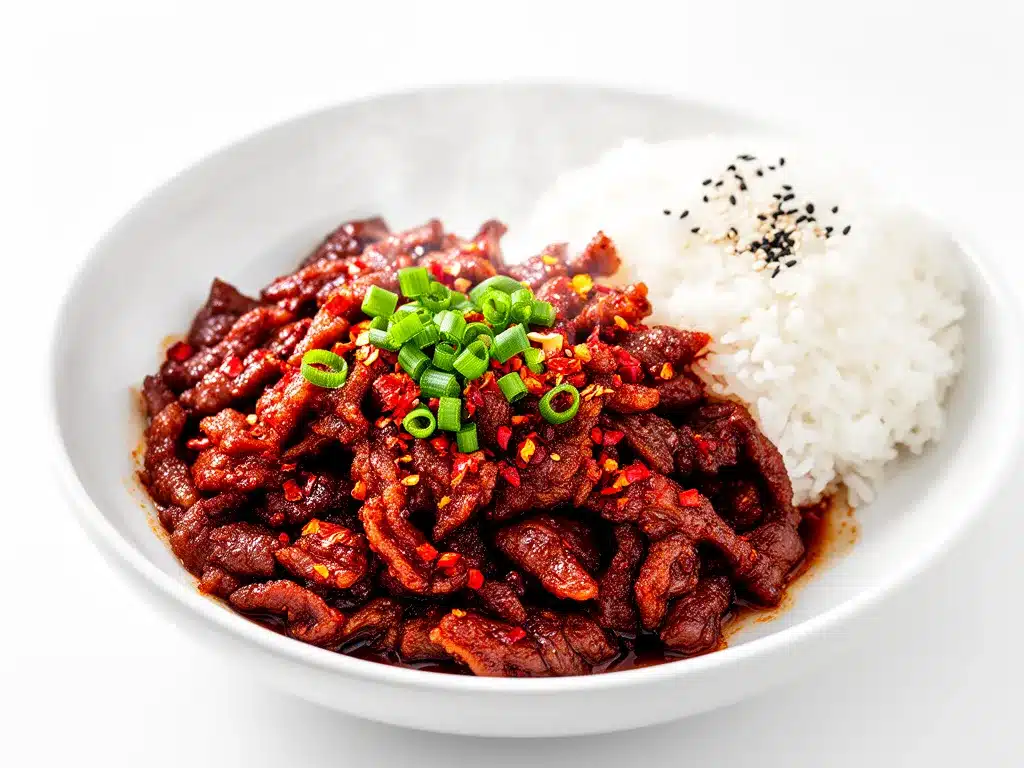
Alright, let’s make this! I’m walking you through exactly how I do it, including the little tricks I’ve picked up.
Step 1: Mix the Marinade (5 minutes)
In your large mixing bowl, combine the gochujang, soy sauce, brown sugar, minced garlic, grated ginger, sesame oil, rice vinegar, black pepper, and red pepper flakes (if using). Whisk until the sugar dissolves and everything is combined into a smooth, glossy sauce. The aroma at this point should be a perfect balance of sweet, spicy, and nutty.
Step 2: Marinate the Beef (10 minutes)
Add the ground beef to the bowl and use your hands or a spoon to break it up and mix it thoroughly with the marinade. Let it sit for at least 10 minutes—this isn’t a long marinating recipe, but that time lets the flavors seep in nicely. If you have more time, 30 minutes is even better.
Step 3: Cook the Beef (10-12 minutes)
Heat your skillet over medium-high heat. No oil needed because the beef has enough fat. Add the marinated beef in an even layer and let it sear undisturbed for 3-4 minutes. This gets you that delicious caramelization. Then, stir and break it up with your spatula, cooking for another 6-8 minutes until the beef is browned and the sauce has thickened up. You’ll notice the sauce turning glossy and clinging to the beef—this is what you want.
Step 4: Add Green Onions and Optional Veggies (2 minutes)
Throw in the sliced green onions and any quick-cooking veggies you want, like bell peppers or shredded carrots. Toss everything together and cook for another 1-2 minutes until the onions soften slightly but still have crunch.
Step 5: Serve and Garnish (1 minute)
Serve your spicy Korean beef bulgogi hot, over freshly steamed white rice or wrapped in crisp lettuce leaves for a light, fresh contrast. Sprinkle with toasted sesame seeds and extra green onions for that finishing touch. The richness of the sauce paired with the fresh crunch is everything.
Pro tip: If the sauce gets too thick, splash in a teaspoon of water or soy sauce to loosen it up. If it’s too thin, cook a minute longer to reduce.
Expert Tips & Tricks
- Don’t skip the sear: Letting the beef caramelize before stirring gives you that deep, saucy richness that makes this dish stand out.
- Adjust the heat: Start with less gochujang or red pepper flakes and add more to taste. You can always add spice but can’t take it away.
- Use fresh aromatics: Fresh garlic and ginger make a world of difference. I’ve tried jarred garlic, and it’s just not the same.
- Toast those sesame seeds: A quick toast in a dry pan brings out their nutty flavor and adds crunch.
- Make extra sauce: This bulgogi sauce doubles as a fantastic dipping sauce for chicken bacon ranch sliders or drizzled over steamed veggies.
- Meal prep hack: Make the beef ahead and store in the fridge. Reheat quickly in a skillet with a splash of water to loosen the sauce.
Variations & Substitutions
Once you’ve nailed the basic spicy Korean beef bulgogi, here are some fun ways to switch it up:
- Chicken Bulgogi: Swap ground beef for thinly sliced chicken thighs. Marinate and cook the same way for juicy, tender results.
- Vegetarian Version: Use thinly sliced mushrooms or tofu instead of beef. The mushrooms soak up the sauce beautifully.
- Spicy-Sweet Kick: Add a tablespoon of honey or maple syrup for extra sweetness balancing the spice.
- Crunch Factor: Top with crushed peanuts or cashews for texture and a fun twist.
- Low-Carb: Serve in lettuce wraps instead of rice, or over cauliflower rice for a lighter meal.
Serving & Storage
I usually serve this spicy Korean beef bulgogi straight from the skillet—hot, saucy, and irresistible—with steamed white rice and a side of kimchi if I’m feeling fancy. For a lighter option, wrap it in crisp lettuce leaves with a sprinkle of fresh herbs like cilantro or mint. When I have guests, I like to set out extra sesame seeds, sliced green onions, and chili flakes so everyone can customize their bowls.
Leftovers? They keep well in an airtight container in the fridge for up to 4 days. When reheating, add a splash of water or soy sauce and warm gently in a skillet to bring back the sauce’s saucy richness. I don’t recommend freezing this one—the texture of the beef and sauce changes too much.
Nutrition Information
| Nutrient | Per Serving (6 servings) |
|---|---|
| Calories | 320 |
| Protein | 22g |
| Carbohydrates | 18g |
| Fiber | 2g |
| Sugar | 8g |
| Fat | 18g |
| Saturated Fat | 6g |
| Cholesterol | 60mg |
| Sodium | 700mg |
| Calcium | 40mg |
Look, this is a flavorful, comforting dish with some fat and sodium thanks to the beef and soy sauce. But it’s packed with protein and can be lightened up with veggie additions or served in lettuce wraps. I balance it out with simple sides and call it a win.
Final Thoughts
So that’s my spicy Korean beef bulgogi recipe with all the saucy richness your whole family will crave. I probably could talk your ear off about this one, but after making it countless times, it’s clear: this dish delivers big flavor without big effort. It’s saved me on busy nights and turned into a family favorite that gets requested again and again.
Don’t be afraid to tweak the spice, add your favorite veggies, or serve it in fun ways. The best recipes are the ones you make your own. If you try it, let me know how it goes—especially if you have a favorite twist or a question. I’m here for all of it.
Happy cooking! And may your kitchen smell as amazing as mine does right now.
Frequently Asked Questions
Can I use thinly sliced beef instead of ground beef?
Absolutely! Thinly sliced ribeye or sirloin works beautifully for bulgogi. Just marinate and cook it quickly over high heat for about 2-3 minutes per side. It’s more traditional and gives you those tender, juicy bites. I love both versions depending on how much time I have.
What if I don’t have gochujang? Can I substitute it?
Gochujang is key for that authentic spicy-sweet flavor. If you can’t find it, mix 1 tablespoon chili paste (like sriracha) with 1 tablespoon miso and a bit of honey or brown sugar. It’s not exactly the same, but it gets you close. I keep a jar of gochujang in my fridge because it’s so versatile.
Is this recipe very spicy?
The heat level is moderate by default and easily adjustable. If you’re sensitive to spice, start with half the gochujang and skip the red pepper flakes. You can always add more if you want to turn up the heat. My kids like it mild, but my husband and I add extra chili flakes for that kick.
Can I make this recipe ahead of time?
You can marinate the beef a few hours or even overnight for deeper flavor. Cooked bulgogi keeps well in the fridge for up to 4 days. Reheat gently with a splash of water or soy sauce. I often make the sauce and beef ahead for quick weeknight meals. Just cook fresh rice or prep fresh lettuce wraps when ready to eat.
What’s the best way to serve bulgogi?
Traditionally, it’s served over steamed white rice or wrapped in lettuce leaves with some sliced garlic and chili for crunch. I also love using it as a filling for rice bowls or inside soft baked pretzel dogs if I’m feeling playful. The saucy richness pairs well with fresh, crunchy sides.
Can I add vegetables to the bulgogi?
Definitely! Bell peppers, shredded carrots, mushrooms, and even thinly sliced onions work great. Add them in the last couple of minutes of cooking so they stay crisp-tender and soak up the sauce. It’s a simple way to boost nutrition and color.
How do I prevent the beef from sticking to the pan?
Make sure your skillet is hot before adding the beef. Don’t stir immediately—let it sear and caramelize for a few minutes first. The natural fat in the beef usually prevents sticking, but if needed, add a tiny splash of oil. I’ve found that patience is key here.
Pin This Recipe!
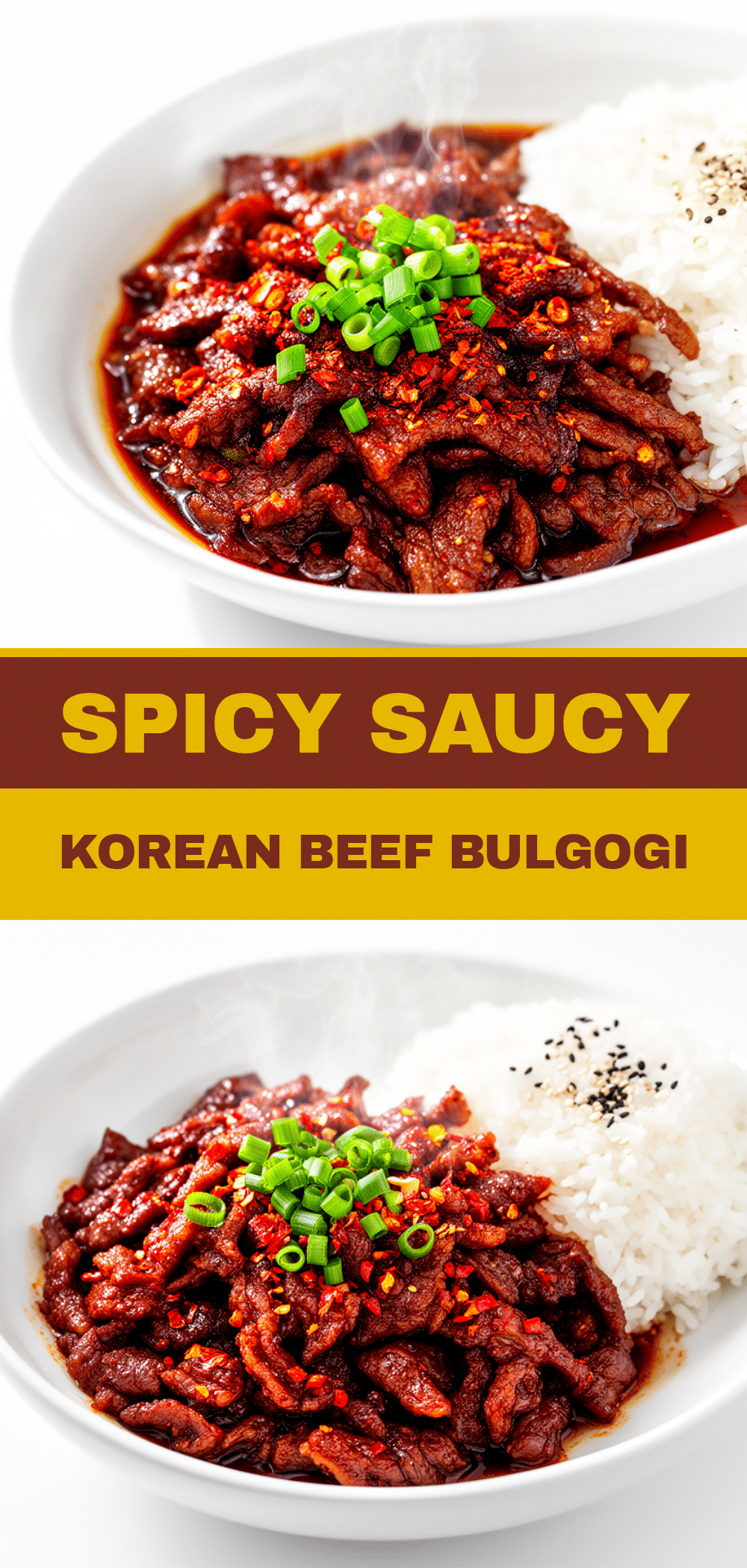
Spicy Korean Beef Bulgogi Recipe Easy 5-Step Family Favorite
- Total Time: 27 minutes
- Yield: 6 servings 1x
Description
A quick and easy spicy Korean beef bulgogi recipe with a perfect balance of sweet, spicy, and savory flavors. Ready in under 30 minutes, it’s a family-friendly weeknight favorite.
Ingredients
- 1 pound (450g) ground beef (80/20)
- 2 tablespoons (30g) gochujang (Korean chili paste)
- 1/4 cup (60ml) low-sodium soy sauce
- 2 tablespoons (25g) brown sugar
- 4 cloves garlic, minced (about 2 teaspoons)
- 1 tablespoon (6g) freshly grated ginger
- 1 tablespoon (15ml) toasted sesame oil
- 3 green onions, thinly sliced (about 45g)
- 1 tablespoon (15ml) rice vinegar
- 1/2 teaspoon freshly cracked black pepper
- 1/2 teaspoon red pepper flakes (optional)
- 1 tablespoon toasted sesame seeds (for garnish)
- Cooked white rice or lettuce wraps (to serve)
- Optional veggies: sliced bell peppers, shredded carrots, mushrooms
Instructions
- Mix the Marinade (5 minutes): In a large mixing bowl, combine gochujang, soy sauce, brown sugar, minced garlic, grated ginger, sesame oil, rice vinegar, black pepper, and red pepper flakes (if using). Whisk until sugar dissolves and sauce is smooth and glossy.
- Marinate the Beef (10 minutes): Add ground beef to the marinade and mix thoroughly. Let sit for at least 10 minutes, or up to 30 minutes for deeper flavor.
- Cook the Beef (10-12 minutes): Heat a large skillet over medium-high heat. Add marinated beef in an even layer and sear undisturbed for 3-4 minutes. Stir and break up beef, cooking another 6-8 minutes until browned and sauce thickens.
- Add Green Onions and Optional Veggies (2 minutes): Toss in sliced green onions and any quick-cooking veggies. Cook for 1-2 minutes until onions soften but remain crunchy.
- Serve and Garnish (1 minute): Serve hot over steamed white rice or in lettuce wraps. Sprinkle with toasted sesame seeds and extra green onions.
Notes
If sauce is too thick, add a teaspoon of water or soy sauce to loosen. If too thin, cook a bit longer to reduce. For extra char, use a grill pan. Adjust spice by varying gochujang and red pepper flakes. Fresh garlic and ginger are recommended for best flavor. Toast sesame seeds before garnishing for added crunch and aroma. Leftovers keep well refrigerated for up to 4 days; reheat gently with a splash of water or soy sauce. Not recommended to freeze due to texture changes.
- Prep Time: 15 minutes
- Cook Time: 12 minutes
- Category: Main Course
- Cuisine: Korean
Nutrition
- Serving Size: 1 serving (approxima
- Calories: 320
- Sugar: 8
- Sodium: 700
- Fat: 18
- Saturated Fat: 6
- Carbohydrates: 18
- Fiber: 2
- Protein: 22
Keywords: spicy Korean beef bulgogi, bulgogi recipe, Korean beef, ground beef bulgogi, easy Korean dinner, weeknight dinner, family favorite, gochujang recipe