It was one of those Tuesdays where the weight of the week felt like it had settled directly onto my shoulders. You know the kind. The emails piled up, the inbox was never truly empty, and by the time I walked through the door, my brain felt like static. I didn’t want to cook. I definitely didn’t want to clean up a complicated mess. But I knew that if I didn’t eat something real, I’d just spiral into takeout guilt and sleepless exhaustion.
I stood in the kitchen, staring at the pantry, feeling completely drained. That’s when I remembered this recipe. Not the heavy, cream-laden version I used to make when I was trying to impress people, but the real Roman carbonara. The one that relies on technique, not shortcuts. The one that forces you to slow down because you can’t rush the eggs.
There is something profoundly soothing about making authentic Italian carbonara. It’s not just dinner; it’s a ritual. It’s the act of whisking eggs and cheese until they’re smooth, the smell of guanciale sizzling gently, and the quiet focus required to turn hot pasta into a silky sauce without scrambling the eggs. It’s cooking as meditation. It’s the one to make when you need to take care of yourself because it asks for your attention, but gives back immediate comfort.
I’ve made this carbonara countless times since that night. Some weeks it’s my only source of joy; other weeks, it’s the anchor that keeps me grounded. It’s simple, yes, but it’s also deeply nourishing in a way that feels like a warm hug. If you’re feeling tired, stressed, or just need a moment to breathe, let’s make this together. Slowly. Gently. Perfectly.
Why This Carbonara Is Your New Comfort Ritual
When life feels chaotic, there’s nothing quite like the predictable, creamy comfort of a well-made carbonara. But this isn’t just about taste—it’s about the experience. Here’s why this recipe has become my go-to for self-care:
- It Forces You to Slow Down — You can’t rush the emulsion. The recipe demands patience. You have to wait for the water to boil, wait for the guanciale to render, wait for the pasta to cook. In a world that prizes speed, this recipe asks you to breathe.
- It’s Deeply Nourishing — There’s no hidden cream here. The richness comes from egg yolks, Pecorino Romano, and high-quality pork fat. It’s protein-rich, satisfying, and leaves you feeling fed rather than stuffed and sluggish.
- It’s Simple, Not Easy — The ingredient list is short—maybe five items. But each one matters. Using good ingredients makes the cooking process feel respectful and intentional. It’s not about chopping a dozen vegetables; it’s about honoring what you have.
- It’s a Quiet Victory — Getting the sauce right feels like a small win. When you toss the pasta and it turns into a glossy, creamy ribbon without a single curdle, you feel capable. You feel like you’ve made something beautiful out of simple things. That feeling stays with you long after the plate is empty.
- It’s Truly Roman — No peas. No bacon (unless you’re desperate, but even then, try to resist). No cream. This is the authentic way, which means it’s also the purest way. It tastes like Italy, even if you’re eating it in your pajamas at 8 PM.
This recipe isn’t about feeding a crowd or impressing anyone. It’s about feeding your soul. It’s the kind of meal that reminds you that you deserve good food, even on the hard days.
Ingredients You’ll Need
Before we start, let’s talk about what goes into the bowl. Authentic carbonara is minimalist. This means every ingredient has to be good. You can’t hide behind heavy cream or excessive cheese. If you’re making this for self-care, treat yourself to the best quality you can find.
For the Pasta and Sauce
Spaghetti or Rigatoni (1 pound / 450g) — I prefer spaghetti for that classic long-strand elegance, but rigatoni is great if you like to catch the sauce in the tubes. Use a good brand like De Cecco or Rummo. Cook it in plenty of water.
Guanciale (6-8 ounces / 170-225g) — This is cured pork jowl. It’s fatty, flavorful, and essential. If you can’t find it, pancetta is the next best option. Bacon is a last resort (and it’s smoked, which changes the flavor entirely), but if that’s all you have, use thick-cut, unsmoked bacon. Do not use the thin, crispy kind.
Egg Yolks (4 large yolks) — This is where the creaminess comes from. Yolks are richer than whole eggs and less likely to scramble. I use whole eggs sometimes, but for maximum luxury and silkiness, stick to yolks. Save the whites for meringues or garlic knots later.
Whole Eggs (1 large) — I add one whole egg to balance the richness of the four yolks. It adds a bit of structure so the sauce isn’t too heavy.
Pecorino Romano (1 cup / 100g, freshly grated) — This is a sharp, salty sheep’s milk cheese. It’s non-negotiable for authentic carbonara. Do not use Parmesan unless you’re out of Pecorino, but know that it will taste different. Grate it yourself. Pre-grated cheese has anti-caking agents that ruin the emulsion.
Freshly Cracked Black Pepper (2 teaspoons) — Generous amounts. The pepper should be visible in the sauce. It provides the “carbonara” (charcoal) bite.
Salt (for pasta water) — You’ll need a good amount. The water should taste like the sea.
Optional Add-ins for Extra Comfort
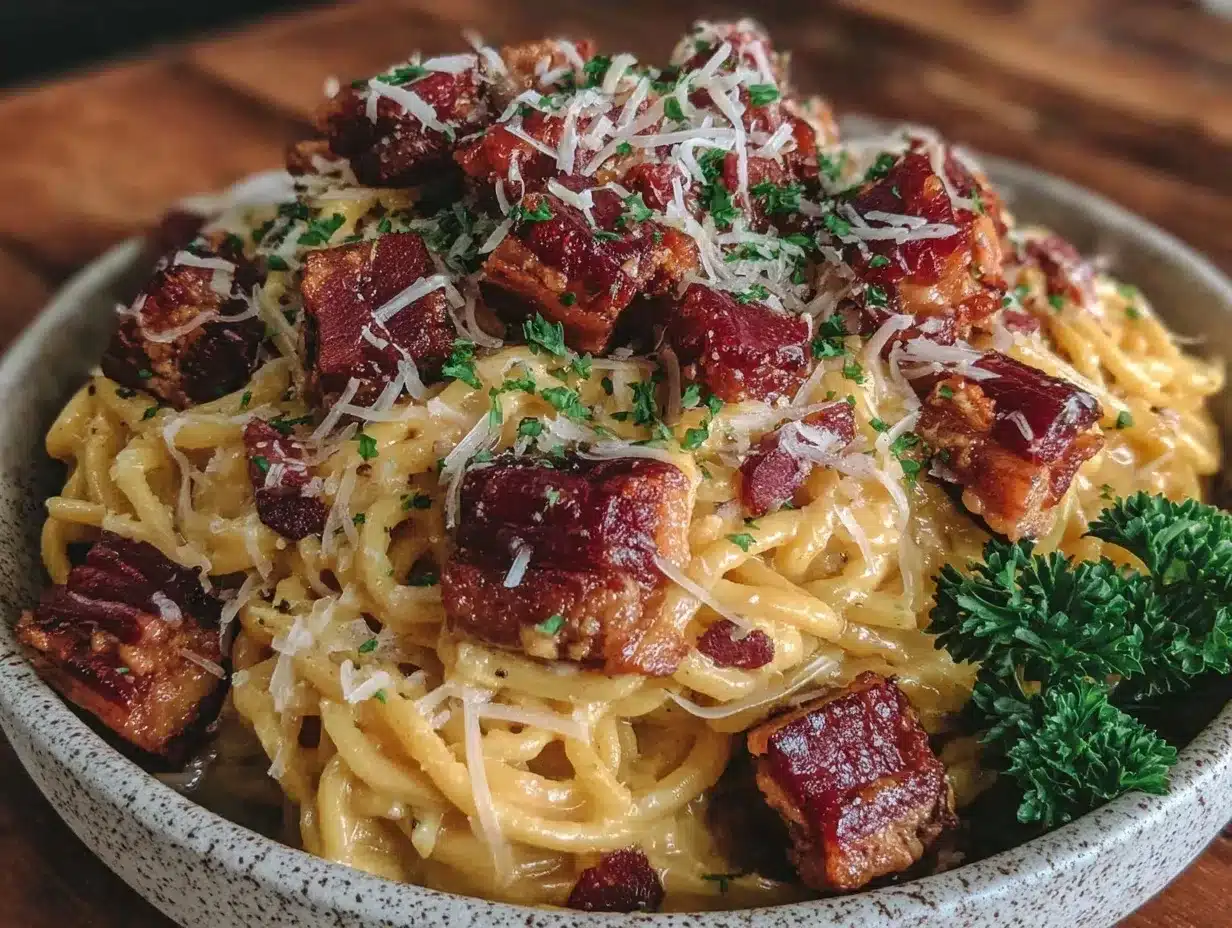
If you want to make this meal feel even more special, you can add a side of roasted vegetables. I often pair this with maple-glazed roasted sweet potatoes or a simple green salad with lemon dressing. The sweetness of the potatoes balances the salty pork perfectly.
Equipment You’ll Need
You don’t need fancy gadgets. Just a few reliable tools:
- Large Skillet or Dutch Oven — I use a 12-inch cast iron skillet. It holds heat well and lets you render the guanciale evenly. A heavy-bottomed stainless steel pan works too.
- Large Pot — For boiling the pasta. Make sure it’s big enough to give the noodles room to swim.
- Mixing Bowl — Medium-sized. For whisking the eggs and cheese. A wide bowl is easier to work with.
- Tongs — Essential for transferring pasta. I prefer metal tongs for better grip.
- Whisk — For the egg mixture. A small balloon whisk is perfect.
- Grater — A microplane is best for the cheese, but a box grater works. Fine grating ensures it melts smoothly.
- Heatproof Spatula — For stirring the pasta in the skillet.
Keep it simple. If your kitchen feels cluttered, take a moment to clear your counter before you start. A clean space helps create a calm mind.
How to Make It: Step-by-Step
Let’s make this together. There’s no rush. Move at your own pace. The goal is to make something beautiful, not to beat the clock.
Step 1: Prep the Guanciale (5 minutes)
Cut the guanciale into strips or cubes, about half an inch thick. Don’t worry about perfection. Toss them into your cold skillet. Starting with a cold pan helps the fat render slowly and evenly, preventing the meat from burning. Turn the heat to medium-low. Let it cook gently. This will take about 10-15 minutes. You’re looking for the fat to become translucent and the edges to turn golden and crisp. Listen to the sizzle. It’s a soothing sound.
Once done, remove the guanciale from the pan with a slotted spoon, leaving the rendered fat behind. Set the meat aside on a plate. Keep the skillet on the stove, heat off for now.
Step 2: Make the Carbocream (5 minutes)
While the guanciale cooks, whisk your eggs in the mixing bowl. Add the four yolks and the one whole egg. Whisk until smooth. Then, add the grated Pecorino Romano. Whisk again until it forms a thick, paste-like consistency. Add the black pepper. You want enough pepper that you can see the flecks. Taste a tiny bit (it’s salty, so be careful). Adjust if needed.
This mixture is your sauce. Keep it at room temperature. Do not put it in the fridge.
Step 3: Cook the Pasta (10 minutes)
Bring your large pot of water to a boil. Salt it generously—more than you think you need. Add the spaghetti or rigatoni. Cook according to package directions, but start checking it one minute early. You want it al dente, firm to the bite. It will finish cooking in the skillet.
Crucial Step: Before draining, scoop out one cup of the starchy pasta water. Set it aside. This liquid gold is what helps create the silky sauce.
Step 4: The Emulsion (5 minutes)
Turn the heat under your skillet with the guanciale fat to low. Add the cooked pasta directly to the skillet. Toss it in the fat for a minute to coat the noodles. This step infuses the pasta with flavor.
Now, the moment of truth. Turn off the heat. Let the pan cool for 30 seconds. You want it warm, not scorching hot. If the pan is too hot, the eggs will scramble. If you’re nervous, wait a full minute.
Pour the egg and cheese mixture over the pasta. Add a splash of the reserved pasta water (about ¼ cup). Immediately start tossing and stirring vigorously with your tongs or spatula. The residual heat will cook the eggs gently, creating a creamy sauce. Keep adding pasta water a tablespoon at a time until the sauce is glossy and coats the pasta like a ribbon.
Stir in the crispy guanciale. Be gentle. You don’t want to break the noodles.
Step 5: Serve Immediately
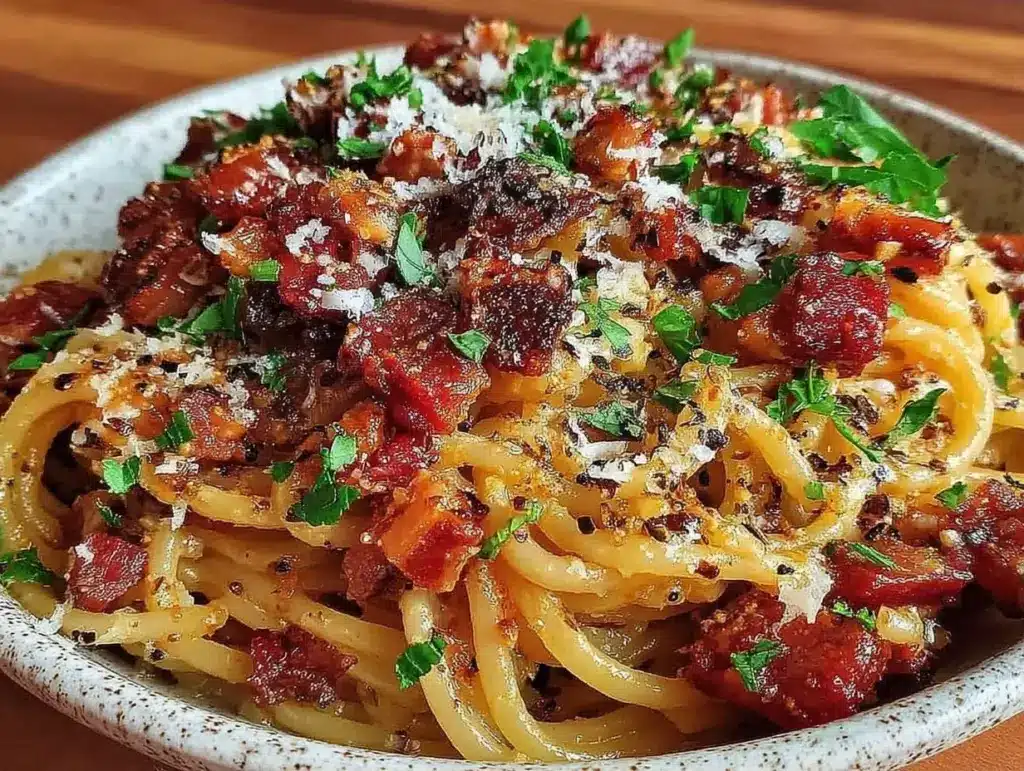
Plate the pasta while it’s hot. Top with extra Pecorino and a fresh crack of black pepper. Eat it right away. Carbonara waits for no one.
Take a deep breath. Look at what you made. It’s beautiful. It’s yours.
Expert Tips for Success
Here’s what I’ve learned from making this dozens of times. These tips will save you from stress and ruined dinners.
- Temperature Control is Everything — The biggest mistake is turning the heat on too high. The eggs cook at about 158°F (70°C). If your pan is above that, you’ll get scrambled eggs. Always turn off the heat before adding the eggs. If you’re unsure, let the pan sit for a full minute.
- Save That Pasta Water — Starchy water is the binder. Without it, your sauce will be clumpy. Add it gradually. You might not need all of it, but you’ll definitely need some.
- Use Freshly Grated Cheese — Pre-grated cheese contains cellulose, which prevents melting. It will make your sauce grainy. Buy a wedge of Pecorino and grate it yourself. It takes two minutes and makes a huge difference.
- Don’t Skimp on Pepper — The pepper is part of the flavor profile, not just a garnish. Use freshly cracked black pepper. Pre-ground pepper lacks the aromatic oils that make carbonara sing.
- Work Quickly but Calmly — Once you add the eggs, you have to move fast to emulsify the sauce, but don’t panic. Panic leads to heat. Keep your movements steady and confident.
Variations and Substitutions
Once you’ve mastered the base, you can tweak it to suit your mood or pantry.
- Pancetta instead of Guanciale — If you can’t find guanciale, pancetta is the next best authentic option. It’s leaner but still delicious.
- Bacon (The Compromise) — If you must use bacon, choose thick-cut, unsmoked bacon. Smoked bacon will overpower the delicate egg flavor. It’s not traditional, but it’s better than nothing.
- Add Spinach — For a pop of color and nutrients, toss in a handful of fresh spinach with the pasta in the last minute of cooking. It wilts down nicely.
- Vegetarian Version — Omit the pork. Use a splash of truffle oil or sautéed mushrooms for umami. It’s still creamy and satisfying.
- Gluten-Free — Use your favorite gluten-free pasta. Rice-based or corn-based pastas work well. Note that they can be softer, so drain them earlier.
Serving and Storage
This dish is best enjoyed immediately. Carbonara is at its peak the moment it leaves the pan. The sauce continues to thicken as it cools, and the texture changes.
If you have leftovers (unlikely, but possible), store them in an airtight container in the fridge for up to 2 days. Reheating is tricky. Do not microwave it directly, or the eggs will scramble. Instead, add the leftovers to a skillet with a splash of water or milk, heat on very low, and stir constantly until warm.
Pair this with a simple green salad with a light vinaigrette to cut the richness. Or, if you’re feeling indulgent, serve it with creamy au gratin potatoes for a double-carb comfort feast. But honestly, the carbonara is enough.
Nutrition Information
I’m not a nutritionist, but here’s a rough breakdown per serving (based on 4 servings):
- Calories: 650
- Protein: 25g
- Carbs: 70g
- Fat: 28g
- Sodium: 900mg (depends on cheese and pork)
This is a rich dish. It’s high in protein and fat, which keeps you full. The carbs come from the pasta. It’s not a “light” meal, but it’s nourishing. Enjoy it mindfully. Listen to your body. Stop when you’re satisfied, not stuffed.
Final Thoughts
Making authentic Italian carbonara is more than just cooking dinner. It’s a practice in presence. It’s about focusing on the sizzle of the pork, the smell of the pepper, and the transformation of simple ingredients into something luxurious. It’s a reminder that you can create beauty and comfort with your own hands, even on the hardest days.
So tonight, when you feel tired or overwhelmed, go to the kitchen. Turn down the lights. Put on some soft music. Make this carbonara. Let it be your act of self-care. You deserve it.
If you try this recipe, I’d love to hear how it went. Did it help you unwind? Did you get the emulsion right? Leave a comment below and share your experience. And if you need more comfort food ideas, check out my cozy fall creamy wild rice and mushroom casserole for another slow, soothing meal.
Happy cooking. Be kind to yourself.
Frequently Asked Questions
Why did my carbonara turn out scrambled?
This usually happens if the pan was too hot when you added the egg mixture. Always turn off the heat before pouring in the eggs. Let the pan cool for 30-60 seconds. The residual heat is enough to cook the eggs gently. If it does scramble, don’t panic. It still tastes good. Just stir in a splash of hot pasta water to try to smooth it out.
Can I use cream instead of eggs?
Technically, yes, but it’s not authentic carbonara. Traditional Roman carbonara uses no cream. The creaminess comes entirely from the emulsion of eggs, cheese, and pasta water. Using cream makes it a different dish (often called “Carbonara Bianca”). If you want authentic flavor and texture, stick to eggs.
What if I don’t have Pecorino Romano?
You can use Parmesan (Parmigiano-Reggiano), but it’s milder and sweeter. The sauce will taste different. Some people use a mix of both. But if you can, find Pecorino. It’s the key to that sharp, salty punch.
Can I make this ahead of time?
No. Carbonara is best made fresh. The sauce thickens and clumps as it cools. You can prep the ingredients (grate cheese, cut guanciale) ahead of time, but the actual cooking and tossing should be done right before eating.
Is guanciale hard to find?
It can be. Check your local Italian market or butcher shop. If you can’t find it, pancetta is the best substitute. Avoid smoking bacon if possible, as the smoke flavor clashes with the eggs.
Pin This Recipe!
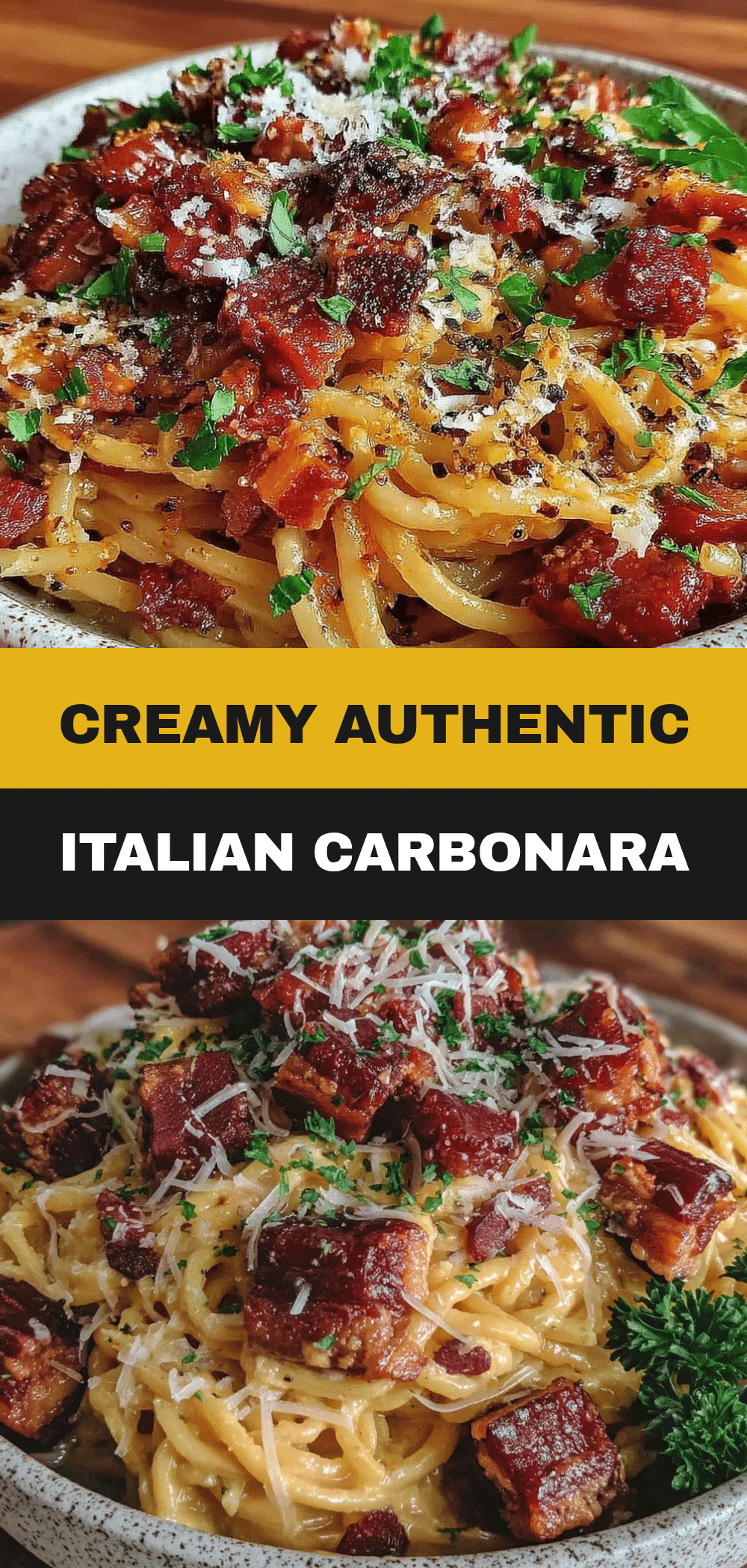
Authentic Italian Carbonara: The Self-Care Recipe You Need
- Total Time: 30 minutes
- Yield: 4 servings 1x
Description
An authentic Roman carbonara recipe that serves as a comforting ritual. This dish relies on technique rather than shortcuts, using guanciale, egg yolks, Pecorino Romano, and black pepper to create a silky, creamy sauce without heavy cream.
Ingredients
- 1 pound (450g) Spaghetti or Rigatoni
- 6–8 ounces (170-225g) Guanciale (cured pork jowl), cut into strips or cubes
- 4 large Egg Yolks
- 1 large Whole Egg
- 1 cup (100g) Pecorino Romano, freshly grated
- 2 teaspoons Freshly Cracked Black Pepper
- Salt (for pasta water)
- Reserved starchy pasta water (approx. 1 cup)
Instructions
- Cut the guanciale into strips or cubes. Place them in a cold large skillet or Dutch oven.
- Turn heat to medium-low and cook gently for 10-15 minutes until the fat renders, edges are golden and crisp, and the fat is translucent. Remove guanciale with a slotted spoon, leaving the fat in the pan. Set meat aside.
- While guanciale cooks, whisk the egg yolks and whole egg in a mixing bowl until smooth.
- Add the grated Pecorino Romano and black pepper to the eggs. Whisk until a thick, paste-like consistency forms. Set aside at room temperature.
- Bring a large pot of water to a boil. Salt generously (water should taste like the sea). Add pasta and cook until al dente, checking one minute early.
- Before draining, scoop out one cup of starchy pasta water and set aside.
- Turn the heat under the skillet with guanciale fat to low. Add the cooked pasta to the skillet and toss to coat in the fat for one minute.
- Turn off the heat completely. Let the pan cool for 30-60 seconds to ensure it is warm but not scorching.
- Pour the egg and cheese mixture over the pasta. Add a splash of reserved pasta water (about ¼ cup).
- Immediately and vigorously toss and stir the pasta with tongs or a heatproof spatula. The residual heat will cook the eggs gently into a creamy sauce.
- Continue adding pasta water a tablespoon at a time until the sauce is glossy and coats the pasta like a ribbon.
- Stir in the crispy guanciale. Plate immediately and top with extra Pecorino and black pepper.
Notes
Temperature control is critical; always turn off the heat before adding the egg mixture to prevent scrambling. Use freshly grated Pecorino Romano, as pre-grated cheese contains anti-caking agents that ruin the emulsion. Save starchy pasta water, as it is essential for creating the silky sauce. This dish is best eaten immediately.
- Prep Time: 5 minutes
- Cook Time: 25 minutes
- Category: Main Course
- Cuisine: Italian
Nutrition
- Serving Size: 1 plate
- Calories: 650
- Sugar: 2
- Sodium: 900
- Fat: 28
- Saturated Fat: 10
- Carbohydrates: 70
- Fiber: 3
- Protein: 25
Keywords: Italian carbonara, authentic carbonara, Roman carbonara, guanciale recipe, egg pasta, comfort food, self-care recipe, gluten-free option, vegetarian option