It’s 5:03 PM. The house is quiet (for now). The kids are doing homework at the kitchen island, which means they are already asking, “What’s for dinner?” and “Is it ready yet?” in that specific, high-pitched tone that can only be described as hungry desperation. I stare into the fridge. Inside, there’s a lone salmon fillet I forgot to thaw yesterday, a bag of broccoli that’s looking a little tired, and a jar of honey that’s about half full.
Most nights, this is the moment I panic. This is the moment I reach for the takeout menu or resign myself to eating cereal for dinner. But then I remember the honey garlic salmon sheet pan dinner. It’s become my secret weapon for these exact chaotic evenings. It’s sweet, it’s savory, it’s ready in 25 minutes, and the best part? There’s only one pan to wash.
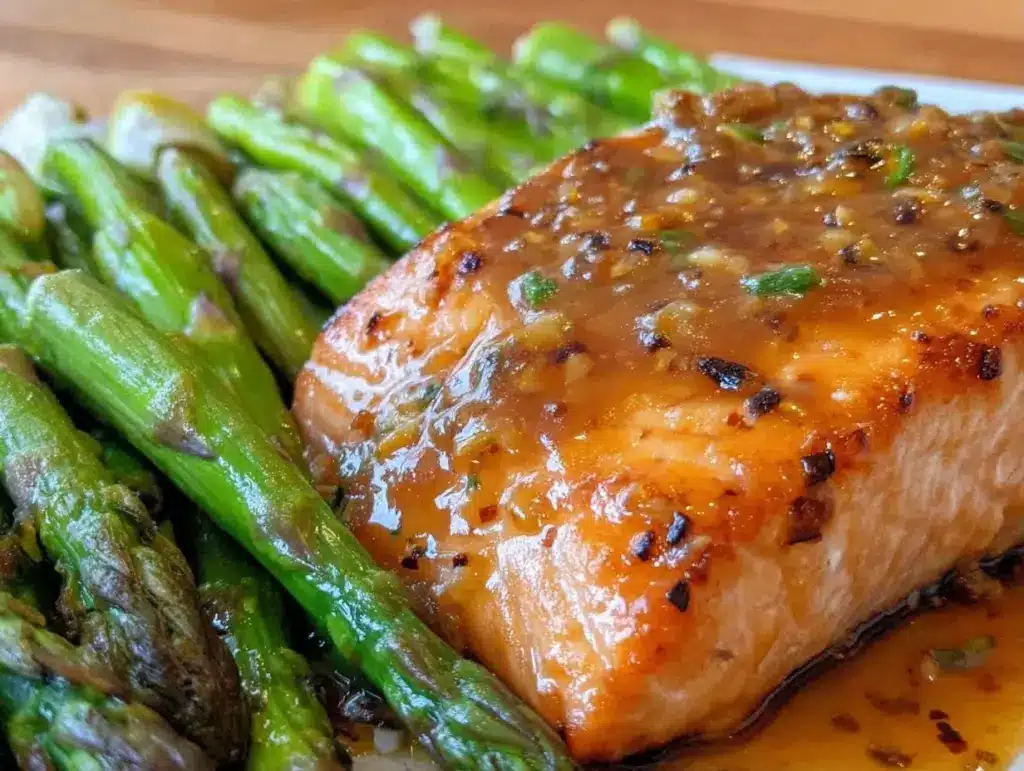
I’ve made this honey garlic salmon recipe at least a dozen times in the last three months. It’s not just because it’s easy (though it definitely is). It’s because it actually tastes like I spent time on it. The glaze caramelizes on the edges, the garlic gets fragrant without burning, and the salmon stays moist and flaky. It’s the kind of meal that makes my kids ask for seconds without even realizing they’re eating vegetables. If you’re tired of the 5pm dinner dread, trust me on this one. It’s going to save your weeknight sanity.
Why You’ll Love This Honey Garlic Salmon Sheet Pan Dinner
Look, I don’t have time for complicated techniques. I don’t have the energy for sautéing three different vegetables in separate pans while watching the clock. This honey garlic salmon sheet pan dinner is the holy grail of busy weeknight cooking for a few solid reasons:
- One Pan, Zero Stress — Seriously, just one baking sheet. I throw everything on there, drizzle the sauce, and put it in the oven. That’s it. No stirring pots, no watching pans, no standing over the stove. I can actually sit down and help with homework while this cooks.
- 25 Minutes Total — From opening the fridge to plating dinner, it takes 25 minutes. That’s faster than ordering delivery. And unlike delivery, I know exactly what’s in it. No mystery sauces or hidden sodium bombs.
- Flavor That Actually Works — Honey garlic sounds simple, but when you roast it, the sugars caramelize and the garlic gets nutty and sweet. It’s not just “salty fish.” It’s complex, sticky, and delicious. My husband, who usually complains about “fancy” fish, asks me to make this specifically.
- Flexible with Veggies — Got broccoli? Use it. Broccoli is gone? Throw in some asparagus or bell peppers. The sauce works with almost any vegetable you have lying around. It’s my go-to for using up that sad bag of produce in the crisper drawer.
- Kid-Approved — I know, I know, getting kids to eat fish is hard. But this glaze masks any “fishy” taste completely. It tastes like a treat. Sweet, sticky, familiar. If you need more kid-friendly weeknight wins, check out these honey roasted rainbow carrots—the kids love them too!
This recipe is my answer to “I’m tired but I want to feed my family something good.” It’s reliable, it’s fast, and it makes me look like a culinary genius when I’m barely trying.
Ingredients You’ll Need for Honey Garlic Salmon
Here’s the thing: you probably have almost all of this already. The beauty of this honey garlic salmon sheet pan dinner is how few ingredients it uses. I’m not asking you to run to the store for anything exotic. Here’s what you need:
For the Salmon and Veggies
Salmon fillets (1.5 to 2 pounds) — I use center-cut fillets because they cook evenly. Wild-caught is better if you can afford it, but farmed works fine too. Make sure they’re roughly the same size so they cook at the same rate. If they’re super thick, pound them down a bit with your hand.
Broccoli florets (2 large heads) — Broccoli is my go-to because it roasts up crispy and holds the sauce well. Cauliflower works too, or snap peas if you’re feeling fancy. Just chop them into bite-sized pieces.
Red bell pepper (1 large, sliced) — Adds a nice sweetness that balances the savory garlic. I like the color contrast too. Yellow or orange peppers work just as well.
Vegetable oil (2 tablespoons) — Just a light coating to help the veggies roast. Olive oil works, but I prefer vegetable or avocado oil because it has a higher smoke point.
For the Honey Garlic Glaze
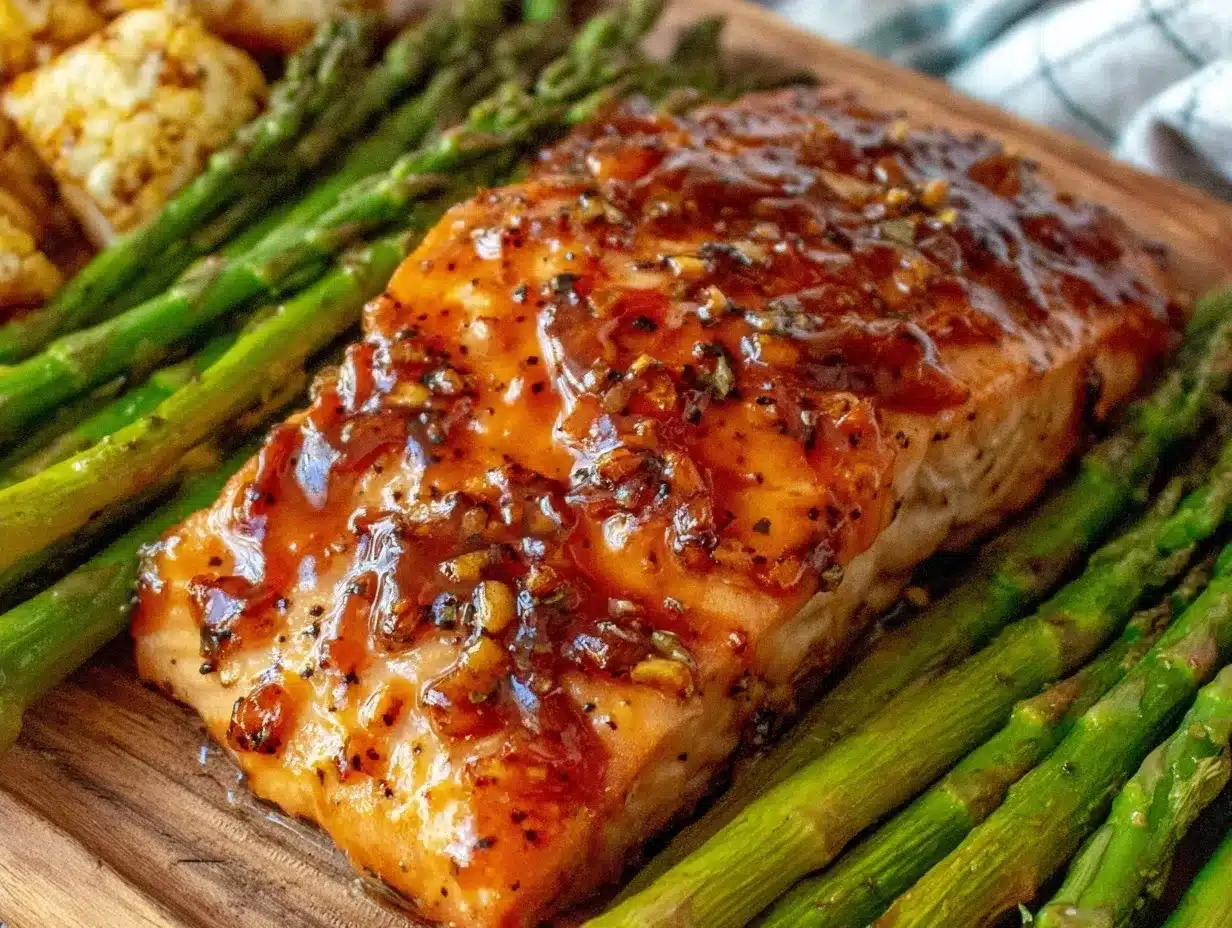
Honey (1/3 cup) — This is the star. Don’t use artificial honey; it doesn’t caramelize the same. Real honey gets sticky and golden. I keep a big jar of this in my pantry specifically for weeknight dinners.
Soy sauce (3 tablespoons) — Use low-sodium if you can. It gives that umami depth without making the whole dish taste like a salt lick. Tamari works if you need gluten-free.
Garlic (4-5 cloves, minced) — Yes, fresh garlic. Please, no jarred garlic for this. You need the fresh bite to balance the sweet honey. Mince it fine so it distributes evenly.
Ginger (1 teaspoon, freshly grated) — This is optional, but I highly recommend it. It adds a zesty kick that makes the sauce taste restaurant-quality. If you don’t have fresh ginger, a half-teaspoon of ground ginger works in a pinch.
Rice vinegar or lime juice (1 tablespoon) — A little acid cuts through the richness of the honey and salmon. Rice vinegar is traditional, but lime juice adds a nice citrusy twist if you’re in a hurry.
Red pepper flakes (1/2 teaspoon) — Just a pinch. I like a little heat to contrast the sweet. If your kids are spice-sensitive, you can skip this or use just a tiny sprinkle.
Sesame seeds (1 tablespoon, for garnish) — Not in the sauce, but on top when you serve. It adds texture and looks pretty. Toasted sesame seeds are best, but regular works fine.
Green onions (2, sliced) — For garnish. Adds a fresh, oniony pop at the end. If you don’t have green onions, chopped parsley works.
Steamed rice or noodles — I usually serve this over jasmine rice or udon noodles to soak up that extra sauce. If you’re doing low-carb, cauliflower rice works great. For a cozy side dish, I sometimes pair it with soft garlic knots if I want something extra carb-heavy and comforting.
Equipment Needed
You don’t need fancy tools for this. Here’s what I actually use:
Large baking sheet — I use a rimmed half-sheet pan. Make sure it’s big enough to fit the salmon and veggies in a single layer. If you have to crowd them, they’ll steam instead of roast. I have two large pans, so I can cook this easily. If you have a small oven, you might need to do two batches.
Small bowl — For whisking the glaze. Any small bowl works.
Whisk — To mix the honey, soy sauce, and garlic. A fork works if you’re lazy.
Pastry brush or spoon — To drizzle the sauce over the salmon and veggies. I just use a spoon for the veggies and a brush for the salmon.
Sharp knife and cutting board — For chopping the veggies and mincing garlic.
Parchment paper — Optional, but I always line my pan. Cleanup is instant. Just throw the paper away. No scrubbing.
How to Make Honey Garlic Salmon Sheet Pan Dinner
Alright, let’s get this on the table. I’m walking you through exactly how I do it, step by step. It’s simple, but there are a few tricks to keep the salmon moist and the veggies crispy.
Step 1: Prep Your Oven and Pan (2 minutes)
Preheat your oven to 400°F (200°C). Line your large baking sheet with parchment paper or foil for easy cleanup. I always use parchment—it’s worth the extra 30 seconds.
Step 2: Chop Your Veggies (5 minutes)
Wash and chop your broccoli and bell pepper. Cut the broccoli into florets that are roughly the same size. Slice the bell pepper into strips. I like to cut them slightly larger than bite-sized because they shrink a bit in the oven. Toss them in a large bowl with the vegetable oil and a pinch of salt and pepper. Mix it up so everything is lightly coated.
Step 3: Make the Glaze (2 minutes)
In a small bowl, whisk together the honey, soy sauce, minced garlic, grated ginger, rice vinegar, and red pepper flakes. It should look glossy and slightly thick. Taste it—if it’s too sweet, add a splash more vinegar. If it’s too salty, add a teaspoon of water. I usually leave it as is because it’s perfect.
Step 4: Arrange the Pan (3 minutes)
Pour the tossed veggies onto the prepared baking sheet. Spread them out in a single layer. You want space between them so they roast, not steam. Place the salmon fillets on the pan, nestled in between the veggies. If your fillets are very different sizes, put the smaller ones near the edges where it’s cooler.
Step 5: Sauce and Roast (15-18 minutes)
Brush the salmon fillets generously with about half of the honey garlic glaze. Drizzle the remaining glaze over the vegetables. Make sure the veggies get coated, but don’t drown them. Put the pan in the preheated oven.
Bake for 12-15 minutes. Check the salmon at the 12-minute mark. It’s done when it flakes easily with a fork and is opaque throughout. The veggies should be tender-crisp and slightly charred at the edges. If your salmon is very thick, it might need 18 minutes. If it’s thin, 12 might be enough. Trust your eyes.
Step 6: Garnish and Serve (2 minutes)
Remove the pan from the oven. Sprinkle with sesame seeds and sliced green onions. Let it rest for 2 minutes before serving. This helps the juices redistribute. Serve immediately with rice or noodles on the side. Spoon extra sauce from the pan over the top if you want it extra saucy.
Total Time: About 25 minutes (5 minutes prep, 20 minutes cooking).
Expert Tips for Perfect Honey Garlic Salmon
Here’s everything I’ve learned from making this dozens of times. These tips will save you from my mistakes.
Don’t Overcook the Salmon — This is the biggest mistake people make. Salmon continues to cook slightly after you take it out of the oven. Pull it when it’s just barely opaque in the center. It should flake easily but still look moist. If it’s dry and chalky, you waited too long.
Pat the Salmon Dry — Before you put it on the pan, pat the fillets dry with a paper towel. This helps the glaze stick better and prevents the fish from steaming in its own juices.
Use Fresh Garlic — I cannot stress this enough. Jarred garlic tastes metallic and flat in this glaze. Fresh minced garlic adds a bright, pungent flavor that balances the sweet honey. It takes 2 minutes to mince. Do it.
Char the Veggies — If you like your veggies with a bit of crunch and char, move them to the top rack for the last 2 minutes of cooking. Keep an eye on them so they don’t burn. The edges should be slightly blackened for that roasted flavor.
Save the Extra Sauce — If you have extra glaze left over, don’t throw it away. Boil it in a small saucepan for 2 minutes to thicken it into a dipping sauce. Drizzle it over the finished dish. It’s liquid gold.
Variations and Substitutions
Once you’ve nailed the basic version, here’s how you can mix it up. I’ve tried all of these.
Shrimp Version — Swap the salmon for large shrimp. Cook time is shorter—just 8-10 minutes. Toss the shrimp in the glaze at the end so they don’t overcook. It’s just as good.
Tofu Version — Use extra-firm tofu, pressed and cubed. Toss in the glaze and roast for 20 minutes. It gets crispy on the edges and soaks up the flavor. Great for vegetarians.
Gluten-Free — Swap soy sauce for tamari or coconut aminos. Everything else is naturally gluten-free. Check your honey label just in case, but most honey is safe.
Dairy-Free — This recipe is already dairy-free! Just make sure your soy sauce doesn’t have added wheat (use tamari). Serve with rice or noodles.
Spicy Kick — Add a tablespoon of sriracha or chili garlic sauce to the glaze. It turns it into a honey sriracha salmon, which is amazing. I love this version when I want more heat.
Other Veggies — Asparagus, snap peas, zucchini, and bell peppers all work great. Just chop them to similar sizes so they cook evenly. Avoid watery veggies like mushrooms or tomatoes—they’ll get soggy.
Serving and Storage
How to Serve: I usually serve this straight from the pan to the table. It looks rustic and stays warm. Pair it with jasmine rice, brown rice, or udon noodles. For a lighter option, serve over cauliflower rice. A simple green salad with lemon vinaigrette is also delicious on the side.
Leftovers: Store leftovers in an airtight container in the fridge for up to 3 days. The salmon will keep well, and the veggies get even more flavorful. Reheat gently in the microwave or a skillet with a splash of water to keep it moist.
Freezing: I don’t recommend freezing this. The salmon can get mushy when thawed, and the veggies lose their texture. It’s best fresh.
Nutrition Information
I’m not a nutritionist, but here’s the breakdown if you’re tracking. Per serving (based on 4 servings):
- Calories: 320
- Protein: 28g
- Carbs: 22g
- Fiber: 4g
- Sugar: 16g
- Fat: 12g
It’s high in protein and omega-3s from the salmon, and the veggies add fiber and vitamins. The sugar comes from the honey, but it’s natural. If you’re watching sugar, reduce the honey to 1/4 cup. It’s still delicious, just less sweet.
Final Thoughts
So that’s my honey garlic salmon sheet pan dinner! I’ve probably talked your ear off at this point, but when you make a recipe this often, you have a lot to say about it. This has saved weeknight dinners more times than I can count. It’s my answer to “what’s for dinner” when I’m tired, don’t want takeout, and still want something that tastes really good.
Make it yours! Try different veggies, adjust the spice level, or swap the protein. The best recipes are the ones you adapt to your family’s tastes. If you make this, drop a comment and let me know what you think! I love hearing how recipes turn out in your kitchen.
Happy cooking! And I hope your kitchen smells half as good as mine does right now.
Frequently Asked Questions
Can I use frozen salmon?
You can, but it’s tricky. If you use frozen salmon, make sure it’s completely thawed and patted very dry before cooking. Frozen salmon releases more water, which can make the glaze runny. Fresh is always better for this recipe. If you must use frozen, press out as much moisture as possible.
Why did my salmon dry out?
Most likely, you overcooked it. Salmon cooks fast! Check it at 12 minutes. It’s done when it flakes easily with a fork. If you’re not sure, use a meat thermometer—it should read 145°F. But honestly, pulling it at 140°F and letting it rest is safer for moisture.
Can I make this in the air fryer?
Yes! Cook at 400°F for 8-10 minutes. You might need to cook in batches if your air fryer is small. The veggies might need a few extra minutes, so add them to the basket first, then add the salmon halfway through.
What if I don’t have ginger?
It’s optional, but recommended. If you don’t have fresh ginger, skip it or use 1/2 teaspoon of ground ginger. The flavor will be slightly different, but still tasty. Garlic and honey are the stars anyway.
Can I double this recipe?
Yes, but you’ll need two baking sheets. Don’t crowd the pan, or the veggies will steam. Cook both sheets on the same rack, swapping positions halfway through. Cooking time stays the same.
Is this gluten-free?
Not with regular soy sauce. Swap soy sauce for tamari or coconut aminos, and it’s gluten-free. Everything else is naturally gluten-free.
Pin This Recipe!
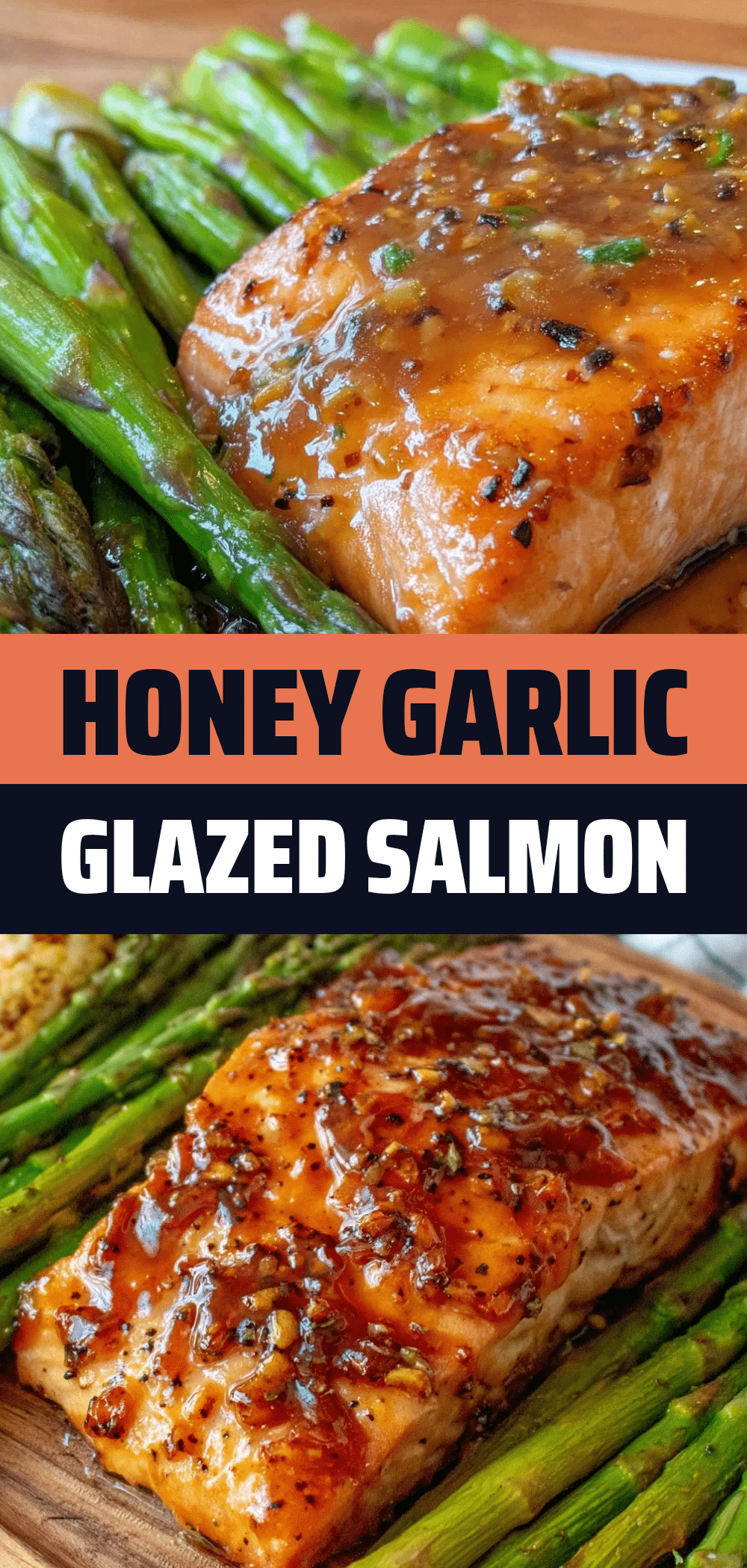
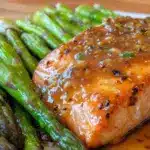
Honey Garlic Salmon Sheet Pan Dinner
- Total Time: 25 minutes
- Yield: 4 servings 1x
Description
A quick and easy 25-minute weeknight dinner featuring salmon and vegetables roasted on a single sheet pan with a sweet and savory honey garlic glaze.
Ingredients
- 1.5 to 2 pounds salmon fillets (center-cut)
- 2 large heads broccoli, cut into florets
- 1 large red bell pepper, sliced
- 2 tablespoons vegetable oil
- 1/3 cup honey
- 3 tablespoons soy sauce (or tamari for gluten-free)
- 4–5 cloves garlic, minced
- 1 teaspoon fresh ginger, grated
- 1 tablespoon rice vinegar or lime juice
- 1/2 teaspoon red pepper flakes
- 1 tablespoon sesame seeds (for garnish)
- 2 green onions, sliced (for garnish)
- Steamed rice or noodles (for serving)
Instructions
- Preheat oven to 400°F (200°C). Line a large rimmed baking sheet with parchment paper.
- Wash and chop broccoli and bell pepper. Toss vegetables in a bowl with vegetable oil, salt, and pepper until lightly coated.
- In a small bowl, whisk together honey, soy sauce, minced garlic, grated ginger, rice vinegar, and red pepper flakes.
- Spread the tossed vegetables onto the prepared baking sheet in a single layer. Place salmon fillets on the pan among the vegetables.
- Brush the salmon generously with about half of the honey garlic glaze. Drizzle the remaining glaze over the vegetables.
- Bake for 12-15 minutes, or until salmon flakes easily with a fork and is opaque throughout. Vegetables should be tender-crisp with slightly charred edges.
- Remove from oven, sprinkle with sesame seeds and green onions, and let rest for 2 minutes before serving with rice or noodles.
Notes
Pat salmon dry before cooking to help glaze stick. Do not overcrowd the pan to ensure vegetables roast rather than steam. Salmon continues to cook slightly after removal from the oven, so pull it when just barely opaque. For a spicy kick, add sriracha to the glaze. Leftovers can be stored in the fridge for up to 3 days.
- Prep Time: 10 minutes
- Cook Time: 15 minutes
- Category: Main Course
- Cuisine: Asian Fusion
Nutrition
- Serving Size: 1 fillet with vegeta
- Calories: 320
- Sugar: 16
- Sodium: 600
- Fat: 12
- Saturated Fat: 2
- Carbohydrates: 22
- Fiber: 4
- Protein: 28
Keywords: honey garlic salmon, sheet pan dinner, quick weeknight meals, healthy salmon recipe, easy dinner, gluten-free option, dairy-free