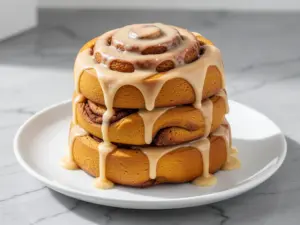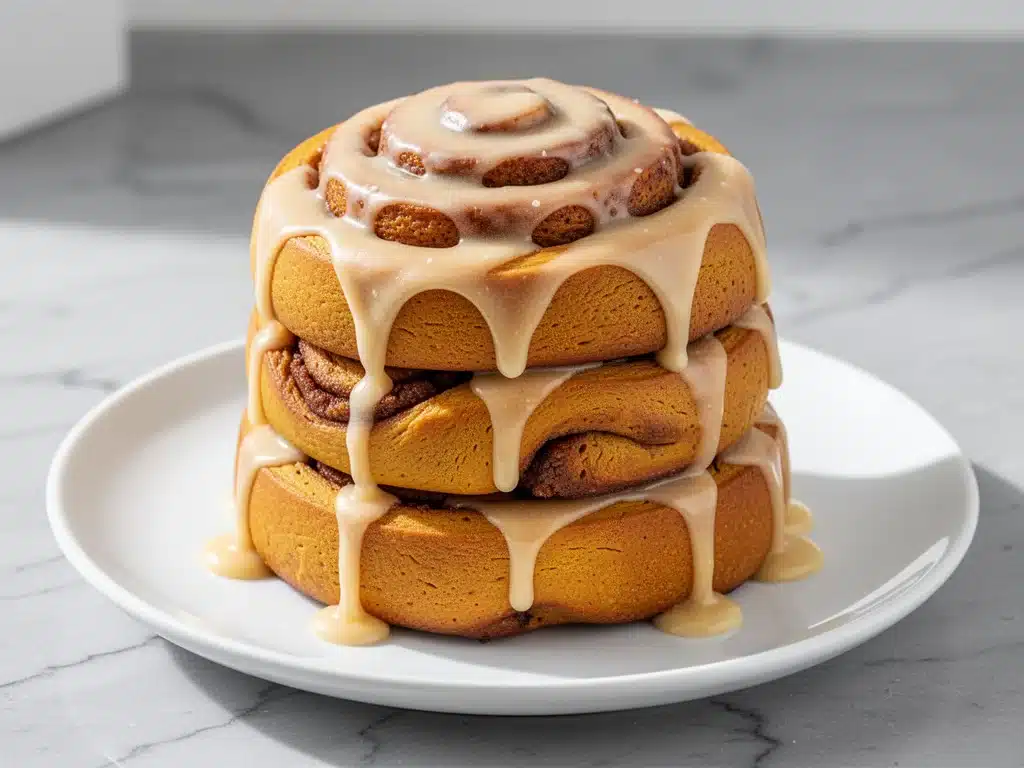
There is a specific kind of magic that happens when your kitchen starts smelling like a fall bakery at 6 a.m. on a Saturday. I remember one particular Thanksgiving morning a few years ago. I was running on three hours of sleep, the turkey was resting in the oven, and my in-laws were waking up. Panic set in. I didn’t have time to bake anything complex, so I grabbed a can of biscuit dough, stuffed it with pumpkin puree and cinnamon sugar, and threw them in the oven. They were… fine. Edible. But they lacked soul.
That “fine” breakfast haunted me. I knew I could do better. I knew there was a way to make something that felt special without requiring a degree in pastry arts or four hours of rising time. Fast forward to last weekend, when I decided to finally tackle the real deal. I wanted pumpkin cinnamon rolls with maple glaze that were soft enough to melt in your mouth, spiced just right, and sweet but not cloying. I tested the dough four times. I burned the first batch (oops), I over-proofed the second, and the third one was delicious but a bit dense. But the fourth? The fourth one was the one. It was pillowy soft, deeply autumnal, and when I drizzled that warm maple glaze over the top, my husband actually stopped chewing to give me a thumbs-up. That’s rare.
These aren’t just another holiday breakfast recipe. This is the kind of dish that turns a rushed morning into a memorable event. It’s easier than you think, and the house will smell like heaven for hours. If you’ve been looking for a show-stopping pumpkin cinnamon rolls with maple glaze your guests will love, you’ve found it. Let’s get baking.
Why You’ll Love This Recipe
I’ve made a lot of breakfast pastries over the years, from fluffy cinnamon swirl pancakes to dense bread pudding, but these pumpkin rolls occupy a special sweet spot. Here’s why they keep ending up on my weekend menu:
- Zero Fancy Equipment Needed — Seriously. You don’t need a stand mixer if you don’t want one. I’ve kneaded this dough by hand in less than ten minutes. If you have a mixer, great. If not, your arms will get a light workout and you’ll still get perfect results.
- Make-Ahead Friendly — This is the game-changer. You can mix the dough the night before, let it rise in the fridge, and bake them fresh in the morning. Imagine waking up to the smell of warm cinnamon instead of setting an alarm for 5 a.m. to prep.
- Real Pumpkin Flavor — Not just “pumpkin pie spice” masking bland dough. We’re using actual pumpkin puree in the dough, which adds moisture and a subtle earthiness that pairs perfectly with the warm spices. It’s not a cake; it’s a bread.
- Glaze That Actually Sets — A lot of cinnamon roll glazes are just sugar water that disappears into the crumb. This maple glaze has just enough butter and cream to create a thin, sweet crust that cracks slightly when you bite into it. It’s the contrast that makes it addictive.
- Perfect for Crowds — I usually make two batches for holidays. They travel well (if they survive the drive), and they reheat beautifully. I’ve served these at brunches for twelve people, and they were gone in ten minutes. No leftovers. Ever.
These rolls are my answer to “what’s for breakfast?” when I want to impress but also want to enjoy my own party. They’re cozy, they’re nostalgic, and they’re genuinely easy to pull off.
Ingredients You’ll Need
Here’s the thing about baking: measurements matter, but so does the quality of your basics. For these pumpkin cinnamon rolls with maple glaze, you don’t need a pantry full of obscure ingredients. You probably have most of this already. I’m particular about three things here: the yeast, the pumpkin, and the maple syrup. Let’s break it down.
For the Pumpkin Dough
Warm milk (1 cup / 240ml) — This needs to be warm, not hot. Think bathwater temperature (about 105-110°F / 40-43°C). If it’s too hot, it’ll kill the yeast. If it’s cold, it won’t activate. I test it on my wrist—it should feel warm, not hot.
Active dry yeast (2 packets / 2 ¼ teaspoons) — I always use active dry because it’s forgiving. Instant yeast works too, but you skip the blooming step. Don’t use old yeast! If it’s been in your cabinet for over six months, toss it. I’ve ruined batches before because I was too cheap to buy new yeast.
Granulated sugar (¼ cup / 50g) — This feeds the yeast and adds a little sweetness to the dough itself. Brown sugar works too and adds a deeper molasses note, but white sugar keeps the flavor clean.
Unsalted butter (¼ cup / 57g, melted) — Melted and slightly cooled. Don’t pour boiling butter into the milk; it’ll cook the yeast. Let it sit for a minute.
Large egg (1, at room temperature) — Room temp eggs incorporate better into the dough. If you forget, just drop the egg in a bowl of warm water for 5 minutes. Cold eggs can make the dough tough.
Pumpkin puree (½ cup / 120g) — IMPORTANT: Use canned 100% pure pumpkin puree, NOT pumpkin pie filling. Pie filling has sugar and spices already added, which will throw off the balance. I use Libby’s or a generic brand; they’re all pretty consistent.
Pumpkin pie spice (2 teaspoons) — This is your flavor backbone. Cinnamon, ginger, nutmeg, cloves. If you don’t have a pre-mixed blend, you can make your own (see variations below).
All-purpose flour (4 to 4 ½ cups / 500-560g) — This is where it gets tricky. Flour humidity varies. Start with 4 cups, add the rest gradually. You want a dough that is soft and slightly tacky but pulls away from the sides of the bowl. It shouldn’t be sticky like batter, but it shouldn’t be dry like playdough either.
Salt (1 teaspoon) — Essential for flavor and to control yeast activity. Don’t skip it.
For the Filling
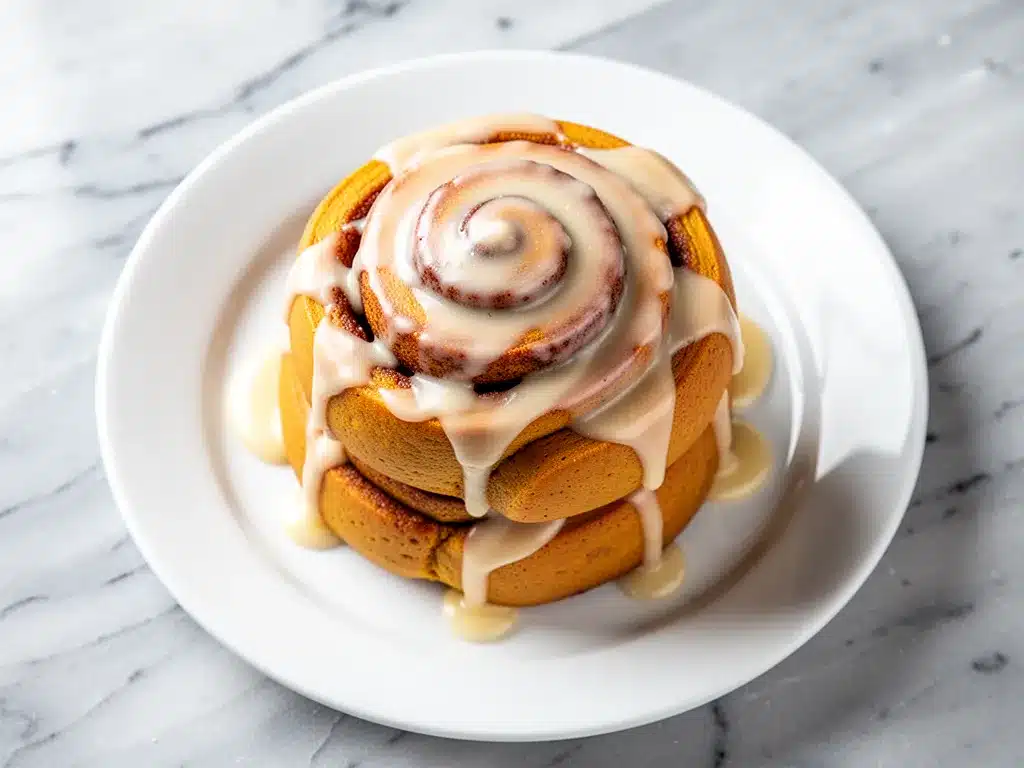
Unsalted butter (½ cup / 113g, softened) — Softened, not melted. You want to spread this easily. If it’s melted, it’ll soak into the dough instead of creating a distinct layer.
Brown sugar (1 cup / 200g, packed) — Dark brown sugar is best for that deep molasses flavor. Light works too, but dark is more “fall.”
Pumpkin pie spice (1 ½ teaspoons) — More spice in the filling means more punch in every bite.
For the Maple Glaze
Confectioners’ sugar (1 ½ cups / 180g) — Sifted. Lumps in powdered sugar are the enemy of smooth glaze.
Maple syrup (3-4 tablespoons / 45-60ml) — Use real maple syrup (Grade A or B). Avoid “maple-flavored syrup” which is just corn syrup. The difference in flavor is massive. I use a medium amber grade for a balanced taste.
Heavy cream (1-2 tablespoons / 15-30ml) — Adjusts consistency. Milk works too, but cream makes it richer.
Salt (a pinch) — Cuts the sweetness and highlights the maple.
Equipment Needed
You don’t need fancy gadgets for this. Here’s what I actually use in my kitchen:
Large mixing bowl — I use a 5-quart ceramic bowl. Any big bowl works as long as it has enough room for the dough to double.
Stand mixer or hand mixer — Optional. I use a stand mixer with a dough hook for convenience, but hand kneading is totally fine and gives you a better feel for the dough texture.
9×13 inch baking dish — Standard glass or metal pan. I prefer glass because it heats evenly. You can use two 9-inch round pans if you want individual portions, but a 9×13 is easier for cleanup.
Pastry brush — For brushing the melted butter on the rolled-out dough. Silicone brushes are great because they don’t shed bristles.
Dough scraper — Helpful for cleaning the bowl and handling the sticky dough, but a spatula works in a pinch.
Whisk — For the glaze. A small balloon whisk is perfect.
Instant-read thermometer — Not strictly necessary, but helpful for checking milk temperature if you’re unsure. If you’re feeling old-school, just trust your wrist.
How to Make It: Step-by-Step
Alright, let’s make this! I’m walking you through exactly how I do it, including the little tricks I’ve picked up over years of baking rolls.
Step 1: Bloom the Yeast (5 minutes)
In the bowl of your stand mixer (or a large measuring cup), combine the warm milk, sugar, and yeast. Stir gently and let it sit for 5-10 minutes. You’ll know it’s ready when it looks foamy and bubbly, like a head of beer. If it doesn’t bubble, your yeast is dead or your milk was too hot. Start over.
Step 2: Mix the Dough (5 minutes)
Add the melted butter, egg, pumpkin puree, pumpkin pie spice, and salt to the yeast mixture. Mix on low speed until combined. Gradually add the flour, one cup at a time, mixing on low. Once the flour is incorporated, increase speed to medium-low and knead for 5-7 minutes. The dough should be soft, smooth, and slightly tacky. If it’s sticking to your fingers, add a tablespoon of flour. If it’s dry and cracking, add a teaspoon of water.
Step 3: First Rise (1-2 hours)
Lightly grease a clean bowl with oil or butter. Place the dough in the bowl, turning it once to coat the top. Cover with plastic wrap or a damp towel. Let it rise in a warm spot until doubled in size. This takes about 1-2 hours, depending on your kitchen temperature. A warm oven (turned off) with the light on is a great spot.
Step 4: Roll and Fill (10 minutes)
Punch down the risen dough to release air bubbles. Turn it out onto a lightly floured surface. Roll it into a 12×16 inch rectangle. The edges don’t need to be perfect, but try to keep the thickness even. Spread the softened butter evenly over the surface, leaving a small border at the far edge. Sprinkle the brown sugar and pumpkin spice mixture evenly over the butter. Starting from the long edge closest to you, roll the dough up tightly like a jellyroll. Pinch the seam to seal.
Step 5: Cut the Rolls (5 minutes)
Using a sharp knife or dental floss (yes, floss!), cut the log into 12 equal rolls. I like to cut them in half first, then cut those halves in half again. Place them cut-side up in your greased 9×13 baking dish. Leave a little space between them so they can expand.
Step 6: Second Rise (30-45 minutes)
Cover the pan loosely and let the rolls rise again until puffy. They don’t need to double this time, just get fluffy. This takes about 30-45 minutes. Preheat your oven to 350°F (175°C) during the last 15 minutes of rising.
Step 7: Bake (20-25 minutes)
Bake the rolls until they are golden brown on top and cooked through. The centers should reach 190°F (88°C) if you’re using a thermometer. If they brown too quickly, tent them with foil. Let them cool in the pan for 10 minutes before glazing.
Step 8: Glaze and Serve
While the rolls cool, whisk together the powdered sugar, maple syrup, cream, and salt until smooth. Drizzle generously over the warm rolls. Serve immediately. They’re best fresh out of the oven.
Expert Tips & Tricks
Here’s everything I’ve learned from making these dozens of times. These tips will save you from my mistakes.
Don’t Over-Flour the Dough — This is the #1 mistake. It’s tempting to add more flour to stop stickiness, but that leads to dense, dry rolls. The dough should be soft and tacky. If it sticks to your hands, wet your hands instead of adding more flour.
Use Dental Floss for Cutting — A sharp knife can crush the rolls. Unflavored dental floss slides between the rolls without squishing them. Tie a knot around the roll, cross the ends, and pull tight. Clean cut every time.
Room Temperature Ingredients — Cold butter and eggs make the dough tough. Take them out of the fridge 30 minutes before you start. It’s worth the wait.
Glaze Timing Matters — Don’t glaze hot rolls (the glaze melts away) or cold rolls (the glaze becomes hard and crusty). Wait until they are just barely warm to the touch. This is the sweet spot.
Make-Ahead Strategy — You can assemble the rolls, cover them tightly, and refrigerate them overnight. In the morning, let them sit on the counter for 45 minutes to come to room temp and rise slightly, then bake as directed. Add 2-3 minutes to the bake time if they’re cold from the fridge.
Variations & Substitutions
Once you’ve nailed the basic version, here’s how you can mix it up. I’ve tried all of these.
Classic Cinnamon Roll — Skip the pumpkin puree in the dough and the pumpkin spice in the filling. Use just cinnamon and brown sugar. The dough will be slightly less moist, so keep an eye on the flour.
Pecan Praline — Sprinkle chopped pecans over the brown sugar before rolling. Drizzle with a caramel sauce instead of maple glaze after baking.
Spice It Up — Add a pinch of cardamom or allspice to the pumpkin pie spice for a more complex flavor profile.
Gluten-Free — Use a 1-to-1 gluten-free flour blend with xanthan gum. The dough may be stickier, so resist the urge to add more flour. Expect a slightly denser texture.
Dairy-Free — Use oat milk or coconut milk instead of dairy milk. Use coconut oil or vegan butter instead of dairy butter. Use a maple syrup glaze without cream (or use coconut cream). The texture will be slightly different but still delicious.
Mini Rolls — Cut the log into 24 mini rolls for appetizers or kid-sized portions. Bake time will be reduced to 12-15 minutes.
Serving & Storage
How to Serve: I usually serve these straight from the pan, warm and gooey. They pair beautifully with a cup of black coffee or a glass of cold milk. For a more festive spread, serve them alongside cheesy jalapeno cornbread muffins for a savory-sweet balance, or maple banana nut muffins for a double maple hit.
Toppings Bar: When I have guests, I put out extra maple syrup, crushed pecans, and a pinch of flaky sea salt. Everyone customizes their roll.
Refrigerator: Store leftovers in an airtight container for up to 3 days. The glaze will soften, which is fine.
Reheating: Microwave individual rolls for 20-30 seconds. They’ll be soft and warm. For multiple rolls, wrap them in foil and warm in a 300°F oven for 10 minutes. Avoid the microwave for more than one roll at a time—they can get tough.
Freezing: You can freeze baked and glazed rolls for up to 2 months. Thaw overnight in the fridge and reheat as above. You can also freeze the raw, risen rolls on a baking sheet, then transfer to a bag. Bake from frozen, adding 5-10 minutes to the bake time.
Nutrition Information
I’m not a nutritionist, but here’s the breakdown if you’re tracking. These are indulgent treats, so portion control is key!
Per Roll (based on 12 rolls):
- Calories: ~380
- Protein: 6g
- Carbs: 52g
- Fiber: 1g
- Sugar: 22g
- Fat: 14g
- Sodium: 250mg
What to Know: The carbs come from the flour and sugar. The fat comes from the butter and cream. The pumpkin adds a tiny bit of fiber and vitamins, but don’t count on this as a health food! It’s a treat. When I make these, I serve them as part of a larger breakfast with fruit or yogurt to balance the meal.
Final Thoughts
So that’s my go-to pumpkin cinnamon rolls with maple glaze! I’ve probably talked your ear off at this point, but when you make a recipe this often, you have a lot to say about it. These rolls have saved my holiday mornings more times than I can count. They’re my answer to “what’s for breakfast?” when I want to impress but also want to enjoy my own party. My family is happy, my guests are happy, and I’m happy because I’m not stressed about cooking.
Make it yours! Try different add-ins, swap in your favorite spices, or adjust the sweetness. The best recipes are the ones you adapt to your family’s tastes. If you make this, drop a comment and let me know what you think! I love hearing how recipes turn out in your kitchen. And if something doesn’t work, tell me that too—I’m here to help troubleshoot.
Happy baking! And I hope your kitchen smells half as good as mine does right now.
Frequently Asked Questions
Can I use instant yeast instead of active dry?
Yes! You can skip the blooming step with milk and sugar. Just mix the instant yeast directly with the dry ingredients (flour and salt). The rest of the method stays the same. Note: Instant yeast doesn’t need to be “activated,” so don’t worry if it doesn’t foam up.
Why did my rolls turn out dense?
This usually happens for one of two reasons: either you added too much flour (making the dough dry) or you didn’t let them rise long enough. Remember, the dough should be soft and tacky, not stiff. Also, make sure your kitchen is warm enough for the second rise. If it’s cold, the yeast works slower.
Can I make the dough ahead?
Absolutely. After the first rise, punch down the dough, wrap it tightly in plastic, and refrigerate for up to 24 hours. Let it come to room temperature and do the second rise before baking. This is great for meal prepping.
Why did my glaze run off the rolls?
If the rolls were too hot, the glaze melted into the crumb. If the glaze was too thin, it ran off. To fix: Let the rolls cool for 10-15 minutes before glazing. If your glaze is too thin, add more powdered sugar. If it’s too thick, add a few more drops of maple syrup or cream.
Can I use pumpkin pie filling instead of puree?
I don’t recommend it. Pumpkin pie filling is much sweeter and has added thickeners. If you must use it, reduce the sugar in the dough and glaze significantly, and expect a softer, cakier texture. Pure pumpkin puree gives you better control over the flavor and texture.
How do I store leftovers?
Store in an airtight container at room temperature for up to 3 days. If your kitchen is very hot, refrigerate them. Reheat in the microwave for 20-30 seconds before eating.
Pin This Recipe!
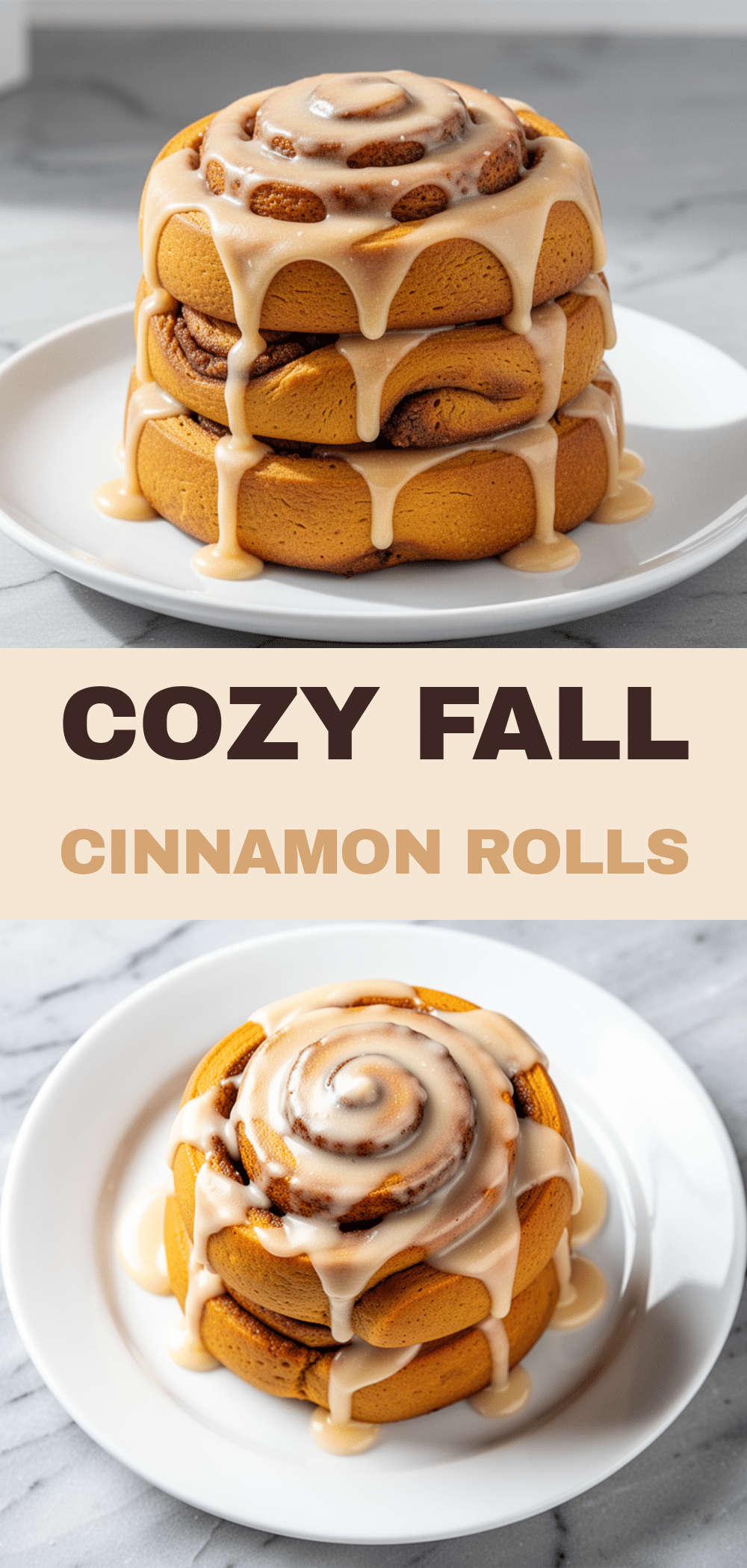
Pumpkin Cinnamon Rolls with Maple Glaze
- Total Time: 55 minutes
- Yield: 12 servings 1x
Description
Soft, pillowy pumpkin cinnamon rolls with a warm maple glaze. These make-ahead friendly rolls are perfect for holiday breakfasts and require no fancy equipment.
Ingredients
- 1 cup warm milk (105-110°F)
- 2 ¼ teaspoons active dry yeast (2 packets)
- ¼ cup granulated sugar
- ¼ cup unsalted butter, melted and cooled
- 1 large egg, room temperature
- ½ cup pumpkin puree (canned, 100% pure)
- 2 teaspoons pumpkin pie spice
- 4 to 4 ½ cups all-purpose flour
- 1 teaspoon salt
- ½ cup unsalted butter, softened (for filling)
- 1 cup packed brown sugar
- 1 ½ teaspoons pumpkin pie spice (for filling)
- 1 ½ cups confectioners’ sugar, sifted (for glaze)
- 3–4 tablespoons real maple syrup
- 1–2 tablespoons heavy cream
- Pinch of salt (for glaze)
Instructions
- Bloom the yeast: In a large bowl or measuring cup, combine warm milk, sugar, and yeast. Stir gently and let sit for 5-10 minutes until foamy.
- Mix the dough: Add melted butter, egg, pumpkin puree, 2 teaspoons pumpkin pie spice, and salt to the yeast mixture. Mix on low until combined. Gradually add flour, one cup at a time. Knead on medium-low for 5-7 minutes until dough is soft, smooth, and slightly tacky.
- First rise: Place dough in a greased bowl, turning to coat. Cover and let rise in a warm spot for 1-2 hours until doubled in size.
- Roll and fill: Punch down dough and roll into a 12×16 inch rectangle on a floured surface. Spread softened butter over the surface, leaving a border. Sprinkle with brown sugar and 1 ½ teaspoons pumpkin pie spice. Roll tightly from the long edge and pinch seam to seal.
- Cut the rolls: Cut the log into 12 equal rolls using a sharp knife or dental floss. Place cut-side up in a greased 9×13 inch baking dish.
- Second rise: Cover loosely and let rise for 30-45 minutes until puffy. Preheat oven to 350°F (175°C) during the last 15 minutes.
- Bake: Bake for 20-25 minutes until golden brown and centers reach 190°F. Tent with foil if browning too quickly. Cool in pan for 10 minutes.
- Glaze and serve: Whisk confectioners’ sugar, maple syrup, cream, and pinch of salt until smooth. Drizzle over warm rolls and serve immediately.
Notes
Use canned 100% pure pumpkin puree, not pumpkin pie filling. For cutting, dental floss provides cleaner cuts than a knife. Do not over-flour the dough; it should be tacky. Glaze rolls when they are barely warm, not hot or cold. Can be made ahead: assemble rolls, refrigerate overnight, let sit for 45 minutes before baking.
- Prep Time: 30 minutes
- Cook Time: 25 minutes
- Category: Breakfast
- Cuisine: American
Nutrition
- Serving Size: 1 roll
- Calories: 380
- Sugar: 22
- Sodium: 250
- Fat: 14
- Saturated Fat: 8
- Carbohydrates: 52
- Fiber: 1
- Protein: 6
Keywords: pumpkin cinnamon rolls, maple glaze, holiday breakfast, make-ahead breakfast, pumpkin recipe, cinnamon rolls, fall baking