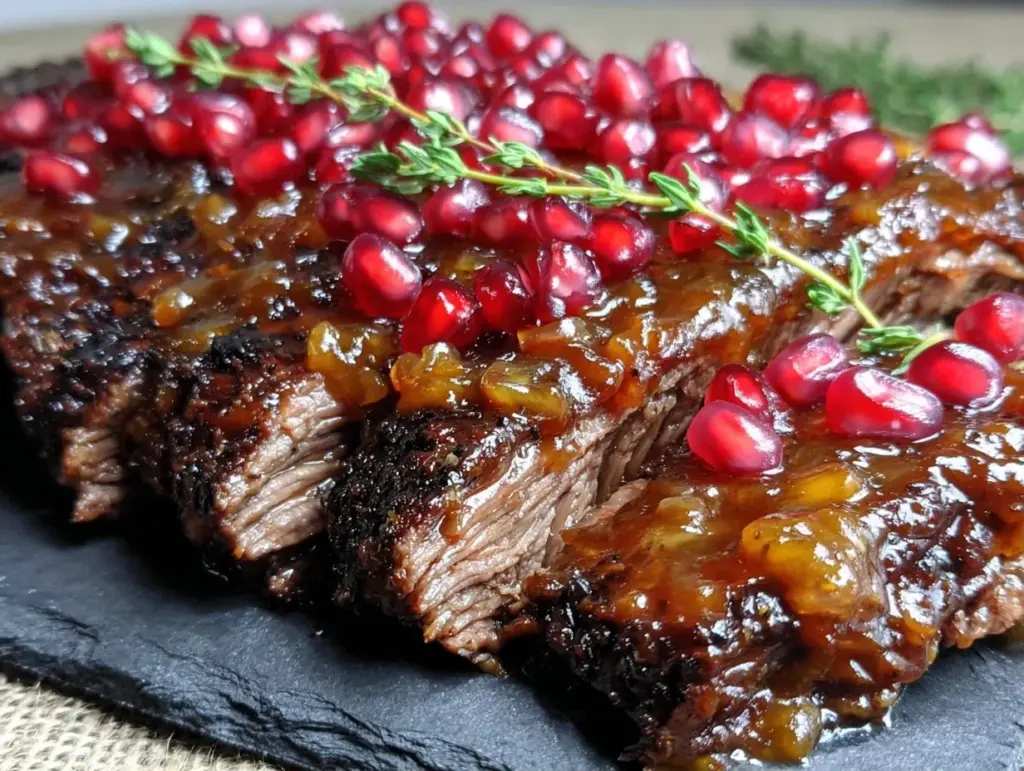
I still remember the year my mother-in-law decided that traditional brisket just wasn’t “modern” enough. She brought out a plate that looked like something from a high-end steakhouse, glistening with a deep, ruby-red glaze. I took one bite and immediately thought, Why didn’t I think of this? The sweetness of the pomegranate cut through the richness of the beef in a way I’d never experienced, and the texture was so tender it practically melted on my tongue.
That was ten years ago. Since then, I’ve made this Rosh Hashanah Pomegranate Glazed Brisket for every single Rosh Hashanah, and honestly, it’s the only dish my family actually asks me to make again. It’s not just because it tastes incredible (though it does). It’s because it’s incredibly forgiving. You really can’t mess this up. If you can chop an onion and stir a pot, you can pull this off. It’s foolproof, it’s minimal in its technique, and it delivers maximum flavor.
There’s something deeply comforting about slow-cooking a big cut of meat while the house fills with the scent of caramelized sugar and savory herbs. It sets the tone for the holidays. It says, “We’re taking it easy, we’re celebrating, and we’re eating well.” Plus, the pomegranate molasses gives it that symbolic sweetness we look for in the new year, without being cloying. It’s balanced. It’s sophisticated-looking but dead simple to make.
I’ve tested this recipe enough times to know exactly where people trip up, and I’m going to save you those mistakes. This isn’t a complicated culinary project. It’s just good food, made simply. If you’re looking for a centerpiece that impresses your in-laws, comforts your kids, and keeps you sane in the kitchen, this is it.
Why You’ll Love This Holiday Brisket
Let’s be real: cooking for a holiday crowd is stressful. You want everything to taste amazing, but you don’t want to spend your entire Rosh Hashanah standing over the stove. This brisket solves that problem. Here’s why it’s become my absolute go-to:
- Zero Stress, Maximum Flavor — Seriously, if you can boil water and chop an onion, you can make this. I’ve walked my teenage niece through it over FaceTime, and she nailed it. The slow-cooking method does all the heavy lifting for you.
- Ingredients You Actually Have — You probably have most of the glaze ingredients already. Pomegranate molasses is the star, but it’s easy to find now, or you can sub it easily. The rest is pantry basics like brown sugar, garlic, and spices.
- It Tastes Better the Next Day — I’m not kidding. The flavors meld overnight in the fridge. When you reheat it on Tuesday, it’s even richer and more tender than it was on Monday. I deliberately make extra for lunch throughout the week.
- Beginner-Proof — There are no tricky techniques here. No searing that might burn, no precise temperature monitoring required. You throw it in the pot, set a timer, and wait. You really can’t mess this up.
- Symbolic and Delicious — The pomegranate represents a sweet new year, which is perfect for Rosh Hashanah. But beyond the symbolism, it adds this bright, tart-sweet complexity that balances the heavy beef perfectly.
This is my go-to when I need dinner to just work. No complicated techniques, no weird ingredients, just reliable, delicious food that makes everyone happy. And if you’re looking for a dessert to finish the meal, my Rosh Hashanah Honey Apple Cake is the perfect pairing. But the brisket? That’s the star of the show.
Ingredients You’ll Need
Here’s the best part: you probably have most of this already. This isn’t a recipe that requires a special trip to three different specialty stores. It’s simple, honest ingredients that do big things.
For the Brisket Base
Beef brisket (3-4 pounds / 1.5-2 kg) — Go for a flat cut if you can find it. It’s leaner and easier to slice uniformly. Ask your butcher to trim the excess fat, but leave a little bit—it adds flavor. If you can’t find flat cut, a point cut works too, just expect it to be richer.
Yellow onion (2 large, sliced / about 400g) — Don’t skip the onions. They’ll caramelize into the sauce and provide a sweet, savory base. Slice them thin so they break down nicely.
Garlic (6 cloves, minced / about 2 tablespoons) — Yes, six cloves. Don’t skimp. Fresh only—no jarred garlic in this recipe. It makes a huge difference in the final flavor.
Beef broth (1 cup / 240ml) — I use low-sodium so I can control the salt. Vegetable broth works for a vegetarian version, though the flavor profile shifts slightly.
For the Pomegranate Glaze
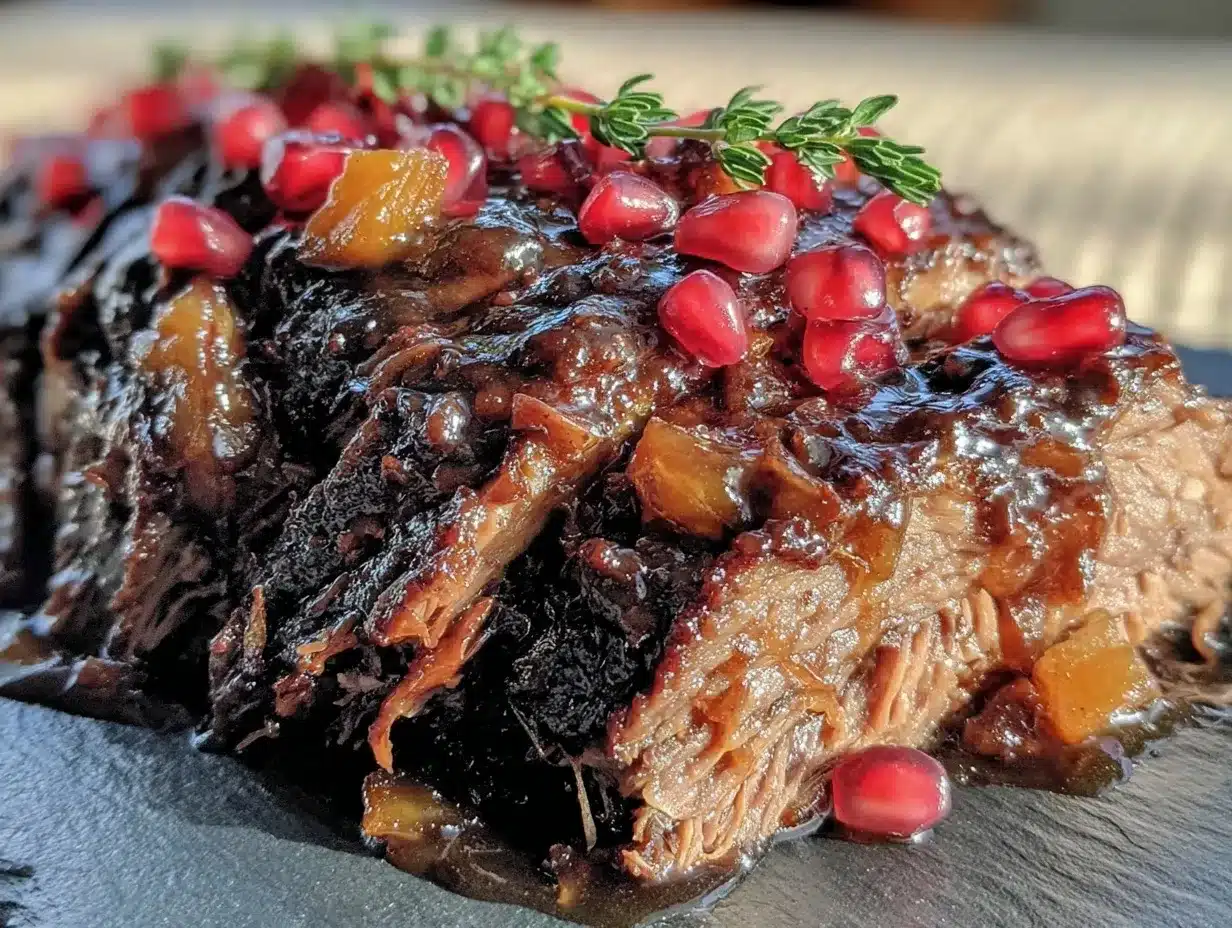
Pomegranate molasses (½ cup / 120ml) — This is the secret weapon. It’s thick, tart, and sweet. If you can’t find it, you can make a quick sub (see below), but fresh is best. Look in the international aisle or Middle Eastern markets.
Brown sugar (½ cup / 100g, packed) — Dark brown sugar is better here because it has more molasses, which complements the pomegranate. Light brown works, too.
Apple cider vinegar (2 tablespoons / 30ml) — Adds brightness to cut through the sweetness. Regular white vinegar works, but cider is smoother.
Worcestershire sauce (1 tablespoon / 15ml) — Adds umami and depth. It’s subtle, so don’t worry, it won’t taste fishy.
Ground cumin (1 teaspoon) — Adds a warm, earthy note that pairs beautifully with beef.
Smoked paprika (1 teaspoon) — This gives it that subtle “grilled” flavor, even though it’s slow-cooked. It’s a game-changer.
Salt and black pepper (to taste) — Use kosher salt if you have it. It’s easier to control.
Optional Add-ins
Carrots (2 large, chopped) — I throw these in for sweetness and color. They get soft and delicious.
Red pepper flakes (½ teaspoon) — If you like a little kick, add this. It balances the sweetness nicely.
Fresh parsley (for garnish) — Adds a pop of color and freshness when you serve it.
Common Questions
Can I use pomegranate juice instead of molasses? You can, but it will be much sweeter and thinner. You’ll need to simmer it longer to reduce, and it won’t have that tart punch. Molasses is worth the hunt.
Equipment Needed
You don’t need fancy equipment for this. Here’s what I actually use:
- Large Dutch oven or heavy-bottomed pot — I use a 6-quart pot. It needs to fit the brisket comfortably in a single layer. My ancient pot from college still works fine.
- Sharp knife — For chopping onions and garlic. Dull knives make you cry more—learned this the hard way.
- Cutting board — Any size works. I use plastic for easier cleanup.
- Wooden spoon — For stirring. Silicone works too. Don’t use metal on non-stick if you’re using one.
- Measuring cups and spoons — Pretty standard stuff. Dollar store versions work fine.
- Serving platter — Something big and pretty. This dish looks rustic, so a wooden board or a large ceramic platter works well.
Pro Tip: Don’t have a Dutch oven? Any big pot with a tight-fitting lid works. The key is retaining moisture during the long cook.
How to Make It: Step-by-Step
Alright, let’s make this! I’m walking you through exactly how I do it, including the little tricks I’ve picked up.
Step 1: Prep Your Ingredients (5-8 minutes)
Before you start cooking, slice your onions and mince your garlic. I know it seems fussy, but it makes the actual cooking way less stressful. Grate your ginger if you’re using it (optional, but good). Measure out your glaze ingredients in a bowl so you’re ready to pour.
Step 2: Sear the Brisket (5-7 minutes)
Pat the brisket dry with paper towels. This is crucial for a good sear. Season generously with salt and pepper. Heat a little oil in your Dutch oven over medium-high heat. Place the brisket in the pot and sear for 3-4 minutes per side until it’s browned. You don’t need to cook it through, just get that crust. Remove the meat and set it aside on a plate.
Step 3: Sauté the Aromatics (3-4 minutes)
Lower the heat to medium. Add the sliced onions to the same pot. Cook for 3-4 minutes until they start to soften and turn translucent. Add the minced garlic and cook for 1 more minute, stirring constantly. The garlic should smell amazing but not brown—browned garlic tastes bitter.
Step 4: Build the Sauce (2 minutes)
Return the brisket to the pot, fat-side up. Pour in the beef broth, pomegranate molasses, brown sugar, apple cider vinegar, Worcestershire sauce, cumin, and smoked paprika. Stir everything together, scraping up any browned bits from the bottom of the pot. Those bits are flavor gold.
Step 5: The Long Cook (2-3 hours)
Cover the pot with a tight-fitting lid. Place it in an oven preheated to 325°F (165°C). Cook for 2 to 3 hours, depending on the thickness of the brisket. It’s done when you can pierce it easily with a fork and it’s falling apart. Don’t rush this. Low and slow is the only way.
Step 6: Make the Glaze (5-10 minutes)
Remove the pot from the oven. Carefully transfer the brisket to a cutting board and tent it with foil. Pour the cooking liquid into a saucepan. Skim off any excess fat from the top. Bring it to a boil over medium heat and simmer for 5-10 minutes until it reduces and thickens into a glaze. This concentrates the flavor.
Step 7: Slice and Serve
Slice the brisket against the grain into thin slices. Arrange them on a platter and drizzle the thickened glaze over the top. Garnish with fresh parsley if you like. Serve immediately.
Total Time: About 3.5 hours (mostly hands-off)
Expert Tips & Tricks
Here’s everything I’ve learned from making this dozens of times. These tips will save you from my mistakes.
- Against the Grain — This is the #1 rule for tender brisket. Look at the direction the muscle fibers run, and cut perpendicular to them. If you cut with the grain, it’ll be tough and chewy. Trust me.
- Don’t Skip the Sear — It’s tempting to just throw the meat in, but searing adds depth of flavor through the Maillard reaction. It makes the sauce richer.
- Reduce the Sauce — Don’t just pour the thin cooking liquid over the meat. Simmer it down to a glaze. It’ll cling to the meat better and taste more intense.
- Rest the Meat — Let the brisket rest for 10 minutes after taking it out of the oven. This lets the juices redistribute so they don’t run out when you slice it.
- Freeze the Fat — If your sauce is too greasy, put it in the fridge for 15 minutes. The fat will solidify on top, and you can easily skim it off.
Pro Trick: For extra richness, add a tablespoon of cold butter to the glaze at the very end and swirl it in. Makes it glossy and restaurant-quality.
Variations & Substitutions
Once you’ve nailed the basic version, here’s how you can mix it up. I’ve tried all of these.
- No Pomegranate Molasses? Mix ½ cup pomegranate juice with 1 tablespoon lemon juice and 1 tablespoon honey. Simmer until thickened. It’s not the same, but it works.
- Spicy Version Add 1 teaspoon of cayenne pepper or red pepper flakes to the glaze. Great if you like heat.
- Veggie Boost Add chopped carrots, parsnips, or potatoes to the pot with the onions. They’ll cook in the sauce and absorb all the flavor.
- Slow Cooker Method Sear the meat, then dump everything into the slow cooker. Cook on low for 8 hours. Same result, less oven space.
- Instant Pot Sear, then pressure cook for 60 minutes. Natural release for 15 minutes. Fastest method, but you miss the slow-caramelized onions.
Serving & Storage
How to Serve: I usually serve this straight from the platter at the dinner table. It looks rustic and stays warm. Pair it with my creamy garlic mashed cauliflower for a low-carb side, or serve with fluffy soft garlic herb pull-apart rolls to soak up the sauce.
Storage: Store leftovers in an airtight container in the fridge for up to 4 days. The sauce will thicken in the fridge—totally normal.
Reheating: Best method: Add to a skillet with a splash of broth or water over low heat. Stir until heated through. Microwave works too, but add a splash of liquid first to prevent drying out.
Nutrition Information
I’m not a nutritionist, but here’s the breakdown if you’re tracking. Per serving (based on 8 servings):
- Calories: 450
- Protein: 35g
- Carbs: 18g
- Fat: 22g
- Sodium: 650mg
Look, this is comfort food. It’s rich and satisfying. But it’s also made with real ingredients, and you control the sugar. When I want to make it lighter, I skim the fat off the sauce and serve it with extra vegetables instead of potatoes. But usually? I just eat a reasonable portion and enjoy it.
Final Thoughts
So that’s my go-to Rosh Hashanah Pomegranate Glazed Brisket! I’ve probably talked your ear off at this point, but when you make a recipe this often, you have a lot to say about it.
This has saved holiday dinners more times than I can count. It’s my answer to “what’s for dinner” when I want to impress but don’t want to stress. My family is happy, my guests are impressed, and I’m happy because I’m not stressed about cooking.
Make it yours! Try different spices, add your favorite veggies, or adjust the sweetness. The best recipes are the ones you adapt to your family’s tastes. If you make this, drop a comment and let me know what you think! I love hearing how recipes turn out in your kitchen.
Happy cooking! And I hope your kitchen smells half as good as mine does right now.
Frequently Asked Questions
Can I use pomegranate juice instead of molasses?
You can, but the flavor will be different. Molasses is tart and thick, while juice is just sweet. If you use juice, you’ll need to reduce it longer to get a glaze consistency, and add a splash of lemon juice for tartness. It’s not the same, but it works in a pinch.
Why is my brisket tough?
Usually, this means it wasn’t cooked long enough. Brisket needs time to break down the connective tissue. If it’s still tough, put it back in the oven for another 30-60 minutes. Also, make sure you’re slicing it against the grain.
Can I make this ahead?
Absolutely. In fact, it often tastes better the next day. Make it up to 2 days ahead, store the meat and sauce separately in the fridge. Reheat gently and combine before serving. This saves you so much stress on the day of.
Can I freeze this?
Yes, brisket freezes well. Store it in an airtight container for up to 3 months. Thaw in the fridge overnight and reheat gently. The sauce might separate slightly, but a whisk or blender will bring it back together.
What side dishes go well with this?
I love serving this with roasted root vegetables, like my fall sheet pan sausage and root veggies (minus the sausage). A simple green salad with a tart vinaigrette also cuts through the richness nicely. And for dessert, the Rosh Hashanah Honey Apple Cake is a classic pairing.
How do I slice brisket properly?
Look for the direction of the muscle fibers. Slice perpendicular to them, about ¼ inch thick. This ensures each bite is tender. If you slice with the grain, it’ll be chewy.
Pin This Recipe!
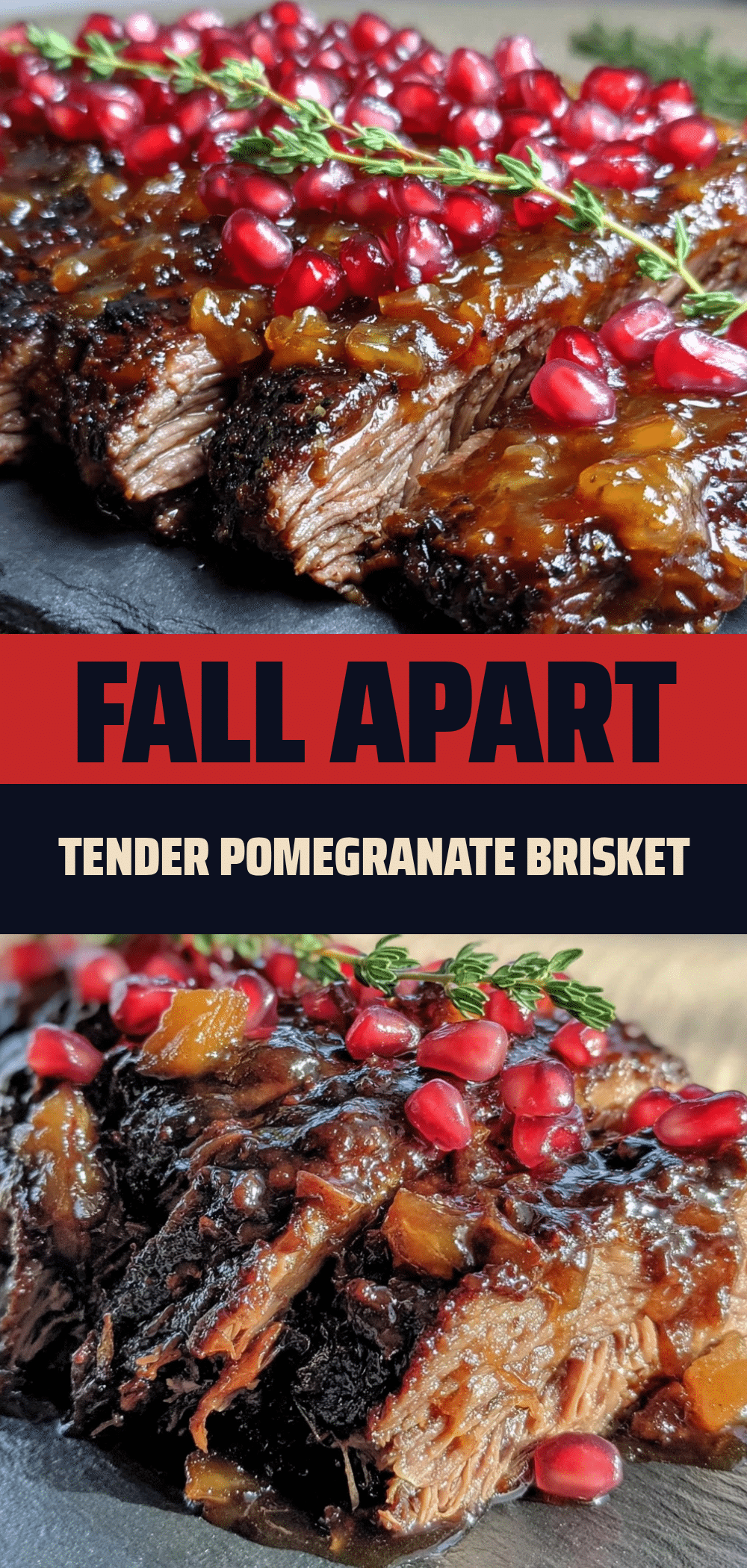
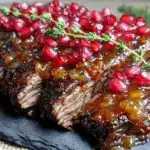
Rosh Hashanah Pomegranate Glazed Brisket
- Total Time: 3 hours 30 minutes
- Yield: 8 servings 1x
Description
A foolproof, slow-cooked brisket with a sweet and tart pomegranate molasses glaze. This holiday centerpiece is tender, flavorful, and surprisingly easy to make, making it perfect for Rosh Hashanah or any special occasion.
Ingredients
- 3–4 pounds beef brisket (flat cut preferred)
- 2 large yellow onions, sliced thin
- 6 cloves garlic, minced
- 1 cup beef broth (low-sodium)
- 1/2 cup pomegranate molasses
- 1/2 cup packed brown sugar (dark preferred)
- 2 tablespoons apple cider vinegar
- 1 tablespoon Worcestershire sauce
- 1 teaspoon ground cumin
- 1 teaspoon smoked paprika
- Salt and black pepper to taste
- 2 large carrots, chopped (optional)
- 1/2 teaspoon red pepper flakes (optional)
- Fresh parsley for garnish (optional)
Instructions
- Preheat oven to 325°F (165°C).
- Pat the brisket dry with paper towels and season generously with salt and pepper.
- Heat oil in a large Dutch oven or heavy-bottomed pot over medium-high heat. Sear the brisket for 3-4 minutes per side until browned. Remove meat and set aside.
- Reduce heat to medium. Add sliced onions to the pot and cook for 3-4 minutes until softened. Add minced garlic and cook for 1 minute until fragrant.
- Return the brisket to the pot, fat-side up.
- Pour in beef broth, pomegranate molasses, brown sugar, apple cider vinegar, Worcestershire sauce, cumin, and smoked paprika. Stir to combine, scraping up browned bits from the bottom.
- Cover the pot with a tight-fitting lid and place in the oven. Cook for 2 to 3 hours until the meat is fork-tender.
- Remove the pot from the oven. Transfer brisket to a cutting board and tent with foil.
- Pour the cooking liquid into a saucepan. Skim off excess fat. Bring to a boil and simmer for 5-10 minutes until reduced to a thick glaze.
- Slice the brisket against the grain into thin slices.
- Arrange on a platter, drizzle with the glaze, and garnish with fresh parsley if desired.
Notes
[‘Slice the brisket against the grain to ensure tenderness.’, ‘The recipe tastes even better the next day as flavors meld.’, ‘If pomegranate molasses is unavailable, substitute with 1/2 cup pomegranate juice, 1 tablespoon lemon juice, and 1 tablespoon honey, simmered until thickened.’, ‘For a spicy kick, add red pepper flakes or cayenne pepper.’, ‘Can be made in a slow cooker (low for 8 hours) or Instant Pot (60 minutes pressure cook).’]
- Prep Time: 15 minutes
- Cook Time: 2 hours 30 minutes
- Category: Main Course
- Cuisine: Jewish
Nutrition
- Serving Size: 1 slice of brisket w
- Calories: 450
- Sugar: 16
- Sodium: 650
- Fat: 22
- Saturated Fat: 8
- Carbohydrates: 18
- Fiber: 1
- Protein: 35
Keywords: Rosh Hashanah, brisket, pomegranate molasses, holiday recipe, slow cooker brisket, Jewish holiday food, easy brisket, pomegranate glazed meat