There is a specific kind of silence that falls over a kitchen after a 25-hour fast. It’s not just quiet; it’s heavy. The air feels thick, your stomach has stopped growling and moved on to a low-grade hum of emptiness, and your brain is operating on pure willpower and the promise of sugar. I remember my first Yom Kippur break fast as a young adult. I was exhausted, spiritually drained, and physically shaky. I walked into the communal hall, eyes glued to the buffet table, and there it was: a slice of dry, dense, overly sweet cake that tasted like cardboard and regret. It wasn’t nourishment. It was just… cake. I took one bite, felt a wave of disappointment, and went home to eat a bowl of cereal instead.
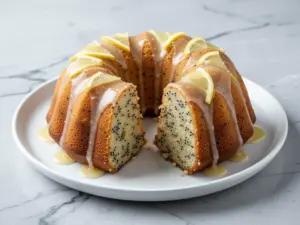
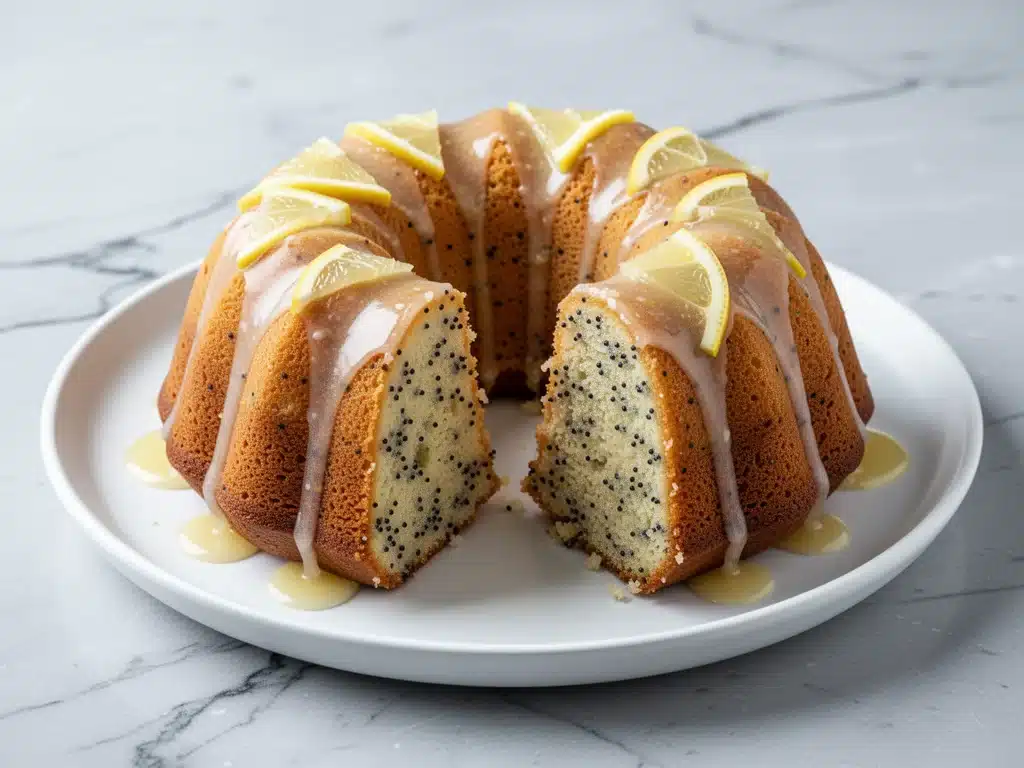
That was the moment I decided that if I was going to break a fast, the dessert had to be something special. Something bright. Something that didn’t just sit in your stomach like a brick, but actually woke you up. That decision led me to spend the next three years perfecting what has become the centerpiece of our family’s break fast: a Lemon Poppy Seed Bundt Cake with a Citrus Glaze that is light, airy, and intensely flavorful.
This isn’t your average holiday dessert. While I love a rich pumpkin pie cheesecake in the fall, nothing cuts through the heaviness of a long fast quite like the sharp, clean tang of fresh lemon. This cake has become our tradition. Every year, without fail, this lemon poppy seed bundt cake is the first thing people reach for after the prayers are done. It’s tender, moist, and that citrus glaze? It’s the kind of sweet-tart finish that makes you close your eyes and sigh. I’ve made this cake dozens of times now, tweaking the ratios of zest to juice, adjusting the baking time based on my oven’s quirks, and testing different bundt pans to ensure the shape holds up. The result is a cake that isn’t just good—it’s the best way to welcome food back into your body.
If you’ve ever struggled to find a dessert that feels celebratory but not overwhelming after a fast, you need to make this. It’s forgiving, it looks stunning on the table, and it impresses everyone, from the pickiest eaters to the most critical foodies. Let’s talk about why this cake works so well, what you’ll need, and how to get that perfect golden dome every single time.
Why You’ll Love This Yom Kippur Break Fast Cake
I know what you’re thinking. “Another lemon cake?” But hear me out. This recipe is different because it’s designed with a specific purpose in mind: post-fast comfort without the crash. Here’s why this lemon poppy seed bundt cake has earned a permanent spot in our rotation, right alongside our jalapeno cornbread muffins for savory cravings.
It’s Light, Not Heavy — After fasting, your digestive system isn’t ready for a dense chocolate fudge cake or a heavy fruitcake. This bundt cake uses a combination of oil and buttermilk to create a crumb that is tender and moist, but not heavy. It feels like a treat, not a burden. I’ve had guests tell me they could eat the whole thing, but they only take two slices because it’s so satisfying. It hits that sweet spot between a snack and a dessert.
The Flavor Profile Wakes You Up — Let’s be honest: when you’ve been without food for 25 hours, bland sweetness can actually taste a little cloying. The acidity from the fresh lemon juice and zest cuts through that sugar. It brightens your palate. It makes you feel refreshed. I use both the zest and the juice of two large lemons. The zest provides the aromatic oils that smell incredible while it bakes, and the juice adds that sharp tang that balances the sweet glaze. It’s a flavor combination that feels alive.
It Looks Impressive (But Isn’t Hard) — There is something deeply satisfying about pulling a perfectly shaped bundt cake out of the pan. That intricate design? It looks like something you bought at a fancy bakery, but it’s actually just simple batter poured into a mold. I’ve served this at dinner parties where people assumed I ordered it from a patisserie. The citrus glaze adds a glossy, professional finish that makes it look festive and special. It’s perfect for sharing with a large group after services.
It’s Make-Ahead Friendly — This is crucial for the break fast. You don’t want to be baking when you’re starving. This cake actually tastes better the next day. The flavors meld together, and the glaze soaks in just a tiny bit more. I usually bake it the night before, wrap it tightly, and let it sit at room temperature. Then, when the break fast comes, it’s ready to go. No stress, no last-minute panic. Just slice and serve.
It’s a Crowd-Pleaser — I’ve made this for families with young kids, for elderly relatives, and for friends with various dietary preferences. Everyone loves it. The poppy seeds add a nice little crunch that contrasts with the soft cake. It’s familiar enough to be comforting, but special enough to feel like a celebration. Plus, it pairs beautifully with coffee or tea, which most people are drinking anyway during the break fast.
Ingredients You’ll Need
One of the best things about this recipe is how simple the ingredient list is. You probably have most of this in your pantry already. I’m particular about a few things here, mostly because after testing this recipe so many times, I’ve learned that small details make a big difference in the final texture and flavor.
All-Purpose Flour (3 cups / 375g) — This is your base. Don’t try to swap in cake flour unless you know what you’re doing; all-purpose gives the right structure for a bundt cake. Make sure to spoon and level your flour, don’t scoop it directly from the bag, or you’ll end up with a dry cake. I use Gold Medal or King Arthur, but any standard brand works.
Baking Powder & Baking Soda (1 tablespoon baking powder, 1 teaspoon baking soda) — You need both leavening agents here. The baking powder gives the initial rise, while the baking soda reacts with the buttermilk to tenderize the crumb and add lift. Don’t skip either one, or your cake won’t rise properly.
Salt (1 teaspoon) — Salt is non-negotiable. It enhances the lemon flavor. Without it, the cake will taste flat. Use fine sea salt or table salt.
Unsalted Butter (1 cup / 2 sticks / 226g) — Softened to room temperature. This adds richness and helps create that tender crumb. If you’re in a hurry, you can soften it in the microwave in 10-second bursts, but don’t melt it. You want it pliable, not liquid.
Granulated Sugar (1 ½ cups / 300g) — This provides sweetness and helps with the browning. I use regular white sugar. Some people try to use coconut sugar, but it changes the color and texture too much for this specific cake.
Eggs (4 large eggs) — Room temperature eggs are key. If your eggs are cold, they can cause the butter to seize up when you mix them in. Take them out of the fridge an hour before you start. They help bind everything together and add structure.
Vanilla Extract (2 teaspoons) — Just a touch to round out the flavors. Use pure vanilla extract, not imitation. It makes a subtle but noticeable difference.
Buttermilk (1 cup / 240ml) — This is the secret weapon. The acidity in buttermilk reacts with the baking soda and keeps the cake moist. If you don’t have buttermilk, make your own by adding 1 tablespoon of lemon juice or white vinegar to 1 cup of milk and letting it sit for 5 minutes. It works perfectly.
Fresh Lemons (2 large lemons) — You’ll need the zest of both and the juice of at least one (probably both, depending on size). Use organic lemons if you can, since you’re eating the zest. The zest is where all the flavor is. Grate it finely, avoiding the white pith, which is bitter.
Poppy Seeds (2 tablespoons) — These add the signature texture and a nutty flavor. You can find them in the spice aisle of most grocery stores. If you can’t find them, you can skip them, but I highly recommend keeping them. They’re traditional for a reason.
For the Citrus Glaze:
Confectioners’ Sugar (1 ½ cups / 180g) — Also known as powdered sugar. Sift this if it’s lumpy. You want a smooth glaze, not a gritty one.
Fresh Lemon Juice (3-4 tablespoons) — Adjust based on how thick you want the glaze. Start with 3 tablespoons and add more if needed.
Lemon Zest (1 teaspoon) — For garnish and extra flavor in the glaze.
Equipment Needed
You don’t need fancy gadgets for this. Here’s what I actually use, and what alternatives work if you don’t have the exact same tools.
9-Cup Bundt Pan — This is the most important piece of equipment. Make sure it’s a standard 9-cup capacity pan. I use a Nordic Ware classic bundt pan, and it’s been my trusty companion for years. The shape matters because it helps the cake bake evenly. If you have a different brand, that’s fine, just make sure it’s clean and in good condition.
Mixer — A stand mixer with a paddle attachment is easiest, but a hand mixer works perfectly fine. You need to cream the butter and sugar thoroughly, so electric mixing is better than doing it by hand. If you must mix by hand, be prepared to arm yourself.
Mixing Bowls — One large bowl for the dry ingredients, one medium for the wet. I like having separate bowls so I don’t have to wash in between steps.
Zester or Microplane — A microplane is ideal for getting fine lemon zest. A regular box grater works too, but you’ll get bigger shreds. Avoid the little handheld zester tools; they tend to get stuck and don’t give you enough zest.
Measuring Cups and Spoons — Standard stuff. I prefer metal measuring spoons for dry ingredients and glass or plastic cups for liquids. Accuracy matters in baking.
Cooling Rack — Essential for cooling the cake evenly. If you let it cool in the pan on the counter, the bottom might get soggy from trapped steam.
Spatula — A rubber spatula is great for scraping the bowl and folding in the last bits of flour. Silicone works too. Don’t use metal if you’re mixing in a non-stick bowl.
Sieve or Sifter — For sifting the confectioners’ sugar for the glaze. If you don’t have one, just press the sugar through a fine-mesh strainer with a spoon.
Pastry Brush — Optional, but nice for brushing on any extra lemon syrup if you want to keep it extra moist.
How to Make It: Step-by-Step
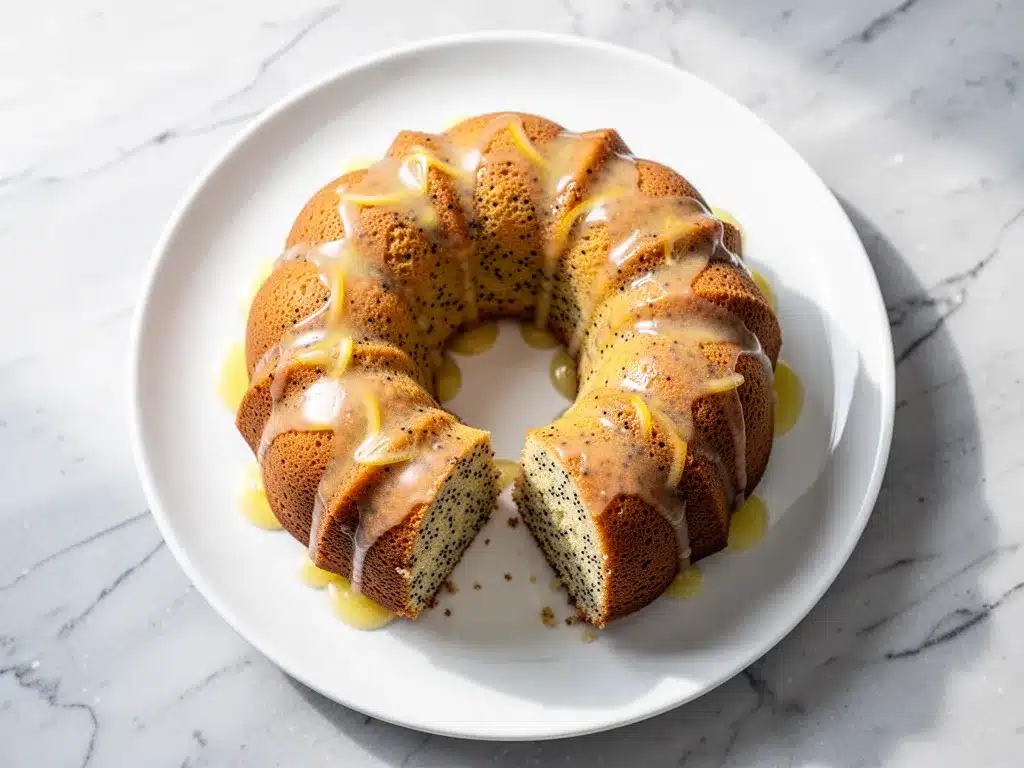
Alright, let’s make this! I’m walking you through exactly how I do it, including the little tricks I’ve picked up over the years. This process is straightforward, but attention to detail is what makes the difference between a good cake and a great one.
Step 1: Prep Your Pan and Oven (5 minutes)
Preheat your oven to 350°F (175°C). This is crucial. You want the oven to be fully hot before the cake goes in. While it heats up, prepare your bundt pan. This is the step most people rush, but it’s the most important for getting the cake out intact. Generously grease every nook and cranny of the pan with butter or non-stick cooking spray. I use butter because it sticks to the metal better than spray. Then, dust the pan with flour, tapping out the excess. Or, for extra insurance, I mix a tablespoon of flour with a teaspoon of poppy seeds and use that to dust the pan. The poppy seeds act like little anchors that help the cake release. Set the pan aside.
Step 2: Mix the Dry Ingredients (3 minutes)
In your large mixing bowl, whisk together the flour, baking powder, baking soda, and salt. Whisking these together ensures that the leavening agents are evenly distributed. If you don’t do this, you might get pockets of baking soda that taste bitter. Set this bowl aside. Now, in a small bowl or measuring cup, whisk together the poppy seeds with about a tablespoon of the flour mixture. This prevents the seeds from sinking to the bottom of the cake while it bakes. It’s a small trick, but it makes a huge difference in the final look.
Step 3: Cream the Butter and Sugar (3-4 minutes)
In the bowl of your stand mixer (or a large bowl if using a hand mixer), beat the softened butter and granulated sugar on medium-high speed. This is called creaming, and it’s where you incorporate air into the mixture. You’re looking for a light, fluffy texture that looks almost pale yellow. This usually takes about 3-4 minutes. Don’t rush this step. If you don’t cream it enough, your cake won’t have that tender, airy crumb. Scrape down the sides of the bowl with a spatula to make sure everything is incorporated.
Step 4: Add Eggs and Flavorings (2 minutes)
Reduce the mixer speed to medium. Add the eggs one at a time, beating well after each addition. This helps emulsify the mixture. If you add them all at once, the mixture might curdle. Once all eggs are in, add the vanilla extract and the lemon zest. Mix until just combined. The kitchen should already smell amazing at this point. If you’re using a hand mixer, this will take a little longer, but it’s worth the effort.
Step 5: Combine Wet and Dry Ingredients (3-4 minutes)
With the mixer on low speed, add the flour mixture in three parts, alternating with the buttermilk in two parts. Start and end with the flour. For example: 1/3 flour, 1/2 buttermilk, 1/3 flour, 1/2 buttermilk, remaining flour. Mix until just combined after each addition. Do not overmix! Overmixing develops gluten, which makes the cake tough. You want the batter to be smooth and homogeneous, but if you see a few small streaks of flour, that’s okay. Turn off the mixer as soon as the last bit of flour disappears.
Step 6: Fold in the Poppy Seeds (1 minute)
Pour the flour-coated poppy seeds into the batter. Use your rubber spatula to gently fold them in. Fold until they are evenly distributed. Be gentle here. You don’t want to deflate all that air you worked so hard to cream in. Just enough to spread them out.
Step 7: Bake the Cake (50-60 minutes)
Pour the batter into your prepared bundt pan. Smooth the top with your spatula. Place the pan in the center of the preheated oven. Bake for 50-60 minutes. The cake is done when a long skewer or toothpick inserted into the center comes out clean, or with just a few moist crumbs attached. It should not be wet batter. Also, the top should spring back when you lightly press it with your finger. If it’s still indented, it needs more time. Every oven is different, so start checking at 50 minutes. Do not open the oven door before 45 minutes, or the cake might collapse.
Step 8: Cool and Glaze (30 minutes + cooling time)
Once the cake is done, let it cool in the pan for 10 minutes. This is critical. If you try to invert it immediately, it will break. If you wait too long, it will stick. After 10 minutes, place a cooling rack over the top of the pan, and carefully flip them over. Lift the pan off. If the cake sticks, don’t panic. Gently wiggle the pan or use a butter knife to loosen the edges. Let the cake cool completely on the rack, about 1-2 hours.
While the cake cools, make the glaze. Whisk together the confectioners’ sugar, fresh lemon juice, and lemon zest in a small bowl. Start with 3 tablespoons of juice and add more if you need a thinner consistency. You want it to drizzle easily but still be thick enough to coat the back of a spoon. Once the cake is completely cool, drizzle the glaze over the top. Let it drip down the sides. If you have extra glaze, you can spread it gently on top. Let the glaze set for 15 minutes before slicing.
Expert Tips & Tricks
Here’s everything I’ve learned from making this cake for holidays, break fasts, and random Tuesday treats. These tips will save you from my mistakes.
Room Temperature Ingredients Are Non-Negotiable
I can’t stress this enough. Cold eggs and cold buttermilk can cause your butter to seize up, leading to a curdled batter. If your batter looks curdled, your cake might be dense. Take your eggs and buttermilk out of the fridge at least an hour before you start. If you forget, you can warm the eggs by running them under warm water for a few minutes, and warm the buttermilk in the microwave for 15 seconds. Just make sure they’re not hot.
Don’t Skip the Pan Prep
I’ve lost count of how many cakes I’ve ruined by being lazy with greasing the bundt pan. Use butter, not spray. Butter has solids that help create a barrier. Dust with flour or poppy seeds. If you’re using a dark metal pan, you might need to reduce the oven temperature by 25°F, as dark pans absorb more heat. Check your cake 5-10 minutes earlier than the recipe says.
Test for Doneness Correctly
The toothpick test is your friend, but don’t trust it blindly. Insert the skewer into the thickest part of the cake, avoiding any glaze or large poppy seed clusters. If it comes out with wet batter, bake for 5 more minutes and test again. If it comes out clean, it’s done. Remember, the cake will continue to cook slightly from residual heat after you take it out of the oven.
Glaze Consistency Matters
If your glaze is too thick, it will sit on top of the cake and crack. If it’s too thin, it will run off completely. Adjust the lemon juice gradually. Add it one teaspoon at a time until you reach the drizzling consistency. If you make too much glaze, store it in the fridge and re-warm it slightly before using. It will thicken as it cools.
Storage for Freshness
This cake stays moist for up to 4 days at room temperature if covered tightly with plastic wrap or foil. It actually gets better on day 2. If you need to keep it longer, freeze it. Wrap it tightly in plastic wrap and then in foil. It will last for up to 3 months. Thaw it overnight in the fridge, then bring to room temperature. Do not refrigerate the cake, as the cold will dry it out faster.
Variations & Substitutions
Once you’ve nailed the basic version, here’s how you can mix it up. I’ve tried all of these, and they all work beautifully.
Orange Poppy Seed Variation
Swap the lemons for oranges. Use the zest and juice of 2 large oranges. This creates a sweeter, more mellow flavor. It’s great if you’re making this for kids who are sensitive to tartness. The glaze will be slightly less tangy, so you might want to add a teaspoon of lemon juice to the glaze for balance.
Raspberry Lemon Twist
Fold 1 cup of fresh or frozen raspberries into the batter after adding the poppy seeds. Gently toss them in a little flour first so they don’t sink. The berries will burst during baking, creating beautiful purple swirls. This is a festive version that looks stunning. Note: This may add a few minutes to the baking time.
Gluten-Free Option
You can substitute the all-purpose flour with a 1-to-1 gluten-free baking flour blend. I’ve used Bob’s Red Mill and King Arthur’s blend, and both work well. Make sure the blend includes xanthan gum; if it doesn’t, add ½ teaspoon to the dry ingredients. The texture might be slightly denser, but it’s still delicious.
Dairy-Free Version
Replace the butter with a high-quality vegan butter stick (not tub margarine). Use coconut milk or almond milk instead of buttermilk, and add 1 tablespoon of lemon juice to the milk to create a buttermilk substitute. The glaze can be made with coconut cream instead of dairy, but the flavor will be slightly different. It’s still a great option for dairy-free guests.
Mini Bundt Cakes
This recipe makes about 6-8 mini bundt cakes. Reduce the baking time to 25-30 minutes. These are perfect for individual servings or gifts. Wrap them in cellophane with a ribbon for a thoughtful present.
Herb Infusion
For a sophisticated twist, add 1 tablespoon of fresh chopped thyme or basil to the batter. It sounds weird, but the herbs pair surprisingly well with lemon. It’s a nice touch for a brunch or afternoon tea.
Serving & Storage
How to Serve:
I usually serve this cake at room temperature. It’s the perfect texture—soft, moist, and not too sweet. Slice it with a sharp knife. If the knife sticks, dip it in hot water and wipe it dry between cuts. This ensures clean, pretty slices. I serve it with a cup of black coffee or tea. The bitterness of the coffee balances the sweetness of the cake perfectly.
Pairing Suggestions:
This cake pairs well with light fruits like berries or sliced apples. I often put a few raspberries on the plate next to the slice for color. It also goes great with a dollop of lightly sweetened whipped cream if you want to make it extra indulgent. For a break fast setting, it’s often served alongside savory dishes like homemade bagels or cinnamon swirl pancakes, creating a nice balance of sweet and savory.
Storage Instructions:
Refrigerator: Not recommended. The cold dries out the cake. If you must refrigerate it (if it’s very hot outside), cover it tightly and bring to room temperature before serving.
Freezer: Wrap the cooled cake tightly in plastic wrap, then in aluminum foil. It will keep for up to 3 months. Thaw overnight in the fridge, then let it come to room temperature. You can glaze it before or after freezing, but glazing before freezing is easier.
Leftovers: If you have leftovers, store them in an airtight container at room temperature for up to 4 days. Reheat individual slices in the microwave for 10 seconds if you prefer them warm.
Nutrition Information
I’m not a nutritionist, but here’s the breakdown if you’re tracking. Keep in mind that this is a dessert, so it’s higher in sugar and calories. It’s meant to be enjoyed in moderation, especially after a fast when your body is craving energy.
Per Serving (based on 12 slices):
- Calories: 380
- Protein: 5g
- Carbs: 52g
- Fiber: 1g
- Sugar: 38g
- Fat: 16g
- Saturated Fat: 8g
- Cholesterol: 65mg
- Sodium: 280mg
What’s Good: The poppy seeds provide a small amount of calcium and magnesium. The lemon adds a touch of Vitamin C. It’s a comforting treat that feels special.
What to Know: It’s high in sugar due to the glaze and cake batter. If you’re watching your sugar intake, consider reducing the sugar in the cake by ¼ cup and skipping the glaze, or using a lighter glaze with stevia. But honestly, for a break fast, I say enjoy it. Your body needs the energy.
Final Thoughts
So that’s my go-to Yom Kippur break fast cake! I’ve probably talked your ear off at this point, but when you make a recipe this often, you have a lot to say about it. This lemon poppy seed bundt cake has saved my break fasts more times than I can count. It’s my answer to “what do I bring to the party?” when I want to contribute something meaningful and delicious. My family loves it, my friends ask for the recipe, and I’m proud to share it with you.
Make it yours! Try different variations, swap in your favorite citrus, or adjust the glaze to your taste. The best recipes are the ones you adapt to your family’s tastes. If you make this, drop a comment and let me know what you think! I love hearing how recipes turn out in your kitchen. And if something doesn’t work, tell me that too—I’m here to help troubleshoot.
Happy baking! And I hope your break fast is filled with joy, community, and delicious food.
Frequently Asked Questions
Can I use bottled lemon juice?
You can, but fresh lemon juice is so much better. Bottled juice often has a metallic or preserved taste that doesn’t work well in a delicate cake like this. The fresh zest and juice provide a bright, clean flavor that bottled just can’t match. If you’re in a true emergency, you can use bottled juice, but I recommend using at least fresh zest.
Why did my cake stick to the pan?
This usually happens if the pan wasn’t greased thoroughly enough or if the cake was removed too early. Make sure to grease every crevice of the bundt pan with butter, not just spray. Also, let the cake cool for the full 10 minutes before inverting. If it’s still hot, it’s too fragile. If it sticks, gently wiggle the pan or use a butter knife to loosen the edges.
Can I make this cake ahead of time?
Absolutely! This cake is actually better the next day. Bake it the night before, let it cool completely, wrap it tightly in plastic wrap, and store it at room temperature. The glaze can be added the night before or the morning of. If you add the glaze the night before, make sure it’s fully set and covered loosely to prevent it from drying out.
Can I freeze this cake?
Yes, you can freeze it. Wrap the cooled cake tightly in plastic wrap and then in foil. It will keep for up to 3 months. Thaw it overnight in the fridge, then bring to room temperature. You can freeze it with or without the glaze. If you freeze it with the glaze, it might look a bit dull when thawed, but the taste will still be great.
What if I don’t have a bundt pan?
You can bake this batter in a standard 9-inch round cake pan or two 8-inch round pans. Adjust the baking time accordingly—round pans usually take 30-40 minutes. The cake won’t have the same dramatic shape, but the flavor will be exactly the same. You can still drizzle the glaze on top.
Is this cake suitable for a gluten-free diet?
Not as written, but you can easily make it gluten-free. Substitute the all-purpose flour with a 1-to-1 gluten-free baking flour blend. Ensure the blend includes xanthan gum. The texture might be slightly denser, but it will still be moist and delicious. Just follow the same baking instructions.
Can I reduce the sugar?
You can reduce the sugar in the cake batter by ¼ cup without affecting the texture too much. However, reducing the sugar in the glaze will make it thinner and less sweet. If you’re watching your sugar intake, consider using a sugar substitute in the glaze or skipping the glaze altogether. The cake itself is moist enough to stand on its own.
Pin This Recipe!
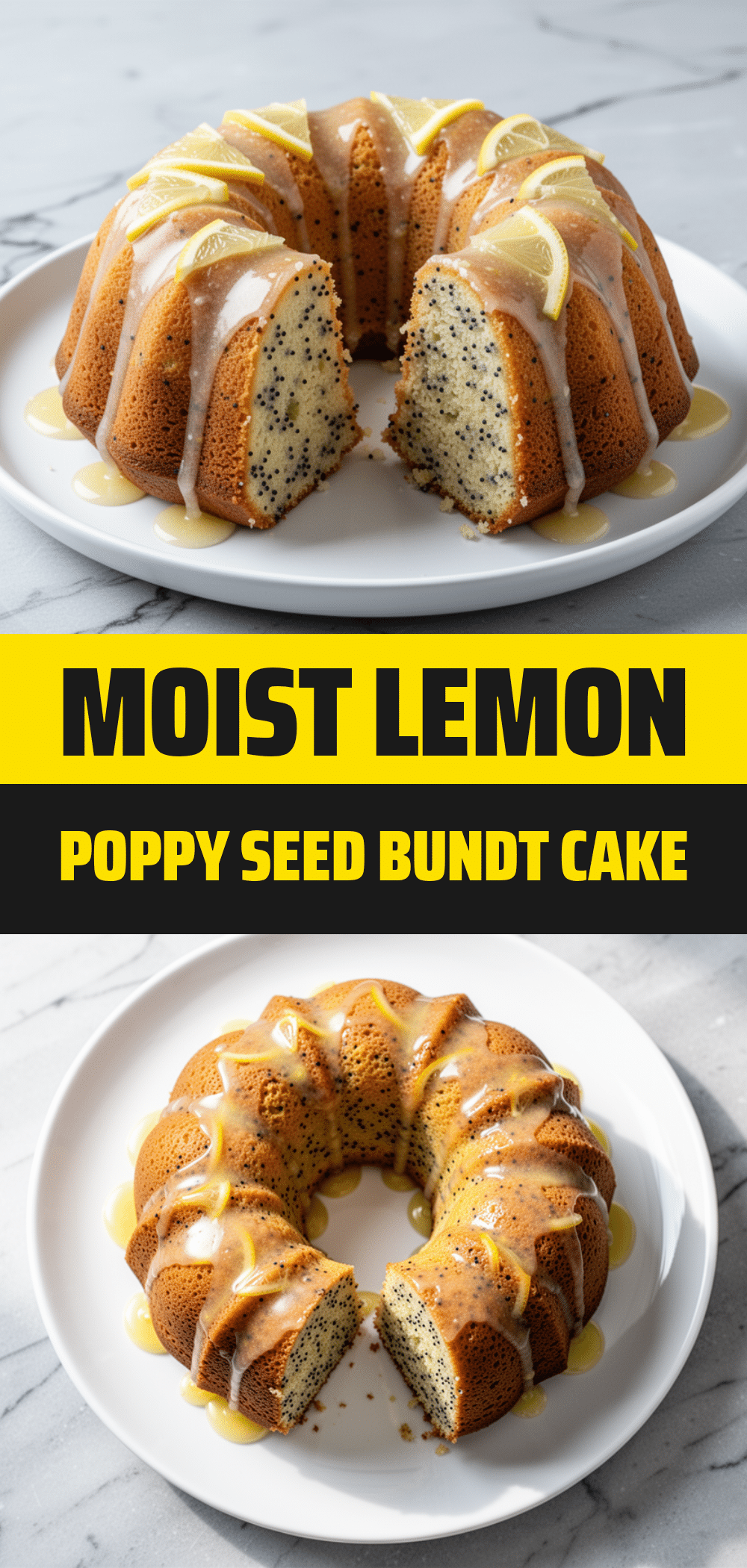
Yom Kippur Break Fast Cake: Best Lemon Poppy Seed Bundt
- Total Time: 1 hour 15 minutes
- Yield: 12 servings 1x
Description
A light, airy, and intensely flavorful Lemon Poppy Seed Bundt Cake with a Citrus Glaze, specifically designed to be a refreshing and celebratory dessert after a long fast.
Ingredients
- 3 cups (375g) All-Purpose Flour
- 1 tablespoon Baking Powder
- 1 teaspoon Baking Soda
- 1 teaspoon Salt
- 1 cup (2 sticks / 226g) Unsalted Butter, softened
- 1 ½ cups (300g) Granulated Sugar
- 4 large Eggs, room temperature
- 2 teaspoons Vanilla Extract
- 1 cup (240ml) Buttermilk
- Zest of 2 large Lemons
- Juice of 1–2 large Lemons
- 2 tablespoons Poppy Seeds
- 1 ½ cups (180g) Confectioners’ Sugar (for glaze)
- 3–4 tablespoons Fresh Lemon Juice (for glaze)
- 1 teaspoon Lemon Zest (for glaze)
Instructions
- Preheat oven to 350°F (175°C). Generously grease a 9-cup Bundt pan with butter and dust with flour or a flour/poppy seed mixture to prevent sticking.
- In a large bowl, whisk together flour, baking powder, baking soda, and salt. In a small bowl, whisk poppy seeds with 1 tablespoon of the flour mixture to prevent sinking.
- In a stand mixer with a paddle attachment, cream softened butter and granulated sugar on medium-high speed for 3-4 minutes until light and fluffy.
- Reduce speed to medium. Add eggs one at a time, beating well after each addition. Mix in vanilla extract and lemon zest until combined.
- With mixer on low, add the flour mixture in three parts, alternating with buttermilk in two parts, starting and ending with flour. Mix until just combined; do not overmix.
- Gently fold in the flour-coated poppy seeds using a rubber spatula.
- Pour batter into prepared pan and bake for 50-60 minutes, or until a skewer inserted in the center comes out clean.
- Cool in the pan for 10 minutes, then invert onto a cooling rack to cool completely (1-2 hours).
- Whisk confectioners’ sugar, 3-4 tablespoons lemon juice, and lemon zest to make the glaze. Drizzle over the completely cooled cake and let set for 15 minutes before slicing.
Notes
Room temperature ingredients are crucial to prevent curdling. Do not overmix the batter to ensure a tender crumb. The cake tastes better the next day as flavors meld. It can be stored at room temperature for up to 4 days or frozen for up to 3 months. Avoid refrigerating as it dries out the cake.
- Prep Time: 15 minutes
- Cook Time: 50-60 minutes
- Category: Dessert
- Cuisine: Jewish
Nutrition
- Serving Size: 1 slice
- Calories: 380
- Sugar: 38
- Sodium: 280
- Fat: 16
- Saturated Fat: 8
- Carbohydrates: 52
- Fiber: 1
- Protein: 5
Keywords: Yom Kippur break fast, lemon poppy seed bundt cake, citrus glaze, post-fast dessert, holiday baking, easy bundt cake