There is a specific kind of magic that happens when the air turns crisp and the farmers market stalls start overflowing with deep orange squash. Last November, I was walking through the outdoor market with my hands buried in my pockets, trying to decide between apples and pumpkins, when I spotted a bin of butternut squash that looked absolutely perfect. They were heavy, smooth, and smelled faintly of earth and sweetness. I bought three, not knowing that one of them would become the foundation of my go-to dinner for the next six months.
I had tried making squash soup before, but it was always either too thin like water or too thick like paste. It lacked that deep, roasted richness that makes you want to curl up on the couch with a blanket. Then I had a realization: the secret wasn’t in the vegetables, it was in the fat. Specifically, brown butter and crispy sage.
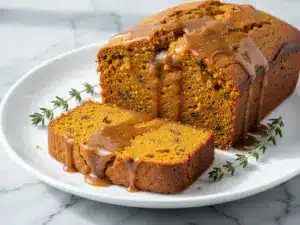
This cozy fall butternut squash soup with brown butter sage is my answer to those busy weeknights when I’m exhausted but refuse to eat cereal for dinner. It’s velvety, deeply savory, and smells like autumn in every bite. I’ve made this at least ten times since that market trip, tweaking the spice levels and roasting times until it was exactly right. It’s the kind of meal that feels like a hug, but comes together in under 45 minutes. If you love the idea of pumpkin bread with brown butter glaze, you’re going to fall in love with this soup. That same nutty, toasted flavor profile is the star here.
Why You’ll Love This Recipe
There are plenty of pumpkin soups out there, but this butternut squash version is different. It’s brighter, less sweet, and pairs perfectly with savory sides. Here’s why this recipe has earned a permanent spot in my weekly rotation:
It’s Actually Fast — I know, I know. Roasting vegetables usually takes an hour. But I’ve figured out the shortcut. Roasting the squash at a high temp for 25 minutes, then blending it, means you’re done before you know it. I make this after work on nights when I’m too tired to chop a dozen different veggies for a stew.
The Brown Butter Sage is a Game-Changer — Plain soup is good. Soup topped with nutty, browned butter and crispy sage leaves is restaurant-quality. It adds a layer of complexity that makes people ask what your secret ingredient is. (It’s just butter and sage, but don’t tell them that yet.)
It’s Naturally Vegan-Friendly — You can make this entirely plant-based by using vegetable broth and olive oil instead of butter, but honestly, the dairy version is just too good to skip. That said, it’s easy to tweak if you have dietary restrictions.
It Freezes Like a Dream — I make a big batch on Sundays. Half of it goes into the fridge for quick lunches, and the rest goes into the freezer. Three months later, I’m still grateful I did. It reheats perfectly, which is rare for pureed soups.
It Uses What’s In Season — This isn’t a year-round recipe. It’s a “make it while squash is cheap and sweet” recipe. Once spring hits, I’m swapping this for something lighter. But for now? I’m embracing the season.
Ingredients You’ll Need
Here’s the beautiful part: you don’t need a weird pantry full of obscure spices. This recipe relies on a few high-quality, seasonal ingredients and basic staples. I’m particular about the squash, though. Not all butternut squash is created equal.
Butternut Squash (2 medium, about 3 lbs / 1.4 kg) — Look for squash that feels heavy for its size. That means it’s dense and sweet, not dry and stringy. Avoid any with soft spots or cracks. A 3-pound squash is the perfect size for this pot—big enough to feed a family, small enough to handle easily. I always shop the farmers market for these when they first hit the stalls in October.
Yellow Onion (1 medium, diced / about 150g) — This adds the savory base. I use yellow because it caramelizes well and doesn’t have the sharp bite of white onions. If you have sweet onions, they work too, but yellow is more reliable.
Garlic (4 cloves, minced / about 2 tablespoons) — Don’t skimp. Garlic is the backbone of this soup. Fresh only. I’ve tried the jarred stuff, and it just doesn’t have that punch. Mince it finely so it melts into the soup.
Vegetable or Chicken Broth (4 cups / 960ml) — I use low-sodium broth so I can control the saltiness. Chicken broth adds a bit more body, but vegetable broth keeps it lighter. Either works. Just don’t use the kind in the carton that tastes like salt water.
Heavy Cream or Coconut Milk (½ cup / 120ml) — For richness. I prefer heavy cream for that luxurious mouthfeel. If you’re dairy-free, full-fat coconut milk works, but it will add a slight coconut flavor. I usually stick to cream unless I’m feeding someone who avoids dairy.
Butter (4 tablespoons / 60g) — Unsalted is best so you can control the salt. This is for the brown butter topping, which is the soul of the dish.
Fresh Sage Leaves (10-12 leaves) — Look for vibrant green leaves, not yellowing ones. Fresh sage is crucial. Dried sage doesn’t crisp up the same way and tastes dusty. If you can’t find fresh, you can sub dried, but you won’t get that crispy texture.
Spices — 1 teaspoon ground cumin, ½ teaspoon smoked paprika, and a pinch of nutmeg. The nutmeg is optional but highly recommended. It ties into the earthy sweetness of the squash. I keep a jar of it specifically for fall soups.
Salt and Black Pepper — To taste. I usually start with 1 teaspoon of kosher salt and adjust from there.
Optional Garnishes — A drizzle of good olive oil, toasted pumpkin seeds (pepitas), or even a dollop of sour cream. I love adding crispy bacon bits if I’m feeling indulgent.
Equipment Needed
You don’t need fancy gadgets for this. Here’s what I actually use in my kitchen:
Rimmed Baking Sheet — I use a half-sheet pan. It needs to be big enough to fit all the squash cubes in a single layer. If your squash is crowded, it steams instead of roasts, and you lose that caramelized flavor. I have a big one from Costco that’s seen better days, but it works perfectly.
Large Pot or Dutch Oven — A 6-quart pot is ideal. You need enough room to sauté the onions and then add the squash and broth without overflowing. My heavy-bottomed pot distributes heat evenly, which prevents burning.
Immersion Blender or Standard Blender — An immersion blender is my favorite because I can blend the soup right in the pot. Less cleanup! If you use a standard blender, let the soup cool slightly before blending in batches, and always vent the lid to avoid steam explosions. I learned this the hard way with a soup-covered ceiling.
Sharp Knife and Cutting Board — Cutting butternut squash can be tricky. Use a sharp knife. A dull one will slip. I usually cut the squash in half lengthwise, scoop out the seeds, and then slice the flesh off the skin. It’s safer than trying to cube the whole thing.
Small Skillet — For browning the butter and frying the sage. A small 8-inch skillet is perfect for this. It keeps the butter contained and makes it easy to swirl.
How to Make It: Step-by-Step
Alright, let’s get cooking! I’m walking you through exactly how I do it, including the little tricks I’ve picked up over the years.
Step 1: Prep and Roast the Squash (25-30 minutes)
Preheat your oven to 400°F (200°C). This high heat is key for caramelization. Peel your butternut squash. I use a sturdy vegetable peeler for the skin. Cut it in half lengthwise, scoop out the seeds and stringy bits (save the seeds if you want to roast them as a snack, but that’s a story for another day). Cut the flesh into 1-inch cubes. Try to keep them uniform so they cook evenly.
Toss the cubes with 1 tablespoon of olive oil, salt, and pepper on your baking sheet. Spread them out in a single layer. Do not crowd the pan! If they’re touching, they’ll steam. Roast for 25-30 minutes until tender and slightly browned at the edges. You should be able to pierce a cube easily with a fork. This roasting step develops the deep, sweet flavor that raw squash lacks.
Step 2: Sauté the Aromatics (5 minutes)
While the squash is roasting, heat 1 tablespoon of olive oil in your large pot over medium heat. Add the diced onion and a pinch of salt. Cook for 5-7 minutes until the onion is soft and translucent. Add the minced garlic, cumin, smoked paprika, and nutmeg. Cook for another minute, stirring constantly. The garlic should smell fragrant, not browned. If it starts to burn, lower the heat immediately.
Step 3: Simmer the Soup (15 minutes)
Add the roasted squash to the pot with the onions. Pour in the broth. Bring it to a boil, then reduce the heat to low. Cover and simmer for 10-15 minutes. This step helps the squash break down and absorb the flavors of the spices. It also makes it easier to blend later.
Step 4: Blend Until Silky (2 minutes)
Remove the pot from the heat. Use an immersion blender to puree the soup until smooth. If you’re using a standard blender, blend in batches. Start on low speed and gradually increase to high. Blend for 30-60 seconds until there are no lumps. If the soup is too thick, add a splash more broth. If it’s too thin, let it simmer uncovered for a few minutes to reduce.
Step 5: Make the Brown Butter Sage (3 minutes)
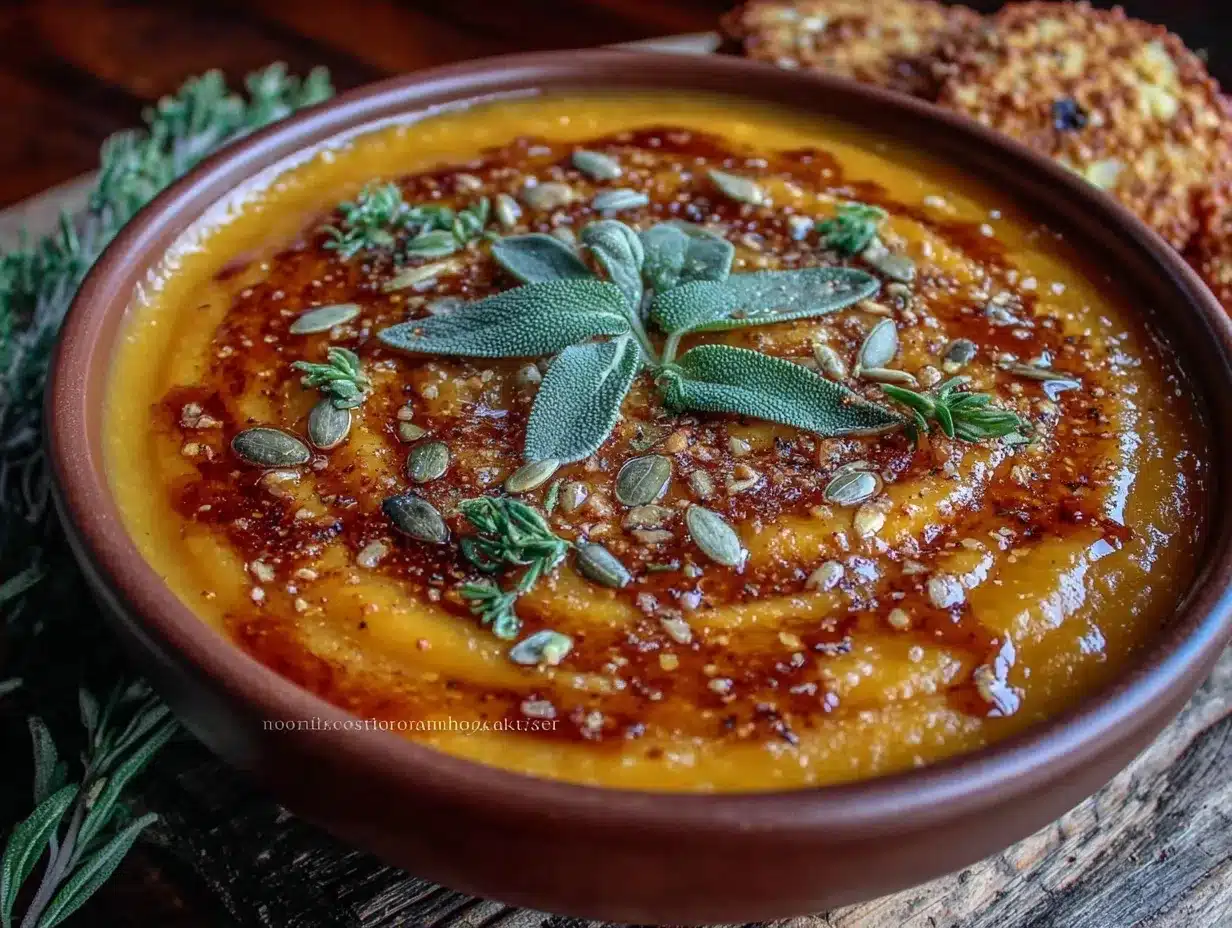
This is the moment of truth. In a small skillet, melt the 4 tablespoons of butter over medium heat. Swirl it occasionally. The butter will foam, then clear up, and finally turn a golden brown color. You’ll see brown specks at the bottom and smell a nutty aroma. This takes about 3-4 minutes. Do not walk away!
As soon as the butter is brown, toss in the sage leaves. They will sizzle and crisp up in about 30 seconds. Remove from heat immediately. The residual heat will finish crisping them. Pour the brown butter and crispy sage over the soup. The contrast of the hot, nutty butter and the cool, creamy soup is incredible.
Step 6: Finish and Serve
Stir in the heavy cream (or coconut milk). Taste and adjust salt and pepper. Serve immediately with crusty bread. I love serving this with soft garlic herb pull-apart rolls for a complete meal. The bread is perfect for dipping into the velvety soup.
Expert Tips & Tricks
Here’s everything I’ve learned from making this dozens of times. These tips will save you from my mistakes.
Roast, Don’t Steam — The most common mistake is crowding the baking sheet. If the squash cubes are touching, they release moisture and steam instead of roasting. You want those edges to caramelize. It adds a depth of flavor that boiling just can’t match.
Don’t Burn the Butter — Brown butter goes from perfect to burnt in seconds. Once it turns brown, it can become bitter. If you see it smoking, it’s too late. Pull it off the heat as soon as it smells nutty and looks like peanut butter.
Save the Seeds — When you scoop out the squash seeds, rinse them and toss them with a little salt and olive oil. Roast them at 350°F for 10-15 minutes. They make a great topping for the soup. Crunchy, salty, and delicious.
Spice It Up — If you like heat, add a pinch of red pepper flakes to the brown butter. It adds a nice kick that cuts through the richness. I usually add a tiny pinch, but you can go more if you’re brave.
Blend Thoroughly — For the smoothest soup, blend for a full minute. Any lumps will be noticeable in a pureed soup. If you want a rustic texture, leave some chunks, but most people prefer it silky.
Variations & Substitutions
Once you’ve nailed the basic version, here’s how you can mix it up. I’ve tried all of these.
Spicy Version — Add a diced jalapeño when sautéing the onions. It adds a subtle heat that pairs well with the sweetness of the squash. This is great if you’re serving it with cheesy jalapeno cornbread muffins.
Dairy-Free — Skip the butter and use olive oil for the sage. Use coconut milk instead of heavy cream. The soup will be slightly thinner but still delicious. The sage in olive oil still crisps up nicely.
Apple Add-In — Roast a diced apple along with the squash. It adds a nice tartness and complexity. I use Granny Smith apples for the best balance.
Curry Twist — Swap the cumin and paprika for 1 tablespoon of curry powder. It changes the flavor profile completely but keeps the cozy vibe.
Serving & Storage
How to Serve: I usually serve this straight from the pot, ladling it into bowls and drizzling the brown butter sage on top. It looks rustic and inviting. Pair it with a simple green salad and crusty bread for a complete meal.
Storage: Store leftovers in an airtight container in the fridge for up to 4 days. The soup will thicken as it cools, which is normal. Reheat gently on the stove with a splash of broth or milk to loosen it up.
Freezing: This soup freezes beautifully for up to 3 months. Let it cool completely, then freeze in portions. Thaw in the fridge overnight and reheat gently. Note: If you added cream, it may separate slightly when frozen. Whisk it well when reheating to bring it back together.
Nutrition Information
I’m not a nutritionist, but here’s the breakdown if you’re tracking. This is per serving (based on 6 servings).
- Calories: 220
- Protein: 4g
- Carbs: 28g
- Fiber: 5g
- Fat: 12g
- Sugar: 6g
It’s a decent source of Vitamin A and fiber from the squash. The fat comes from the butter and cream, so if you’re watching your intake, you can reduce the butter to 2 tablespoons and use half-and-half instead of cream.
Final Thoughts
This cozy fall butternut squash soup with brown butter sage is more than just a recipe. It’s a mood. It’s the smell of home, the warmth of the kitchen, and the comfort of a meal made with care. I make it when the days get shorter and the nights get colder. It’s my way of celebrating the season.
If you try this, I’d love to hear how it turns out. Drop a comment below and let me know if you added any of your own twists. And if you’re looking for more fall inspiration, check out my no-bake pumpkin pie for a sweet finish to your meal.
Happy cooking! May your kitchen always smell like autumn.
Frequently Asked Questions
Can I use canned butternut squash?
You can, but it’s not ideal. Canned squash is often mushy and lacks the roasted flavor that comes from fresh squash. If you’re in a pinch, you can use it, but I recommend roasting it briefly to bring back some texture and flavor. Fresh is always better.
Why did my brown butter turn bitter?
You probably left it on the heat too long. Brown butter goes from perfect to burnt very quickly. Once it smells nutty and turns golden brown, remove it from the heat immediately. The residual heat will continue to cook it.
Can I make this soup ahead of time?
Yes! In fact, it often tastes better the next day as the flavors meld. Make the soup (without the brown butter topping), store it in the fridge, and reheat it when you’re ready to eat. Make the brown butter sage fresh when you serve.
Is this soup gluten-free?
Yes, the soup itself is naturally gluten-free. Just make sure your broth is certified gluten-free if you’re sensitive. The toppings, like bread or croutons, would need to be gluten-free as well.
Can I use frozen sage?
It’s not recommended. Fresh sage crisps up in the butter. Frozen sage will be limp and soggy. If you can’t find fresh, you can use dried sage, but add it to the butter at the end and cook for just 10 seconds to warm it up. It won’t be as crispy, but it will still be flavorful.
Pin This Recipe!
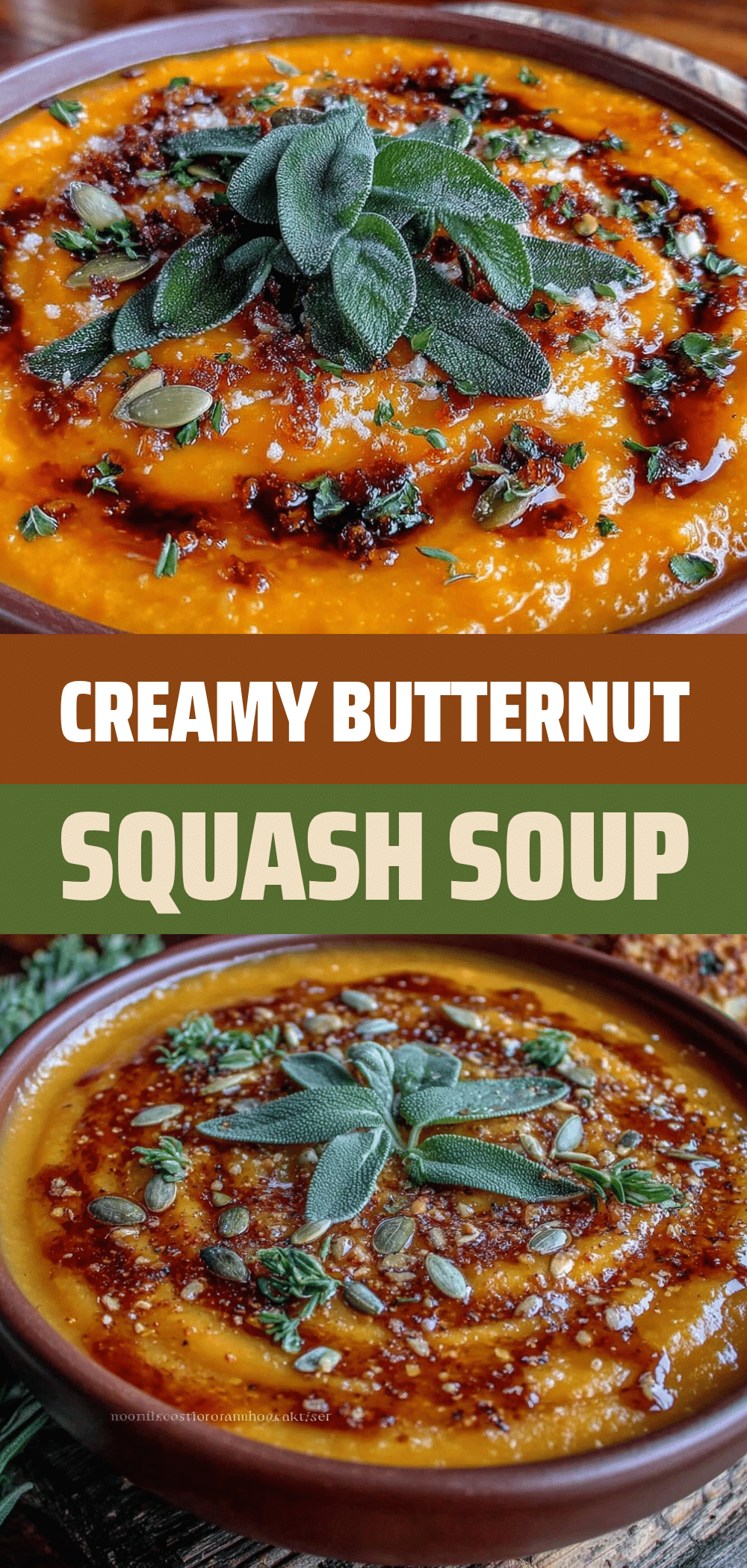

Cozy Fall Butternut Squash Soup with Brown Butter Sage
- Total Time: 45 minutes
- Yield: 6 servings 1x
Description
A velvety, deeply savory butternut squash soup that comes together in under 45 minutes. The secret to its restaurant-quality flavor is a topping of nutty brown butter and crispy sage leaves.
Ingredients
- 2 medium butternut squash (about 3 lbs / 1.4 kg), peeled and cut into 1-inch cubes
- 1 medium yellow onion, diced
- 4 cloves garlic, minced
- 4 cups vegetable or chicken broth (low-sodium)
- 1 tablespoon olive oil (for roasting)
- 1 tablespoon olive oil (for sautéing)
- 1 teaspoon ground cumin
- 1/2 teaspoon smoked paprika
- 1 pinch nutmeg (optional)
- 4 tablespoons unsalted butter
- 10–12 fresh sage leaves
- 1/2 cup heavy cream or full-fat coconut milk
- Salt and black pepper to taste
Instructions
- Preheat oven to 400°F (200°C). Toss squash cubes with 1 tablespoon olive oil, salt, and pepper. Spread in a single layer on a rimmed baking sheet and roast for 25-30 minutes until tender and browned.
- While squash roasts, heat 1 tablespoon olive oil in a large pot over medium heat. Sauté diced onion with a pinch of salt for 5-7 minutes until soft. Add garlic, cumin, paprika, and nutmeg; cook for 1 minute until fragrant.
- Add roasted squash to the pot with the onions. Pour in broth, bring to a boil, then reduce heat to low. Cover and simmer for 10-15 minutes.
- Remove pot from heat. Use an immersion blender to puree soup until smooth. Adjust consistency with more broth if needed.
- In a small skillet, melt 4 tablespoons butter over medium heat. Swirl occasionally until butter turns golden brown and smells nutty (3-4 minutes). Immediately add sage leaves and cook for 30 seconds until crisp. Remove from heat.
- Stir heavy cream or coconut milk into the soup. Season with salt and pepper to taste. Serve immediately, drizzling with the brown butter and crispy sage.
Notes
Do not crowd the baking sheet when roasting squash to ensure caramelization rather than steaming. Brown butter goes from perfect to burnt quickly, so watch it closely. The soup freezes well for up to 3 months, though cream may separate slightly upon thawing.
- Prep Time: 15 minutes
- Cook Time: 30 minutes
- Category: Main Course
- Cuisine: American
Nutrition
- Serving Size: 1 bowl
- Calories: 220
- Sugar: 6
- Sodium: 400
- Fat: 12
- Saturated Fat: 6
- Carbohydrates: 28
- Fiber: 5
- Protein: 4
Keywords: butternut squash soup, fall recipes, brown butter sage, vegan soup option, easy dinner, seasonal cooking, cozy soup