There was a Tuesday last November when I came home from work feeling like I’d been dragged through a hedge backward. My shoulders were up by my ears, my brain was foggy, and the last thing I wanted to do was stand over a hot stove chopping vegetables for forty-five minutes. I just wanted to feel warm. I wanted to feel fed. I wanted to feel like I’d done something gentle for myself.
So I did what I always do when I’m too tired to think: I threw everything into the slow cooker. I didn’t measure anything precisely. I just grabbed what looked good at the store—thick-cut beef stew meat, some gnarly carrots, a few bruised potatoes, and a handful of pearl barley that I’d been meaning to use for months. I set it on low, went to take a bath, and came back to a kitchen that smelled like a cozy blanket.
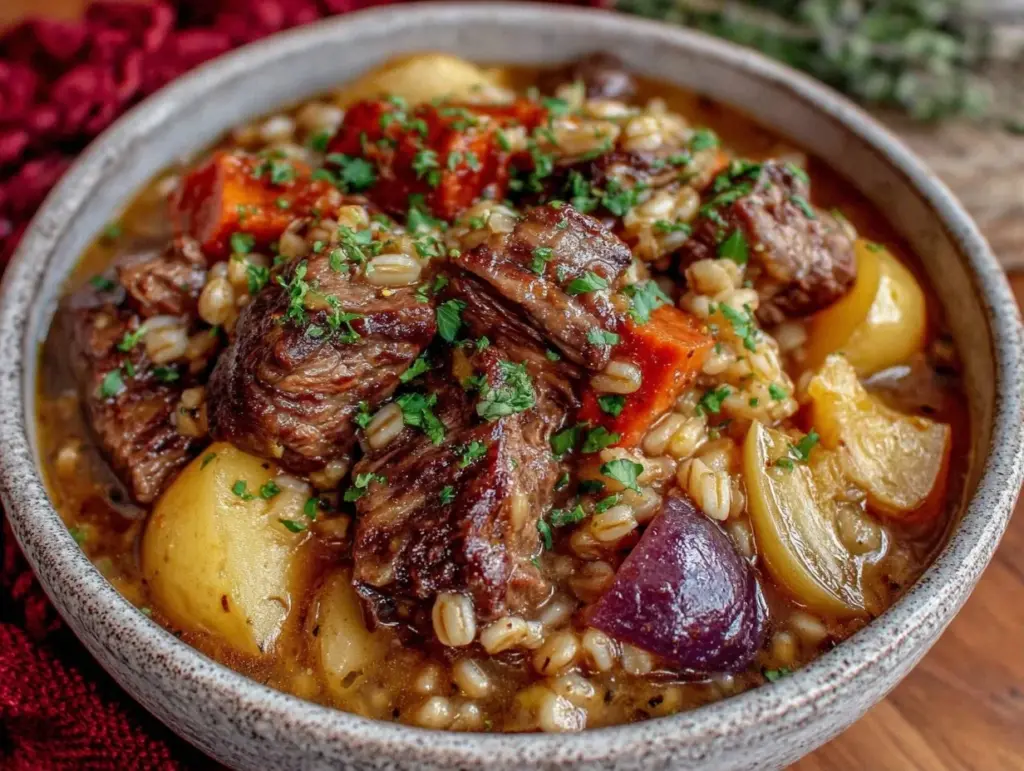
This fall slow cooker beef and barley stew isn’t just dinner. It’s a pause button. It’s the one to make when you need to take care of yourself because it requires zero attention once the lid is on. The beef gets so tender it falls apart with a fork. The barley soaks up all that rich, savory broth and turns into something creamy and comforting. The root vegetables caramelize slightly in their own juices. It’s simple. It’s nourishing. And honestly? It’s the best kind of self-care because it feeds your body without demanding anything back from you.
I’ve made this at least a dozen times since that tired Tuesday. Some weeks I add celery. Some weeks I use turnips instead of potatoes. But the core remains the same: a big pot of warmth that waits for you. If you’re feeling drained, this stew is your answer. It’s easier than ordering takeout, healthier than a restaurant bowl, and infinitely more soothing to make.
Why You’ll Love This Cozy Beef and Barley Stew
I know, I know—another stew recipe. But hear me out. This isn’t a recipe you rush through. This is a recipe you let happen to you. Here’s why this fall slow cooker beef and barley stew has become my go-to when life feels too loud:
- Zero Active Stress — Seriously. You chop, you toss, you press start. That’s it. While you’re showering, reading, or just staring at the wall, this stew is building flavor. I love that I can decompress while dinner cooks itself.
- Root Vegetable Comfort — There’s something deeply grounding about eating carrots, parsnips, and potatoes. They taste like autumn. They taste like earth. They make you feel held.
- Barley Adds Creaminess — Unlike rice or pasta, barley doesn’t get mushy. It gets chewy and tender, and it thickens the broth naturally. You don’t need heavy cream or flour to make this feel rich. It’s naturally hearty.
- Perfect Leftovers (The Next Day) — This stew actually tastes better the next day. The flavors meld together overnight. I often make a small pot just for myself on Sunday, and I eat it for lunch all week. It’s my little act of kindness to future-me.
- Wallet-Friendly — Beef stew meat and root vegetables are cheap, especially in fall. You can feed a crowd for very little money. It’s budget-friendly self-care.
This stew is my answer to “I’m too tired to cook but I don’t want to eat junk.” It’s gentle on the body and the soul. And if you need a side to go with it, these soft garlic knots with parmesan are perfect for dipping, but honestly? Just a slice of crusty bread is all you need.
Ingredients You’ll Need for This Comforting Stew
One of the best things about this fall slow cooker beef and barley stew is that you probably have most of this already. It’s pantry-friendly, seasonal, and forgiving. Here’s what I use, and why each part matters.
For the Base
Beef stew meat (2 pounds / 900g) — Look for chuck roast cut into cubes. Chuck has the right amount of fat to stay moist during long cooking. Avoid lean cuts like round—they’ll dry out. I buy pre-cut stew meat when I’m tired, but if you have time, buying a chuck roast and cubing it yourself is worth it. It’s cheaper and you control the size.
Beef broth (4 cups / 960ml) — Use low-sodium so you can control the saltiness. I like a rich, dark broth. If you can find bone broth, even better—it adds body. Vegetable broth works if you’re swapping the meat, but the flavor will be lighter.
Tomato paste (2 tablespoons) — This adds depth and a hint of acidity. Don’t skip it. It’s the secret to making the stew taste “cooked” rather than just boiled. I squeeze it straight from the tube.
Worcestershire sauce (1 tablespoon) — A splash of umami. It’s subtle but essential. If you don’t have it, a dash of soy sauce works in a pinch.
The Root Vegetables
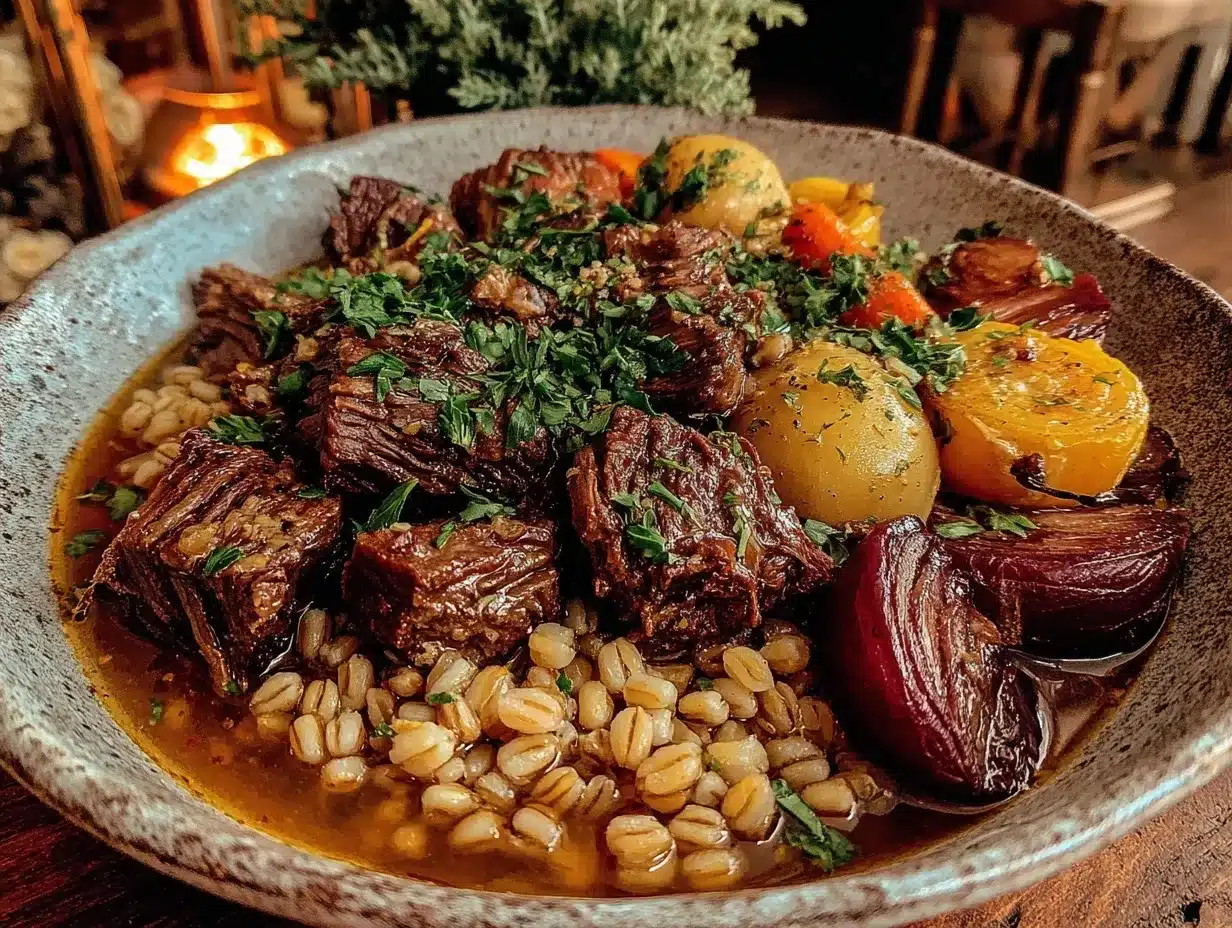
Carrots (3 large, chopped into 1-inch pieces) — Don’t peel them too much—just scrub them clean. The skins hold nutrients and add texture. I like leaving them slightly chunky so they don’t disintegrate.
Potatoes (2 medium Yukon Gold, cubed) — Yukon Golds are buttery and hold their shape well. Russets will fall apart and make the stew muddy. I’ve made this mistake before. Don’t do it. Use Yukon Golds or red potatoes.
Parsnips (2 medium, peeled and chopped) — Parsnips add a natural sweetness that balances the savory beef. If you hate them, swap for more carrots or add a turnip. I love them, though. They taste like earthy candy.
Onion (1 large yellow onion, diced) — Standard base flavor. Don’t rush the sauté if you choose to do that step (see tips below), but even raw in the slow cooker, it mellows out beautifully.
Garlic (4 cloves, minced) — Fresh only. Jarred garlic has a sharp, metallic taste that doesn’t mellow enough in a stew. Minced fresh garlic is non-negotiable for me.
For the Grain and Seasoning
Pearl barley (1 cup / 200g) — This is the star grain. Pearl barley is hulled and polished, so it cooks faster than hulled barley. Do not use quick-cooking barley unless you want mush. Regular pearl barley is perfect. It absorbs liquid and swells, making the stew thick and satisfying.
Dried thyme (1 teaspoon) — Thyme and beef are best friends. If you have fresh thyme, use two teaspoons. I keep dried thyme stocked year-round.
Dried rosemary (½ teaspoon) — Rosemary is strong. Don’t overdo it. A little goes a long way. It adds that forest-y, piney note that feels very autumnal.
Bay leaves (2) — Remove them before serving, obviously. They infuse a subtle background flavor that makes the stew taste complex.
Salt and black pepper — To taste. I usually add 1 teaspoon salt and ½ teaspoon pepper initially, then adjust at the end.
Optional Add-ins — I sometimes throw in a handful of frozen peas in the last 30 minutes for color and sweetness. Or some chopped celery for extra crunch. But this stew is great as is.
Equipment You’ll Need
You don’t need anything fancy. This is low-tech, high-comfort cooking.
Slow cooker (Crock-Pot) — I use a 6-quart model. It fits all the ingredients comfortably. If you have a 4-quart, you might need to halve the recipe or use a smaller pot. A 8-quart works too, but the stew might cook a bit faster since there’s more surface area. I prefer 6-quart for this volume.
Sharp knife and cutting board — For chopping veggies. A dull knife is dangerous and frustrating. I use my chef’s knife for everything.
Measuring cups and spoons — Standard stuff. I have a little set on my counter.
Wooden spoon or silicone spatula — For stirring. I like wooden because it feels nice in the hand.
Large bowl — For tossing the beef with flour (if you choose to do that step). Or just for holding chopped veggies.
Colander — If you rinse your veggies, though I usually just scrub carrots and potatoes.
How to Make It: Step-by-Step
Alright, let’s make this! I’m walking you through exactly how I do it. It’s simple, but there are a few tricks to get it right.
Step 1: Prep Your Vegetables (10 minutes)
Scrub your carrots and potatoes. You don’t need to peel them perfectly—just get the dirt off. Chop them into roughly 1-inch pieces. Same with the parsnips and onion. Mince the garlic. Try to keep the veggie sizes similar so they cook evenly. If you have a big knife and a steady hand, this goes fast. If not, take your time. This is your moment to breathe.
Step 2: Add Everything to the Slow Cooker
Toss the beef, carrots, potatoes, parsnips, onion, and garlic into the slow cooker. Add the tomato paste, Worcestershire sauce, thyme, rosemary, bay leaves, salt, and pepper. Pour in the beef broth. Stir gently to combine. You want everything submerged or at least well-coated in liquid. The barley goes in next.
Step 3: The Cooking Phase
Put the lid on. Set it to LOW for 7-8 hours or HIGH for 4-5 hours. I always choose LOW. It’s gentler. The beef gets more tender, and the flavors have more time to mingle. If you’re going to be home during the day, LOW is your friend. If you’re leaving for work, HIGH works, but LOW is better for texture.
Don’t peek! Every time you lift the lid, you lose heat and extend cooking time. Trust the process. Go read a book. Take a nap. Let the stew do its thing.
Step 4: Check and Adjust (Last 30 Minutes)
After 7 hours on LOW (or 4.5 on HIGH), check the beef. It should be fork-tender. The veggies should be soft but not disintegrating. The barley should be chewy and swollen. If the stew looks too thin, leave the lid off for the last 30 minutes to let it reduce. If it’s too thick, add a splash of broth or water.
Taste it. Add more salt if needed. This is important—slow cookers can mute flavors, so you might need a little extra seasoning at the end. Stir in any fresh herbs (like parsley) if you’re using them.
Step 5: Serve
Ladle into bowls. I like a big bowl with a crusty bread on the side. Eat slowly. Let it warm you up.
Total Time: About 8 hours (mostly hands-off). Active time: 15 minutes.
Expert Tips for the Best Stew
Here’s everything I’ve learned from making this dozens of times. These tips will save you from my mistakes.
Don’t Skip the Flour (Optional but Recommended) — If you want a thicker stew, toss the beef cubes in 2 tablespoons of flour before adding them to the pot. It helps thicken the broth naturally. I do this when I want a heartier texture. If you prefer a lighter broth, skip it.
Barley Absorbs Liquid — Barley is a sponge. It will soak up a lot of broth. If you’re meal-prepping and storing leftovers, add extra broth when reheating. The stew will be thick in the fridge. Thin it out with water or broth when you warm it up.
Sauté the Onions First (For Extra Flavor) — I usually just dump everything in raw. But if you have 5 extra minutes, sauté the onions and garlic in a pan with a little oil until fragrant, then add them to the slow cooker. It adds a depth of flavor that raw veggies don’t quite reach. It’s worth the extra dish.
Use Good Broth — The broth is the base of the flavor. If you’re using a cheap, salty, watery broth, the stew will taste flat. Invest in a decent carton of beef broth. Or make your own stock. It makes a huge difference.
Remove Bay Leaves — I can’t stress this enough. Bay leaves are tough and unpleasant to bite into. Remove them before serving. I usually fish them out with a spoon.
Variations and Substitutions
Once you’ve nailed the basic version, here’s how you can mix it up. I’ve tried all of these.
Pork Version — Swap beef for pork shoulder cubed. It’s slightly sweeter and very tender. I love pork with barley and root veggies. It feels very rustic.
Chicken Version — Use chicken thighs. They hold up better than breasts. Reduce cooking time to 4-5 hours on LOW. Chicken cooks faster, so check earlier.
Vegetarian Version — Skip the meat. Add extra veggies like mushrooms, celery, and more potatoes. Use vegetable broth. Add a tablespoon of soy sauce or miso paste for umami. It’s surprisingly hearty. I make this for my vegetarian friend, and she loves it.
Gluten-Free — Barley contains gluten. Swap it for brown rice or quinoa. Note: Rice and quinoa don’t thicken the broth the same way. You might need a cornstarch slurry at the end if you want it thicker. I use brown rice for a nuttier flavor.
Spicy Version — Add a teaspoon of red pepper flakes or a dash of hot sauce. It cuts through the richness nicely.
Serving and Storage
How to Serve
I usually serve this straight from the slow cooker into big ceramic bowls. It looks rustic and stays warm. Here are my favorite ways to enjoy it:
- Crusty Bread — Essential for dipping. I love this creamy au gratin potatoes as a side if I want to go all out, but bread is standard.
- Fresh Herbs — A sprinkle of fresh parsley or thyme on top adds color and freshness.
- Sharp Cheese — Some people like grated Parmesan or sharp cheddar on top. I’m not a cheese person for stew, but my husband loves it.
- Hot Sauce — If you like heat, a few dashes of your favorite hot sauce is great.
Storage Instructions
Refrigerator: Store in an airtight container for up to 4 days. The flavors get better each day. I often make a big batch and eat it for lunch all week.
Reheating: Reheat on the stove over low heat, adding a splash of broth or water if it’s too thick. Microwave works too, but stir in between intervals. The barley will have absorbed liquid, so it needs moisture to return to the right consistency.
Freezing: Yes, you can freeze this! Let it cool completely, then freeze in portions for up to 3 months. Thaw in the fridge overnight and reheat gently. The texture of the barley might change slightly, but it’s still good. I freeze individual portions for busy nights when I don’t want to think.
Nutrition Information
I’m not a nutritionist, but here’s the breakdown if you’re tracking. This is per serving (based on 6 servings).
- Calories: 380
- Protein: 25g
- Carbs: 45g
- Fiber: 6g
- Sugar: 6g
- Fat: 10g
- Sodium: 650mg (varies based on broth)
What’s Good: High protein from the beef, lots of fiber from the barley and veggies. It’s filling without being overly heavy. The root veggies provide vitamins and minerals.
What to Know: Sodium can be high if you use regular broth. Use low-sodium broth to control this. It’s naturally gluten-free if you swap the barley, but barley itself has gluten.
My Take: This is comfort food, but it’s also nutritious. It’s not a diet recipe, but it’s wholesome. I feel good eating it. It nourishes me.
Final Thoughts
So that’s my fall slow cooker beef and barley stew. I’ve talked your ear off, I know, but when you find a recipe that just works, you want to share it. This stew has saved me on so many tired nights. It’s my answer to “I’m exhausted but I need to eat.” It’s gentle, it’s nourishing, and it tastes like a hug.
Make it yours. Add extra veggies. Swap the grain. Adjust the spices. The best recipes are the ones you adapt to your life. If you make this, I’d love to hear how it turns out. Drop a comment and let me know what you think. And if something doesn’t work, tell me—I’m here to help.
Happy cooking. And I hope your kitchen smells half as good as mine does right now.
Frequently Asked Questions
Can I use hulled barley instead of pearl barley?
You can, but hulled barley takes much longer to cook and stays chewier. If you use hulled barley, you’ll need to add 1-2 hours to the cooking time, or cook it separately and add it at the end. Pearl barley is easier for slow cooking because it softens nicely. I recommend sticking with pearl barley for this recipe.
Why is my stew too watery?
Barley absorbs liquid, but if you used a lot of watery veggies or added too much broth, it might be thin. Leave the lid off for the last 30-60 minutes to let it reduce. Or, mix 1 tablespoon of cornstarch with 2 tablespoons of cold water and stir it in. Let it cook for another 15 minutes to thicken.
Can I make this in a Instant Pot?
Yes! Sauté the veggies first using the Sauté function. Then add everything else. Cook on High Pressure for 20 minutes, then natural release for 10 minutes. The barley might get softer than in the slow cooker, but it’s still good. Adjust liquid if needed.
How do I reheat leftovers without it getting dry?
Add a splash of broth or water when reheating. The barley will have soaked up the liquid. Stir it in gently over low heat. Microwave in 1-minute intervals, stirring between, adding liquid as needed. Stovetop is best for even heating.
Can I double this recipe?
Absolutely. Just make sure your slow cooker is big enough. A 6-quart might be tight for double. Use an 8-quart if possible. Cooking times stay the same, but check for doneness a bit earlier since the center of a big batch might heat slower.
What if I don’t like barley?
Swap it for brown rice, quinoa, or even farro. Brown rice takes longer to cook, so you might need to pre-cook it or add extra time. Quinoa cooks faster, so add it in the last hour. Farro is a great substitute with a similar chewy texture.
Is this stew good for meal prep?
Yes, it’s perfect for meal prep. It stores well in the fridge for 4 days and freezes for 3 months. I make a big batch on Sunday and eat it for lunch all week. Just remember to add extra liquid when reheating.
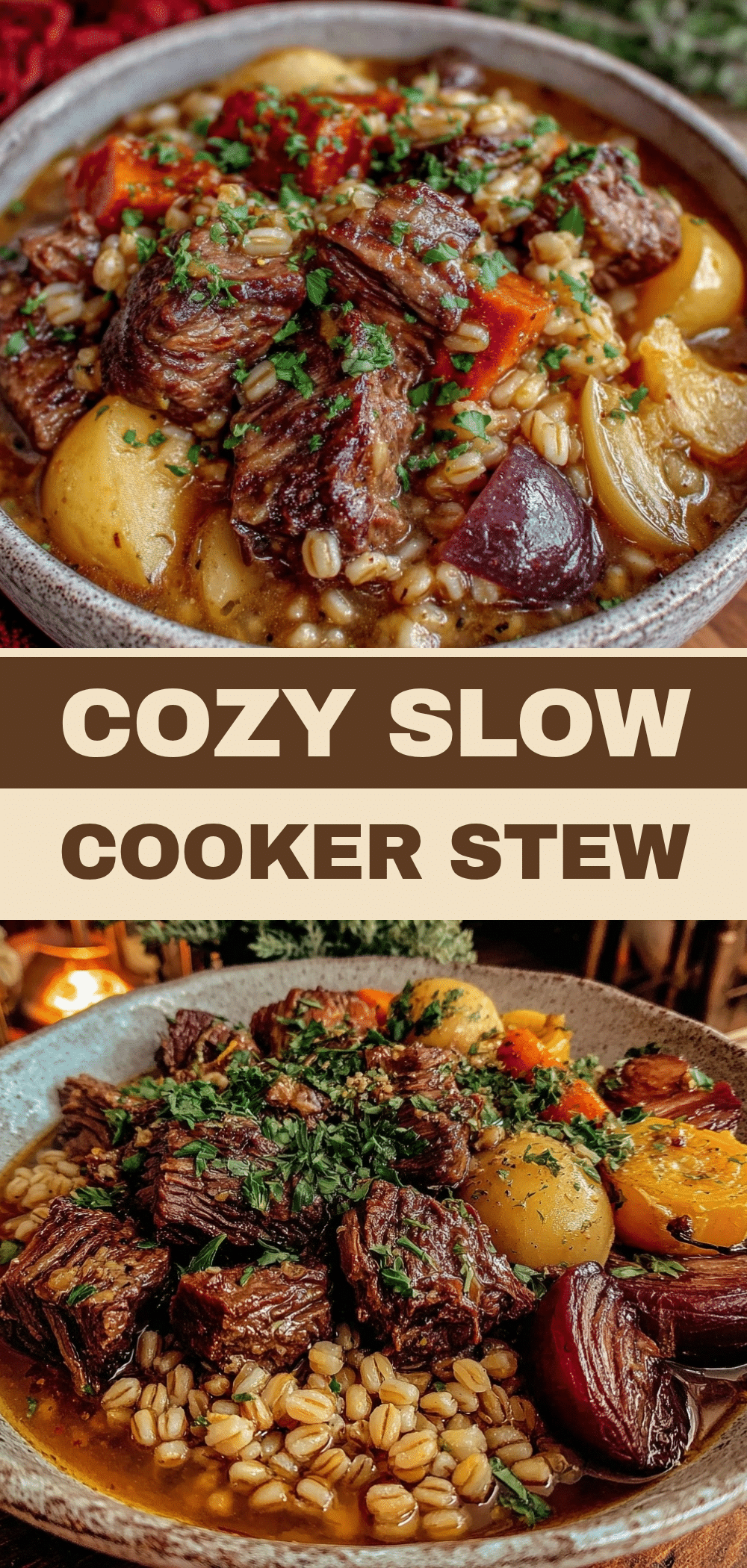
Pin This Recipe!
Fall Slow Cooker Beef and Barley Stew
- Total Time: 8 hours
- Yield: 6 servings 1x
Description
A comforting, self-care meal that requires zero attention once ingredients are added to the slow cooker. Tender beef, root vegetables, and pearl barley create a creamy, savory stew perfect for chilly evenings.
Ingredients
- 2 pounds beef stew meat (chuck roast cut into cubes)
- 4 cups beef broth (low-sodium recommended)
- 2 tablespoons tomato paste
- 1 tablespoon Worcestershire sauce
- 3 large carrots, chopped into 1-inch pieces
- 2 medium Yukon Gold potatoes, cubed
- 2 medium parsnips, peeled and chopped
- 1 large yellow onion, diced
- 4 cloves garlic, minced
- 1 cup pearl barley
- 1 teaspoon dried thyme
- 1/2 teaspoon dried rosemary
- 2 bay leaves
- 1 teaspoon salt (plus more to taste)
- 1/2 teaspoon black pepper (plus more to taste)
- Optional: 2 tablespoons flour for thickening beef
- Optional: Handful of frozen peas
- Optional: Chopped celery
Instructions
- Scrub and chop carrots, potatoes, parsnips, and onion into roughly 1-inch pieces. Mince the garlic.
- Toss the beef, carrots, potatoes, parsnips, onion, and garlic into the slow cooker.
- Add tomato paste, Worcestershire sauce, thyme, rosemary, bay leaves, salt, and pepper.
- Pour in the beef broth and stir gently to combine, ensuring ingredients are submerged or well-coated.
- Add the pearl barley to the pot.
- Cover and cook on LOW for 7-8 hours or HIGH for 4-5 hours. LOW is recommended for better texture.
- Avoid lifting the lid during cooking to maintain heat.
- After cooking, check that beef is fork-tender and barley is chewy. If stew is too thin, leave lid off for 30 minutes to reduce. If too thick, add splash of broth.
- Taste and adjust seasoning with additional salt or pepper if needed.
- Remove bay leaves before serving. Ladle into bowls and serve with crusty bread.
Notes
Barley absorbs a lot of liquid, so add extra broth or water when reheating leftovers. For a thicker stew, toss beef in flour before adding to the pot. Sautéing onions and garlic first adds extra depth of flavor. Remove bay leaves before serving. This stew tastes better the next day as flavors meld.
- Prep Time: 15 minutes
- Cook Time: 7-8 hours
- Category: Main Course
- Cuisine: American
Nutrition
- Serving Size: 1 bowl
- Calories: 380
- Sugar: 6
- Sodium: 650
- Fat: 10
- Saturated Fat: 3
- Carbohydrates: 45
- Fiber: 6
- Protein: 25
Keywords: slow cooker, beef stew, barley stew, fall recipes, comfort food, easy dinner, self-care meal, root vegetables, one pot meal